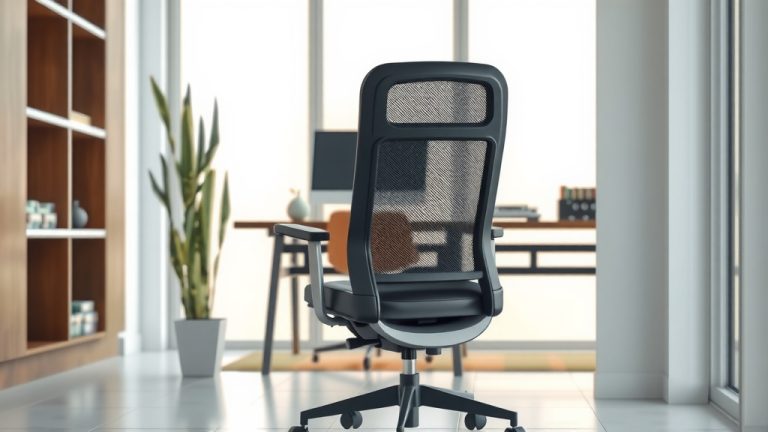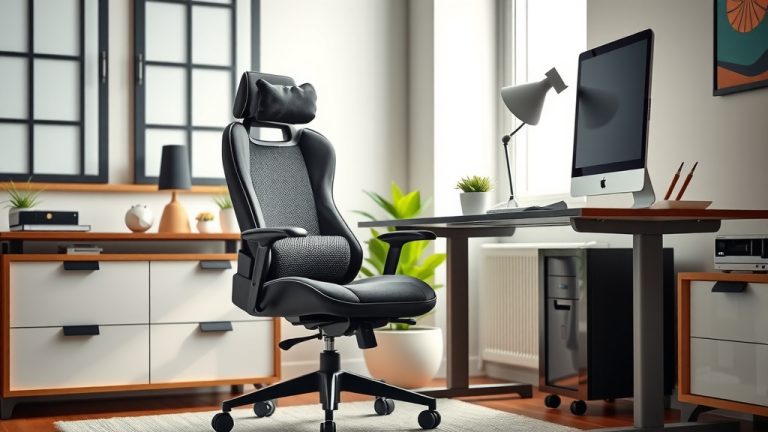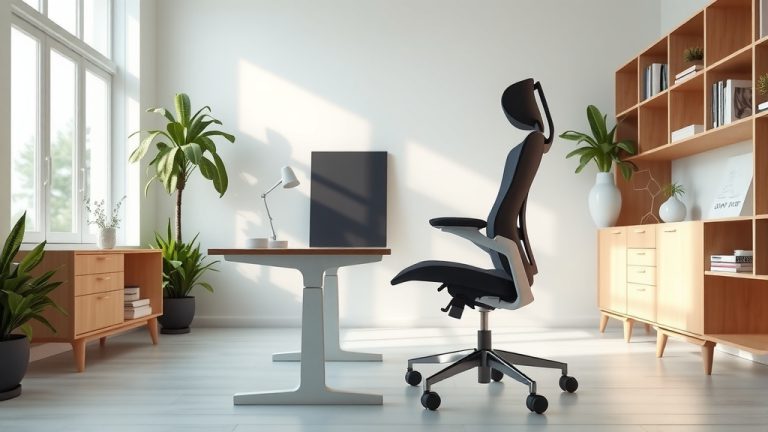
How to Lock Office Chair Recline?
To lock office chair recline, you typically pull the control lever straight out from under the seat. Most office chairs have a single lever that handles both height adjustment and locking the recline. Push it back in to unlock the recline feature.
You want your office chair to be comfortable, right? Finding that sweet spot for your back makes
Adjusting Your Office Chair Recline Lock
You’ve settled into your chair. It feels just right. Now, how do you keep it there? Locking your office chair’s recline prevents it from tilting back or forward, providing a stable backrest. This fixed position helps you maintain a consistent posture while working at your desk.
Most chairs use a simple lever mechanism. Pulling the lever out usually locks the recline. Pushing it back in unlocks it. It’s designed for quick and easy adjustment during your workday.
Locating the Recline Lock Lever
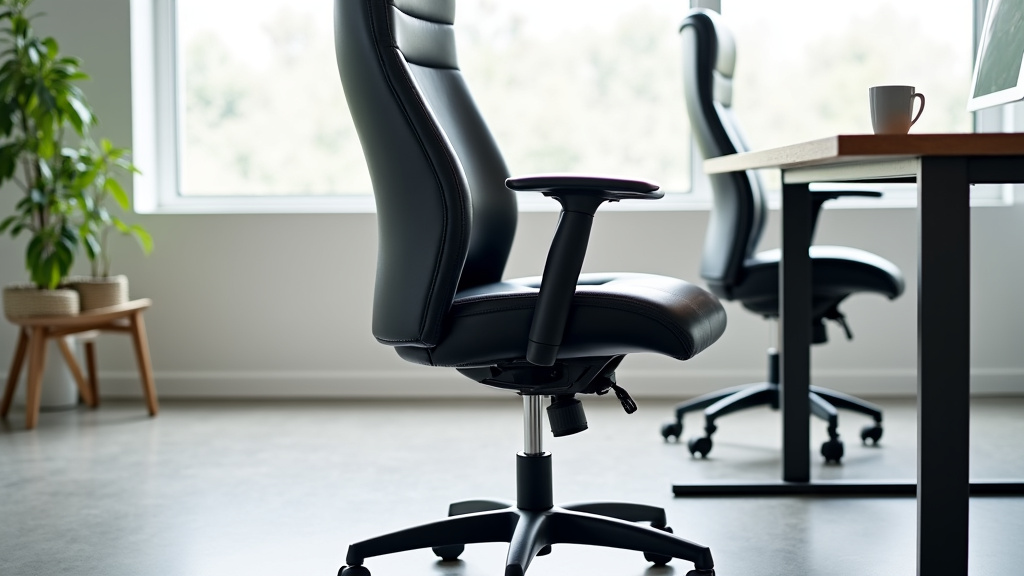
Where is this magical lever? On most office chairs, you’ll find control levers on the right side, under the seat. There might be one, two, or even three levers. The recline lock is often the one closest to the front or middle of the seat.
Sometimes, it’s the same lever you use to adjust the chair’s height. This dual-functionality is common in many standard office chairs. If you only see one main lever, it likely handles both height and recline lock.
Single Lever Chairs: The Dual-Function Design
If your chair has only one lever on the side, it’s probably a multi-tasker. This lever typically controls both seat height and recline lock. To adjust height, you usually pull it up while unweighted. To lock or unlock recline, you pull it out or push it in.
We found that this design is popular for its simplicity. It reduces clutter under the seat. You get essential adjustments from a single point of control.
Multiple Lever Chairs: Dedicated Recline Control
Chairs with multiple levers offer more precise adjustments. You might have one lever for height, another for recline lock, and a third for tilt tension. The recline lock lever will often be clearly marked or positioned to indicate its function.
Many high-end ergonomic chairs feature these dedicated controls. They allow you to fine-tune your sitting experience. This can be great for extended work sessions.
Steps to Lock Your Chair’s Recline
Ready to lock that recline? The process is usually quite straightforward. You’ll want to be seated comfortably first. This ensures you lock it at the correct angle for you.
The goal is to prevent unwanted movement. A locked recline provides stable back support. This can help reduce strain on your back muscles.
The Standard Method: Pulling the Lever Out
Once you’re seated and your back is at the desired angle, reach for the lever. For most chairs, you simply pull the lever straight out from under the seat. You might hear a soft click as it engages.
Test it gently. Try to lean back or forward slightly. The chair should now be rigid and not tilt. This confirms the lock is active.
Adjusting Recline Tension (If Applicable)
Some chairs have an additional knob, usually under the front of the seat. This is the tilt tension control. It dictates how easily the chair reclines when unlocked. Turning it clockwise increases tension, making it harder to recline. Counter-clockwise makes it easier.
Even when locked, the tension setting affects the initial feel. We found that adjusting this before locking helps you find your ideal fixed position. Think of it like fine-tuning your guitar before you play.
Unlocking the Recline Feature
You’re done with your fixed-back task. Or maybe you just want to stretch. Time to unlock the recline. This allows your chair to tilt back and forth freely again. It offers a nice change of pace and can promote movement.
Unlocking is just as simple as locking. It often involves the same lever action, just in reverse. This seamless transition is key to a versatile office chair.
The Simple Unlock: Pushing the Lever In
To unlock your recline, push the same lever you pulled out straight back in, towards the center of the chair. You’ll likely hear another click. This signals that the mechanism has disengaged.
Give it a gentle lean. You should now feel the chair tilt back and forth. You’ve successfully restored the recline function. Feel free to stretch those back muscles!
Troubleshooting Common Recline Lock Issues
What if your chair isn’t cooperating? Sometimes, the recline lock can be a bit stubborn. Don’t worry, there are a few common reasons why this happens. We’ve compiled some tips to help you get it working smoothly again.
Most issues are minor and easily fixed. You just need to know what to look for. Think of it like a puzzle; you just need the right pieces.
The Lever Feels Stuck or Doesn’t Move
If the lever feels jammed, don’t force it. First, try shifting your weight slightly. Sometimes, pressure on the backrest can prevent the mechanism from engaging or disengaging properly. Lean forward or sit upright, then try the lever again.
We found that a little jiggle or gentle shift can often free up the mechanism. It’s like when a door knob sticks a little. A little nudge can make all the difference.
Chair Still Reclines When Locked
Is your chair still tilting when it should be locked? This means the locking mechanism isn’t fully engaging. Check the lever again. Is it pulled out all the way?
Sometimes, the internal mechanism might need a slight adjustment. For older chairs, grease or dust buildup could be the culprit. A quick check underneath might reveal loose parts. If it’s a new chair, contact the manufacturer; it might be a defect.
Checklist: Locking Your Office Chair Recline
Use this quick checklist to ensure you’re locking your chair’s recline correctly and effectively. It’s a handy guide for whenever you need to adjust your setup.
- Sit comfortably with your back at the desired angle.
- Locate the recline lock lever (usually on the right, under the seat).
- Pull the lever straight out to engage the lock.
- Gently test the recline to confirm it’s stable.
- If there’s a tension knob, adjust it for your preference.
- To unlock, push the lever straight back in.
Understanding Different Recline Mechanisms
Not all chairs are built the same. While the general principle of pulling a lever often applies, the specific mechanisms can vary. Understanding these differences helps you operate your chair effectively. This knowledge can also help you choose your next office chair wisely.
From simple tilt mechanisms to sophisticated synchronous adjustments, each type offers a unique sitting experience. Knowing your chair’s mechanism helps you use its features to their fullest potential (Ergonomics Today).
Basic Tilt vs. Synchro-Tilt Mechanisms
A basic tilt mechanism allows the entire seat and backrest to tilt back as one unit. When you recline, your feet might lift off the floor. The recline lock on these chairs simply fixes this single tilt angle.
A synchro-tilt mechanism is more advanced. When you recline, the backrest tilts at a faster rate than the seat. This keeps your feet flat on the floor and maintains a more open body angle. Many experts say this is better for circulation and comfort (National Institutes of Health).
For synchro-tilt chairs, the recline lock often controls the backrest’s position independently or sets the maximum recline angle. It gives you more flexibility to find your perfect spot.
The Benefits of a Locked Recline Position
Why bother locking your recline? A fixed position offers several benefits. It provides consistent lumbar support, which is crucial for maintaining good posture over long periods. When you’re focused on tasks like typing or writing, a stable backrest prevents you from inadvertently slouching.
Many desk workers find that locking the recline helps them stay alert and engaged. It creates a more structured seating environment. This can be especially helpful for tasks requiring precision or intense concentration.
Conclusion
Mastering your office chair’s recline lock is about creating a stable, comfortable workspace. By understanding where your levers are and how they function, you gain control over your posture. This helps you stay focused and supported throughout your day.
Remember, a properly locked recline can boost your comfort and productivity. So, take a moment to adjust your chair just right. Your back will thank you!
Frequently Asked Questions
Why would I want to lock my office chair’s recline?
Locking your chair’s recline provides consistent back support, especially helpful for tasks requiring focused work. It prevents unwanted tilting, helping you maintain a stable and healthy posture while at your desk.
Can all office chairs lock their recline?
Most modern office chairs offer a recline lock feature, but not all. Basic or very old chairs might only have height adjustment. Always check the product specifications or look for levers under the seat to confirm.
What if my recline lock lever is difficult to move?
If your lever is stiff, try shifting your weight forward or sitting upright completely. Sometimes, pressure on the backrest can prevent the mechanism from moving freely. We’ve found a little repositioning often solves this issue.
Does locking the recline affect the chair’s height adjustment?
No, locking the recline feature should not impact your chair’s height adjustment. These are typically separate functions, even if they share the same lever. You can still raise or lower your seat independently.
How often should I unlock and re-lock my chair’s recline?
It depends on your work habits. You might lock it for focused tasks and unlock it to stretch or relax. We recommend making adjustments whenever you feel uncomfortable or change your activity at your desk.