Can You Fix a Broken Office Chair Wheel?
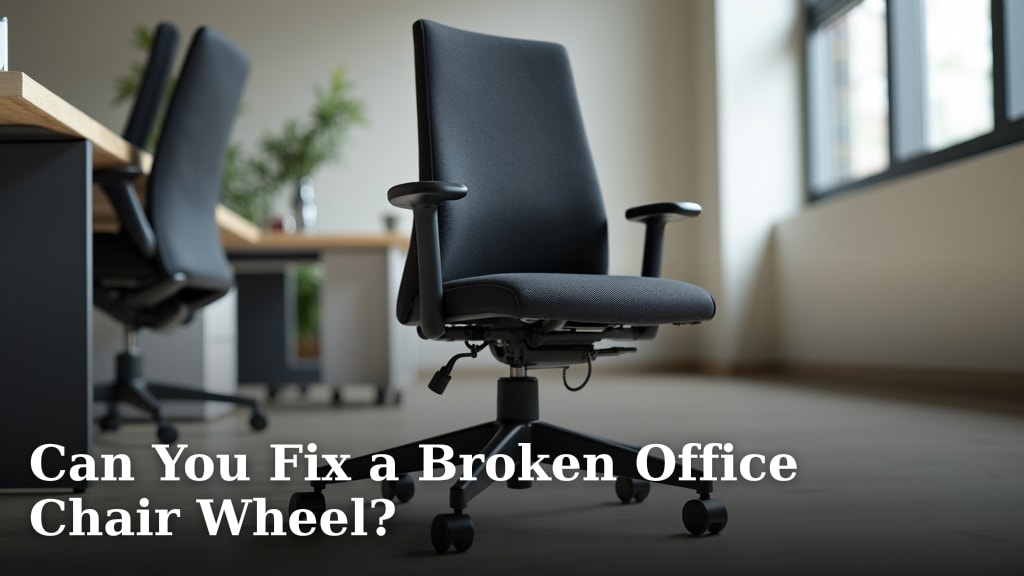
Yes, you can often fix a broken office chair wheel with a few simple steps. You don’t always need to buy a whole new chair. Many common wheel issues are repairable at home.
Whether it’s a sticky castor or a completely detached wheel, there are straightforward solutions. We found that most problems stem from worn-out parts or simple blockages. Replacing the wheel assembly is usually an easy DIY task.
- Most office chair wheel problems are fixable.
- You can often replace individual broken wheels or the whole set.
- Checking for hair or debris is a good first step.
- Replacement parts are widely available and affordable.
- A little maintenance can prevent future issues.
Below, we’ll walk you through how to identify the problem and get your office chair rolling smoothly again. Let’s get your workspace back in top shape!
Repairing Your Broken Office Chair Wheels
Yes, you absolutely can repair your office chair wheels! Often, the fix is simpler than you might think. Don’t toss out that chair just yet.
We found that many wheel problems are due to wear and tear or simple obstructions. You can often make repairs at home with basic tools. Let’s get that chair rolling smoothly again.
Identifying the Problem with Your Wheels
Before you grab your toolkit, let’s figure out what’s wrong. Is the wheel just stiff, or is it completely broken? Pinpointing the issue helps you find the right solution.
Take a moment to inspect each wheel carefully. Get down low and look closely. What do you see? What do you feel?
Common Wheel Issues
You might be dealing with one of several common problems. Each issue has its own specific fix.
- Stuck or Jammed Wheel: This is often the easiest fix. Something is preventing the wheel from turning freely.
- Wobbly or Loose Wheel: The wheel might feel like it’s about to fall off. This usually points to a connection issue.
- Broken Caster Stem: The part that connects the wheel to the chair might be bent or snapped. This requires a replacement.
- Cracked or Damaged Wheel Housing: The plastic or metal around the wheel could be broken. This often means replacing the entire caster.
- Worn-Out Wheel Tread: The rubber or plastic on the wheel itself might be flat-spotted or worn down. This affects how the chair glides.
Tools and Materials You Might Need
Don’t worry, you won’t need a professional workshop. Most repairs use everyday items. Gather these first to save yourself a trip later.
Having the right tools makes the job much easier. We found that a small collection of items is usually sufficient.
Essential Repair Kit
Here’s a quick list of what you might need. You probably have most of these lying around your house.
- Screwdriver Set: Philips and flathead.
- Pliers: Standard or needle-nose for gripping.
- Utility Knife or Scissors: For cutting away debris.
- Rag or Cloth: For cleaning.
- Lubricant (WD-40 or silicone spray): Helps wheels spin freely.
- Replacement Casters (if needed): Make sure they match your chair.
- Safety Gloves: To protect your hands.
Step-by-Step Guide to Fixing Your Office Chair Wheel
Ready to get started? We’ll walk you through the process. Take your time, and remember safety first.
Most repairs can be done in under 30 minutes. You’ll be back to work in no time.
Step 1: Prepare Your Chair for Repair
First things first, make sure your chair is stable. You don’t want it rolling away while you’re working.
Flip the chair over carefully. Place it on a clean, stable surface like a carpet or a towel. This prevents scratches and gives you a good view of the wheels.
Step 2: Clean the Wheels Thoroughly
Often, a sticky wheel is just a dirty wheel. This is the most common fix we found.
Using your utility knife or scissors, carefully cut away any hair, carpet fibers, or debris wrapped around the axle. You’d be surprised how much gunk can accumulate there. Clean the wheel housing with a rag.
Step 3: Lubricate Stiff Wheels
If cleaning didn’t work, lubrication is next. This can work wonders for a squeaky or stiff wheel.
Spray a small amount of lubricant into the axle joint and the pivot point. Roll the wheel back and forth a few times to work it in. Wipe away any excess spray.
When to Replace, Not Just Repair
Sometimes, a simple repair isn’t enough. There are times when replacement is the best, or only, option. This saves you frustration in the long run.
Don’t worry, replacing office chair wheels is usually very straightforward. It’s often as easy as pulling out the old and pushing in the new.
Determining if You Need New Casters
How do you know if it’s time for new wheels? Look for these signs.
- The wheel tread is severely worn down.
- The wheel housing or stem is cracked or bent.
- The wheel keeps falling off despite cleaning and lubrication.
- The wheel bearings are completely seized.
How to Choose the Right Replacement Wheels
Not all wheels are created equal. You need to pick the right ones for your chair and your floor.
We found that most office chairs use standard caster stems. However, it’s always good to double-check the size and type.
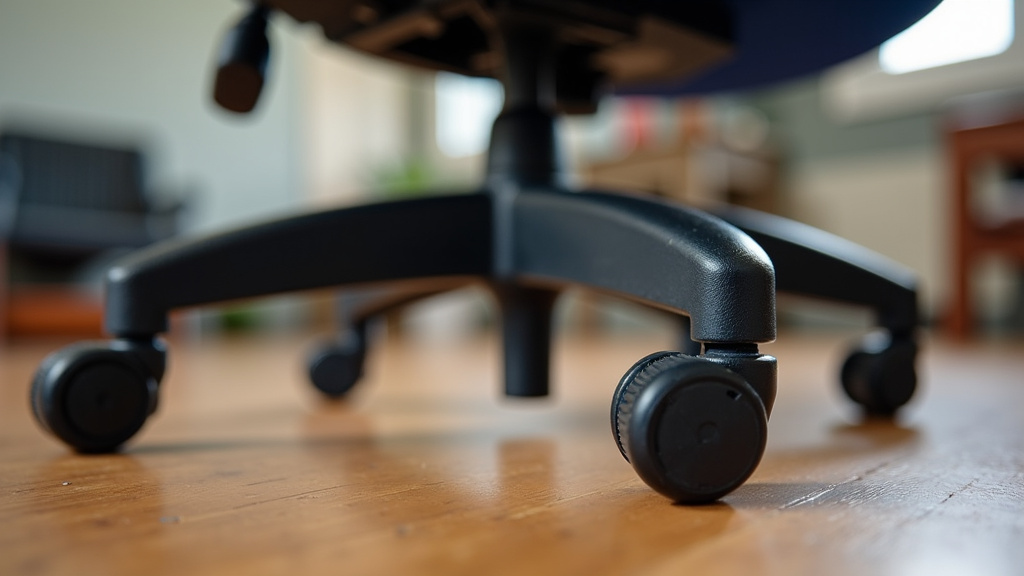
Measure the diameter of the stem where it inserts into the chair base. Also, consider your flooring. Soft wheels are best for hard floors, and hard wheels are better for carpets.
| Caster Type | Best For | Pros | Cons |
|---|---|---|---|
| Hard Wheels (Nylon/Plastic) | Carpeted Floors | Rolls easily on carpet, durable | Can scratch hard floors, noisy |
| Soft Wheels (Rubber/Polyurethane) | Hardwood, Tile, Laminate | Protects hard floors, quieter | Can be harder to roll on carpet |
| Bell Glides | Stationary Chair Needs | Prevents rolling, very stable | No mobility, fixed position |
Step 4: Replacing the Broken Caster
Once you have your new wheels, replacement is usually straightforward. You can do this!
First, remove the old wheel. Most casters simply pull out from the chair base. You might need to wiggle it or use pliers for a stubborn one. We found that a good firm yank often does the trick.
Next, insert the new wheel. Align the stem of the new caster with the hole in the chair base. Push it firmly into place until you hear or feel a click. Give it a gentle tug to ensure it’s secure.
Replace all wheels, even if only one is broken. This ensures even wear and a smoother roll (Cleveland Clinic).
Maintaining Your Office Chair Wheels
Prevention is always better than cure. A little regular maintenance can keep your wheels rolling smoothly for years.
We found that simple habits make a big difference. Don’t wait until a wheel breaks to think about it.
Tips for Long-Lasting Wheels
Keep your chair in top condition with these easy tips. Your back and your floor will thank you!
- Regularly inspect wheels: Once a month, take a quick look for debris.
- Keep floors clean: Less hair and dirt on the floor means less in your wheels.
- Avoid overloading your chair: Stay within the manufacturer’s weight limit.
- Use a chair mat: This protects both your floor and your wheels.
- Lubricate annually: A quick spray of lubricant keeps things gliding.
- Tighten screws: Check for any loose screws on the wheel housing periodically.
Troubleshooting Persistent Wheel Problems
What if your wheel still isn’t right? Don’t despair. Some problems are trickier than others.
If you’ve tried everything and the wheel is still giving you trouble, it might be time for a deeper look. We found that sometimes the issue isn’t the wheel itself.
When the Issue Isn’t the Wheel
Could it be something else? Yes, sometimes the chair base itself is the problem.
Check the chair’s base for cracks or damage. If the holes where the casters insert are stripped or broken, you might need a new chair base. This is less common but can happen with older or cheaper chairs. You might also want to look at the chair’s overall stability (Mayo Clinic).
Conclusion
As you’ve seen, a broken office chair wheel doesn’t have to mean a broken office chair. You have the power to bring it back to life!
From simple cleaning and lubrication to full caster replacements, most wheel issues are easily fixable. We found that a little inspection and the right tools go a long way. Prioritizing maintenance helps prevent problems in the first place.
Don’t let a wobbly wheel ruin your workday. Take a few minutes to diagnose the issue and apply the appropriate fix. Your chair, and your productivity, will thank you.
Frequently Asked Questions
How do I know what size replacement wheels I need?
Most office chairs use a standard stem diameter for their casters. You should measure the diameter of the metal stem that inserts into the chair base. It’s usually 7/16 inch (11mm) or 3/8 inch (10mm). Comparing your old wheel to the new one ensures a good fit.
Can I use any type of lubricant on my office chair wheels?
We recommend using a silicone-based spray lubricant or dry lubricant. Avoid petroleum-based lubricants like WD-40 if possible, as they can attract more dirt and grime over time. A cleaner lubricant keeps your wheels smoother for longer.
What if my office chair wheels keep getting tangled with hair?
Regularly cleaning the wheels is key. You can also look for “hair-resistant” or “enclosed” casters as replacements, which are designed to minimize hair and debris accumulation. Keeping your workspace floor clean also helps immensely.
Is it better to replace all wheels even if only one is broken?
We generally recommend replacing all wheels at once. This ensures even wear and consistent rolling performance across your chair. Mixing old, worn wheels with new ones can lead to uneven movement and potentially stress other components.
My chair still doesn’t roll smoothly after cleaning and lubrication. What else could be wrong?
If cleaning and lubrication don’t help, the issue might be worn-out internal bearings within the wheel, or a damaged caster stem or housing. In these cases, the best solution is often to replace the entire caster. Sometimes, the problem can also stem from a cracked chair base where the wheels insert.