Is a Massage Office Chair Worth It?
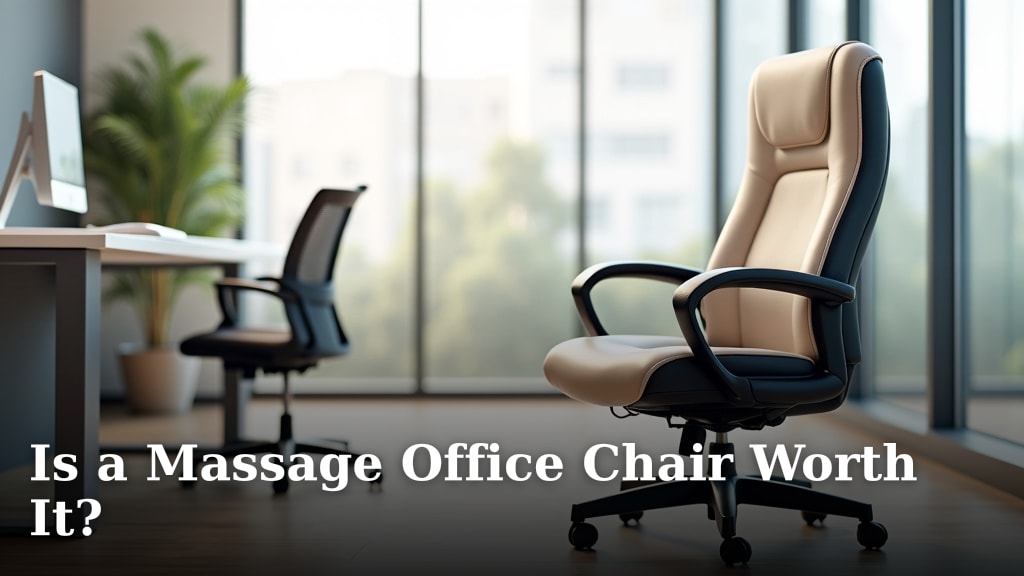
Yes, a massage office chair can be worth it for many people, especially if you spend long hours at your desk. They offer targeted relief and can improve your comfort during the workday.
Many people struggle with back pain or stiffness from sitting. These chairs aim to help with common aches and promote better posture. But do they Our guide to the best desk chair for back pain can help you find a chair that provides lasting relief.really make a difference for your day-to-day comfort?
- Massage chairs offer varied intensity.
- They can help with muscle stiffness.
- Consider features like heat and vibration.
- Think about your budget and needs.
Let’s walk through everything you need to know about massage office chairs. We’ll help you decide if one is right for your workspace.
Assessing the Value of a Massage Office Chair
You’re probably wondering if these chairs live up to the hype. We found that a massage office chair can be a game-changer for daily comfort. They offer more than just a place to sit. Think of it as a small wellness break built right into your workday.
Many people struggle with muscle tension from long hours. A massage chair can help interrupt that stiffness cycle. It’s about finding small ways to improve your well-being while you work.
Understanding the Different Types of Massage Chairs
Not all massage office chairs are created equal. You’ll find a range of options, each with its own benefits. Knowing these differences helps you pick the best fit for your needs.
Some chairs offer gentle vibrations. Others have rollers that mimic a deep tissue massage. It really depends on what kind of relief you’re looking for.
Vibration-Only Massage Chairs
These are often the most affordable options. They use small motors to create a gentle vibrating sensation. It’s like a soft hum that can help with circulation.
Vibration can be surprisingly effective for easing minor muscle fatigue. It won’t work out deep knots, but it can be very relaxing. Think of it as a subtle way to keep your muscles from getting too stiff.
- Good for general relaxation.
- Often have multiple intensity settings.
- Usually cover the back and sometimes the seat.
Rolling and Kneading Massage Chairs
These chairs offer a more therapeutic experience. They have internal rollers that move up and down your back. This movement can mimic the feel of human hands.
You can often adjust where these rollers focus. This is great if you have a specific spot, like your lower back, that gets tight. Many users report significant relief from everyday aches (Journal of Manipulative and Physiological Therapeutics).
These chairs often cost more, but the targeted relief can be worth it. They aim to get deeper into muscle tissue than simple vibration.
Chairs with Heat Functionality
Some massage chairs also come with a heating element. This feature often works alongside the massage functions. Heat can boost the effectiveness of the massage.
Warmth helps relax muscles and can increase blood flow to the area. This can be especially soothing for a stiff back or shoulders. It’s like adding a warm compress to your massage.
Look for chairs that let you control the heat level. You want it to be comfortable, not too hot. This combination of heat and massage is a real comfort booster.
Potential Health Benefits for Desk Workers
Sitting for hours can take a toll on your body. Massage office chairs aim to counteract some of these effects. Many people find they can reduce pain and improve well-being.
It’s not just about feeling good. There are some real physical benefits at play. Let’s look at what research and user experiences suggest.
Alleviating Back and Neck Pain
This is perhaps the biggest draw for many. If you suffer from a stiff neck or a sore lower back, a massage chair might help. The targeted massage can release tension in key areas.
Regular short massage sessions can prevent pain from building up. Instead of waiting until you’re in agony, you can address it proactively. This can lead to fewer aches by the end of the day.
Remember, it’s not a substitute for medical treatment. But for everyday stiffness, it can be a valuable tool (Cleveland Clinic).
Improving Circulation and Reducing Stiffness
Sitting still for too long slows your circulation. This can make your muscles feel stiff and sluggish. Massage helps get your blood flowing.
Better blood flow means more oxygen and nutrients reach your muscles. It also helps remove waste products that build up during long periods of inactivity. This can make a big difference in how your body feels.
Even gentle vibration can encourage circulation. It’s a small change that can have a noticeable impact on your energy levels.
Enhancing Mental Focus and Reducing Stress
Stress isn’t just in your head; it lives in your body too. Tight shoulders and a tense jaw are common signs. A short massage break can help You can also find the best office chair for neck pain to target specific areas of tension.melt away some of that physical stress.
When your body feels more relaxed, your mind can focus better. A quick 10-minute massage can be like a mini-reset button. It allows you to return to your tasks feeling refreshed and less distracted by discomfort.
Many studies suggest massage can lower cortisol, the stress hormone (Mayo Clinic). This means a massage chair could contribute to a calmer and more productive you.

Factors to Consider Before Buying
So, you’re thinking about getting one. Great! But before you buy, there are a few things to keep in mind. You want to make sure you’re getting the right chair for your situation.
It’s like buying a car; you wouldn’t just pick the first one you see. Take a moment to think about your needs, your budget, and what features are most important to you.
Budget and Cost-Effectiveness
Massage office chairs vary widely in price. You can find basic vibrating models for under $100. More advanced chairs with rollers and heat can cost several hundred dollars.
Think about how much you’d spend on professional massages. Even a mid-range chair might pay for itself over time if you use it regularly. Consider it an investment in your daily comfort.
Don’t just go for the cheapest option. Sometimes spending a little more for better features or durability can save you money in the long run. Quality often lasts longer.
Features and Customization Options
What kind of massage do you want? Do you need intense kneading or just gentle vibration? Look for chairs that offer multiple settings and intensities.
Can you target specific areas, like your lumbar or neck? Does it have a heat function? These details make a big difference in the user experience.
Consider the controls. Are they easy to reach and use while seated? A good chair will let you tailor the massage to your preference with minimal fuss.
Ergonomics and Comfort (Beyond the Massage)
A massage chair is still an office chair. That means its basic ergonomic functions are crucial. It needs to support good posture even when the massage is off.
Check for adjustable seat height, armrests, and back recline. Does it provide good lumbar support? A chair that’s just a massage gimmick but poor ergonomically won’t serve you well long-term.
You’ll be sitting in this chair for hours each day. Make sure it’s fundamentally comfortable and supportive. The massage should be a bonus, not the only reason to buy it.
Is a Massage Office Chair Right for You? A Quick Checklist
Still on the fence? Use this quick checklist to see if a massage office chair aligns with your needs. It helps to clarify your priorities.
- Do you spend 6+ hours daily sitting at your desk?
- Do you frequently experience back, neck, or shoulder stiffness?
- Are you looking for ways to reduce stress during work hours?
- Is your current office chair lacking comfort or support?
- Are you willing to invest in a chair for long-term well-being?
- Could you benefit from short, regular relaxation breaks?
If you answered “yes” to most of these, a massage office chair could be a very positive addition to your workspace. It’s all about making your work life a little more comfortable.
Conclusion
Deciding if a massage office chair is worth it comes down to your personal needs and priorities. We’ve seen how these chairs can offer real relief from daily aches, improve circulation, and even boost your focus by reducing stress. They aren’t a medical cure, but they provide a powerful tool for daily well-being. By considering your budget, desired features, and ensuring solid ergonomics, you can find a chair that truly enhances your workday. Investing in your comfort and health at your desk is a smart move that often pays dividends in productivity and overall happiness.
Frequently Asked Questions
Can I use a massage office chair all day long?
While designed for office use, it’s generally best to use the massage functions in short, targeted sessions rather than continuously all day. Overuse might irritate muscles. Focus on breaks throughout your day for maximum benefit.
Do massage office chairs require special power outlets?
Most massage office chairs plug into a standard wall outlet, just like other electronic devices. They typically come with a power cord and adapter. Check the product specifications for exact power requirements before purchasing.
Are massage office chairs noisy?
The noise level varies depending on the type and quality of the chair. Vibration-only models are usually very quiet. Chairs with rollers and kneading mechanisms can be a bit louder due to the internal motors, but most are designed to be unobtrusive in an office setting.
How do I clean and maintain a massage office chair?
Cleaning instructions depend on the chair’s material. For most, a damp cloth with mild soap is sufficient for surface cleaning. Avoid harsh chemicals. Regularly check connections and moving parts, and refer to your chair’s user manual for specific maintenance tips.
Can a massage office chair replace a professional massage therapist?
No, a massage office chair cannot fully replace the expertise of a professional massage therapist. While they offer excellent daily relief and preventive care, they lack the diagnostic ability and nuanced touch of a trained professional for deep-seated issues or specific therapeutic needs.