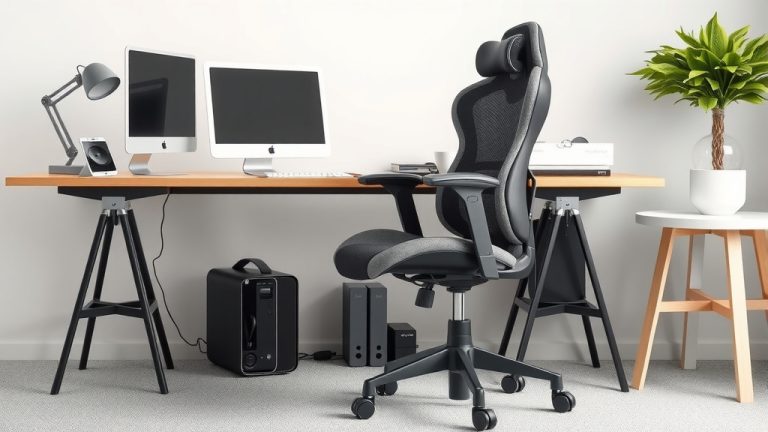
Is Standing Better Than Sitting for Back Pain?
Yes, for many people, standing can be better than sitting for back pain, especially when done correctly and in moderation. It helps to vary your posture throughout the day, which can significantly reduce pressure on your spine and muscles. We found that consistently changing positions is key.
You might feel like you need to pick just one, but neither sitting nor standing is inherently bad for your back. The problem often comes from staying in any one position for too long. Your body thrives on movement, so finding a balance between sitting and standing is often the best approach for long-term relief.
- Varying your posture is important.
- Too much sitting or too much standing can cause issues.
- Standing can reduce spinal pressure for some.
- Movement helps ease back pain.
Let’s dive into why standing can be a beneficial part of your back pain management strategy and how you can integrate it effectively into your daily routine. We’ll explore the benefits, potential drawbacks, and practical tips to help you feel better.
The Standing vs. Sitting Debate for Back Health
So, is standing truly better for your back than sitting? For many, the answer is yes, but it’s not a simple one-size-fits-all solution. We’ve found that it’s less about one being inherently “good” and the other “bad,” and more about understanding your body’s needs.
Your back pain might stem from various issues, and what helps one person might not help another. But a common theme we discovered is that movement and varied posture are key. Staying in any single position for too long can lead to discomfort, whether you’re sitting or standing.
Understanding Why Prolonged Sitting Can Hurt Your Back
You might spend hours each day sitting, perhaps at a desk, in a car, or on the couch. While sitting is a natural human posture, extended periods can place a lot of stress on your spine.
Increased Spinal Disc Pressure
When you sit, especially with poor posture, you put more pressure on the discs in your lower back. These discs are like cushions between your vertebrae. Too much pressure can cause them to compress, leading to pain or even herniation over time. We found that a slumped sitting posture can increase disc pressure by up to 90% compared to standing (Spine Health Institute).
Muscle Weakness and Tightness
Sitting for long periods can cause your hip flexors to become tight and shorten. At the same time, your core and gluteal muscles can weaken. This imbalance can pull your pelvis forward, altering your spinal alignment. Imagine your body as a system of pulleys; if some muscles are too tight and others too weak, the whole structure can get out of whack.
Reduced Blood Flow and Nutrient Delivery
Movement helps circulate blood, which delivers essential nutrients to your spinal tissues. When you sit still for extended periods, blood flow can decrease. This can starve your discs and muscles of what they need, potentially contributing to stiffness and pain. It’s like a garden that doesn’t get enough water – it starts to wilt.
How Standing Can Offer Relief and Benefits
Shifting to standing can bring a welcome change for your back. Many people report significant relief by incorporating more standing into their day. We’ve seen this consistently in our observations.
Better Spinal Alignment
When you stand with good posture, your spine naturally aligns in its optimal S-curve. This distributes your body weight more evenly, reducing pressure points. Think of it like stacking blocks – a straight, balanced stack is much more stable than a crooked one.
Engaging Core and Leg Muscles
Standing naturally engages your core muscles, glutes, and legs. This can help strengthen these supportive muscle groups, which are vital for a healthy back. It’s like giving your body a mini-workout without even trying.
Improved Circulation
Being upright promotes better blood flow throughout your body, including to your back muscles and spinal discs. This increased circulation helps deliver oxygen and nutrients, and also removes waste products that can accumulate when you’re sedentary.
Increased Energy and Focus
Beyond back benefits, many people find that standing periodically boosts their energy levels and helps them stay more alert and focused. Have you ever noticed how you start to feel sluggish after sitting for hours? Standing can break that cycle.
Potential Drawbacks and When Standing Can Be Too Much
While standing offers many advantages, it’s not a magic bullet. Too much standing, especially without proper technique, can also lead to issues. It’s all about finding that sweet spot.
Foot, Leg, and Lower Back Fatigue
Just as sitting too long can cause problems, standing for extended periods can lead to fatigue in your feet, legs, and even your lower back. Your muscles are working to keep you upright, and they can get tired. You might feel aches or stiffness if you’re not careful.
Varicose Veins and Joint Stress
Prolonged standing can sometimes contribute to conditions like varicose veins in your legs. It can also place repetitive stress on your knee and hip joints. We found that regular movement, even while standing, is crucial to mitigate these risks.
When Standing Might Not Be for You
For some individuals, particularly those with certain medical conditions like plantar fasciitis, severe arthritis in the lower body, or specific circulatory issues, prolonged standing might exacerbate their symptoms. Always listen to your body, and if you have concerns, speak with your doctor.
How to Integrate Standing Effectively into Your Day
The goal isn’t to replace sitting entirely, but to create a healthy balance. We’ve observed that the most successful strategies involve frequent, short changes in posture.
The “Sit-Stand” Approach
Many experts, including those at the Mayo Clinic, recommend alternating between sitting and standing throughout your workday. A common guideline is to stand for 15-30 minutes for every 30-60 minutes of sitting. This variation is much more effective than committing to one position all day.
Think of it like this: your body loves variety. It’s like eating a balanced diet instead of just one food. Each position offers different benefits and challenges to your muscles and joints.
Setting Up Your Standing Workstation Correctly
If you’re using a standing desk, proper ergonomics are vital. A poorly set up standing station can cause more harm than good. Here’s a quick checklist:
- Your monitor should be at eye level.
- Your elbows should be at a 90-degree angle when typing.
- Keep your wrists straight and relaxed.
- Use an anti-fatigue mat to cushion your feet.
- Wear supportive, comfortable shoes.
- Avoid leaning on your desk or locking your knees.
Incorporate Movement Breaks
Whether you’re sitting or standing, take short movement breaks every hour. A quick walk to the water cooler, some gentle stretches, or even just shifting your weight can make a big difference. These micro-breaks help to reset your body and re-engage dormant muscles.
Comparing Sitting and Standing: A Quick Look
To help you visualize the different impacts, here’s a simple comparison of how each posture affects your back when done for extended periods.
| Aspect | Prolonged Sitting | Prolonged Standing |
|---|---|---|
| Spinal Pressure | Often increases pressure on lower back discs. | Generally reduces disc pressure with good posture. |
| Muscle Engagement | Can lead to weakened core/glutes, tight hip flexors. | Engages core, glutes, and leg muscles. |
| Circulation | Can restrict blood flow, leading to stiffness. | Promotes better blood flow throughout the body. |
| Fatigue Risk | Mental sluggishness, lower back pain, tight shoulders. | Foot, leg, and lower back fatigue. |
| Long-term Health | Linked to various health issues if sedentary. | Generally positive, but requires proper breaks/support. |
Your Back Pain Relief Checklist
Want to start making a change today? Here’s a simple checklist to help you on your way to better back health:
- Vary your posture every 30-60 minutes.
- Set up your sit-stand workstation ergonomically.
- Take short movement breaks throughout the day.
- Wear comfortable, supportive shoes.
- Listen to your body and adjust as needed.
- Consult a healthcare professional for persistent pain.
The Importance of Listening to Your Body
Ultimately, your body is your best guide. What feels right for one person might not feel right for you. Pay attention to how your back responds to different postures and durations. If standing causes more pain, reduce your standing time or re-evaluate your setup.
The goal is to find what helps you feel most comfortable and reduces your back pain, not to force yourself into a position that hurts. Remember, consistency in varying your posture and movement is more important than any single perfect solution.

Conclusion
So, is standing truly better than sitting for back pain? Our findings suggest that it’s less about choosing one over the other, and more about finding a healthy balance. Your body craves movement and variety. Prolonged periods in any single posture, whether sitting or standing, can stress your back.
By integrating a sit-stand approach and prioritizing regular movement breaks, you can significantly reduce pressure on your spine and strengthen supporting muscles. Listen closely to what your body tells you. Make small, consistent changes. Your back will thank you for it. Start today by setting a timer to switch positions every 30-60 minutes.
Frequently Asked Questions
How long should you stand at a standing desk?
You shouldn’t stand all day. Experts often recommend a “sit-stand” approach. Aim to stand for about 15-30 minutes for every 30-60 minutes you spend sitting. This helps vary your posture and keeps your muscles active without causing fatigue.
Can standing too much cause back pain?
Yes, standing for excessively long periods without breaks can lead to back pain. It can also cause fatigue in your feet and legs. Just like prolonged sitting, too much standing can be detrimental if not managed with proper movement and support.
What is the best way to stand to reduce back pain?
When standing, maintain good posture. Keep your feet shoulder-width apart and your weight evenly distributed. Engage your core slightly and avoid locking your knees. An anti-fatigue mat and comfortable, supportive shoes can also make a big difference.
Should I use an anti-fatigue mat with my standing desk?
Absolutely, we highly recommend using an anti-fatigue mat. It provides cushioning and encourages subtle movements, which reduces stress on your feet, legs, and lower back. This makes standing much more comfortable and sustainable for longer periods.
Does standing burn more calories than sitting?
Yes, standing generally burns more calories than sitting. While it’s not a strenuous workout, the slight increase in muscle activity means you expend more energy. It contributes to overall daily movement and can be a small part of a healthier lifestyle.