What Is the Difference Between Task Chair and Office Chair?
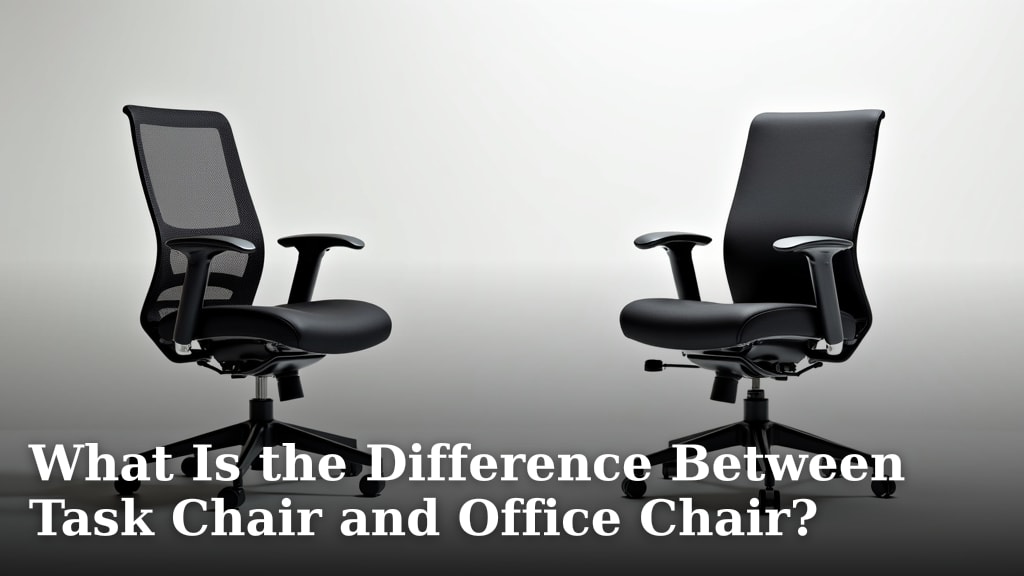
The main difference between a task chair and an office chair often comes down to design intent and adjustability. A task chair is typically a type of office chair, but it’s designed for active, short-term work with basic adjustments. A general office chair can be broader, offering more features for comfort during longer sitting periods.
You might think all office chairs are the same, right? We found that while they both help you sit at a desk, their features and intended uses vary quite a bit. Understanding these differences can help you pick the best seat for your workday.
- Task chairs are for short, active work.
- Office chairs offer more features for longer comfort.
- Adjustability is key to distinguishing them.
- One is often a specialized version of the other.
Ready to discover which chair is right for your daily grind? Let’s break down the distinctions and help you make an informed choice for your workspace.
Exploring the Differences Between Task and Office Chairs
While both task chairs and office chairs help you get work done, they’re built with different types of work in mind. Think of it like this: a task chair is often a specialized version of an office chair, designed for specific, active duties.
What Exactly is a Task Chair?
Let’s start with the task chair. Imagine you’re at a workstation where you frequently move between tasks or stand up often. That’s where a task chair shines. We found these chairs are generally more compact and built for agility.
Their design prioritizes movement. You’ll notice they usually have a smaller footprint. This makes them ideal for tighter spaces or when you need to swivel and shift positions frequently. They’re less about lounging and more about doing.
Key Features of a Task Chair
When you look at a task chair, you’ll typically see a few core elements. These features support quick adjustments and shorter periods of use.
- Basic Adjustments: You’ll almost always find seat height adjustment. Some might have backrest tilt.
- Smaller Seat and Backrest: They have less padding and a more upright posture support. This encourages active sitting.
- Wheeled Base: Mobility is key. A five-star wheeled base allows for easy movement around your workspace.
- Lighter Construction: Often made with fewer heavy components, making them easier to move.
What Defines an Office Chair?
Now, let’s look at the broader category: the office chair. This term can encompass many styles, from ergonomic powerhouses to basic seating. The main idea? Office chairs are usually designed for longer periods of sitting, often for several hours at a stretch.
When you hear “office chair,” you might picture something more robust. We found that these chairs typically offer more comfort features and greater adjustability. They aim to support your body throughout a full workday, reducing strain and fatigue.
Key Features of an Office Chair
Office chairs often come packed with options. These features are designed to adapt to your unique body and work habits, keeping you comfortable for the long haul.
- Extensive Adjustability: Beyond height, expect armrest adjustments (height, width, pivot), lumbar support changes, seat depth, and more advanced tilt mechanisms.
- Generous Padding: Thicker, more supportive cushioning on the seat and back is common.
- Higher Backrests: Many office chairs offer mid-back to high-back designs for better upper body and neck support.
- Robust Construction: They tend to be built with more durable materials and a sturdier frame to handle prolonged use.
The Core Differences: A Quick Comparison
To help clarify, let’s put them side-by-side. The contrast often comes down to their intended duration of use and the level of support they offer.
| Feature | Task Chair | Office Chair |
|---|---|---|
| Intended Use | Short-term, active tasks (1-4 hours) | Long-term, general work (4+ hours) |
| Adjustability | Basic (height, sometimes back tilt) | Extensive (height, armrests, lumbar, tilt tension) |
| Comfort/Padding | Lighter, less cushioning | More substantial, thicker padding |
| Size/Footprint | Compact, smaller | Larger, more substantial |
| Backrest Height | Low to mid-back | Mid to high-back, sometimes headrest |
| Price Range | Generally lower | Generally higher (due to features) |
When to Choose a Task Chair
So, when is a task chair your best bet? Consider your daily routine. If you find yourself hopping up frequently or only sitting for short bursts, it could be perfect.
- You move between multiple workstations.
- You often stand up to talk, retrieve items, or stretch.
- Your workspace is small and needs a compact seating solution.
- You need a chair for a reception area or a brief meeting spot.
- Your budget is tighter, and you need something functional.
We found that task chairs are excellent for students at a desk for homework or for quick administrative duties. They’re designed to keep you engaged and active.
When to Opt for an Office Chair
For those long stretches in front of a computer, an office chair is usually the better choice. It’s an investment in your comfort and, frankly, your body’s well-being.
- You spend most of your workday (4+ hours) seated.
- You experience back pain or discomfort from poor posture.
- You need specific ergonomic adjustments for your body type.
- Your job requires intense focus without frequent breaks.
- You want maximum support for your back, neck, and arms.
Many experts, including those in ergonomics, emphasize the importance of proper support for long sitting periods (Occupational Safety and Health Administration). An office chair, especially an ergonomic one, is designed to provide just that. For those who spend extensive hours at their desk, finding the best ergonomic chair for all-day sitting is crucial for sustained comfort and health.
Ergonomics: A Shared Goal, Different Approaches
Both types of chairs aim for some level of ergonomics, but they achieve it differently. Ergonomics is about designing a workspace to fit the user, not the other way around. It’s about reducing strain and promoting health.
A task chair offers basic ergonomic benefits by allowing you to adjust height and sometimes back angle. This helps maintain a neutral posture for short tasks. It supports movement and adaptability.
An office chair, especially one marketed as “ergonomic,” takes this much further. It offers a wider range of adjustments to contour to your body. This helps you maintain ideal posture throughout the day, preventing issues like back pain or wrist strain. It’s about sustained, personalized support.
Making Your Choice: A Quick Checklist
Still on the fence? Ask yourself these questions to help narrow down your decision. Think about your daily habits and your physical needs.
- How many hours per day will I actually sit in this chair?
- Do I frequently get up and move around my workspace?
- What specific body parts need the most support (lower back, neck, arms)?
- What is my budget for a new chair?
- How much space do I have for the chair in my office?
- Do I have any existing aches or pains that a chair could help alleviate?
Your answers will likely point you toward the chair that best fits your unique work style and physical requirements. Remember, the “best” chair is the one that works best for you.
Conclusion
Choosing between a task chair and an office chair boils down to your specific needs. If you spend short periods at your desk or move around frequently, a compact task chair offers the agility you need. For long hours of focused work, an ergonomic office chair provides the sustained comfort and support your body deserves. We’ve seen that the right chair can significantly impact your productivity and well-being.
Consider your daily routine and physical requirements carefully. Invest in the chair that best supports your unique work style. Your body will thank you for making an informed choice.
Frequently Asked Questions
Can a task chair be ergonomic?
Yes, a task chair can offer ergonomic benefits, primarily through height adjustability and basic back support. However, its ergonomic features are generally more limited compared to a dedicated ergonomic office chair. It supports active sitting for shorter durations.
Is it okay to use a task chair all day?
Using a task chair all day is generally not recommended if you sit for more than 4-5 hours continuously. They are designed for shorter, more active periods. For full-day use, an office chair with more extensive adjustments and padding offers better long-term support and comfort.
What’s the typical price difference?
Task chairs typically have a lower price point than full-featured office chairs. This is due to their simpler design, fewer adjustable components, and less padding. Office chairs, especially ergonomic models, can be a greater investment due to their robust construction and advanced features.
Do task chairs usually have armrests?
Many task chairs come without armrests or with fixed, non-adjustable armrests. This design supports ease of movement and tucking the chair under smaller desks. Some models might offer basic adjustable armrests, but it’s less common than with office chairs.
Which chair is better for small spaces?
A task chair is usually better for small spaces. Their compact design and smaller footprint allow them to fit more easily into tight areas. They also tend to be lighter, making them easier to move and store when not in use.