Why Does My Office Chair Feel Too Soft?
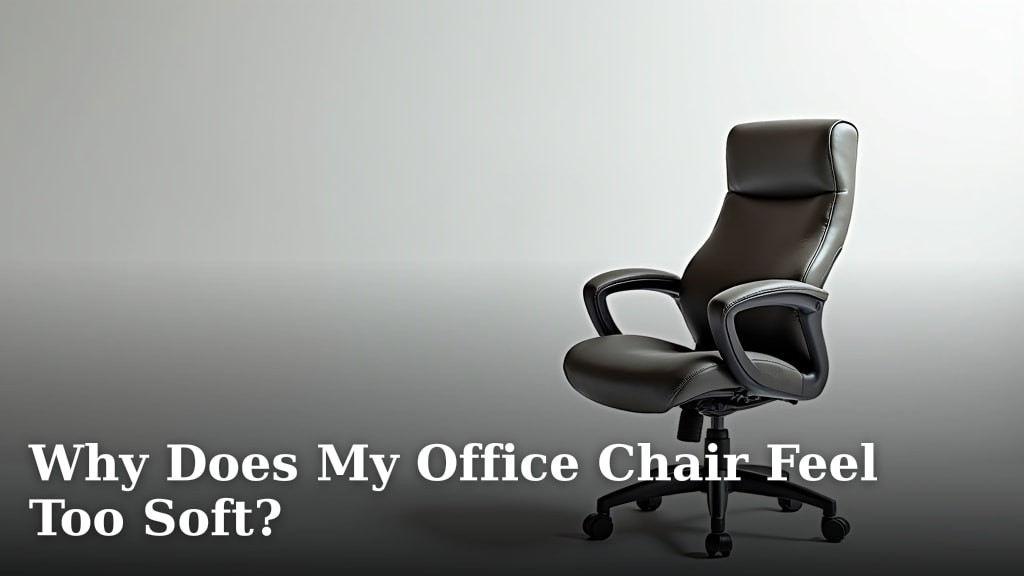
Your office chair likely feels too soft because the cushioning material has compressed and lost its original density over time. This common issue happens with regular use, leading to a noticeable sag or less support than when it was new.
You might be wondering, “Why does my office chair feel too soft?” We understand how frustrating it is when your comfy chair starts feeling like a deflated pillow. This can cause discomfort during long work hours and even impact your posture. Many factors contribute to this softening, from the type of foam to your sitting habits.
- Your chair’s cushioning wears out over time.
- Foam compression reduces support and comfort.
- Weight and sitting duration affect cushion lifespan.
- Lower quality materials soften faster.
- There are ways to improve or replace soft cushions.
Below, we’ll walk you through the main reasons why your office chair feels too soft and what you can do about it to reclaim your comfortable workspace.
The Main Reasons Your Office Chair Feels Too Soft
When your office chair starts feeling like a cloud that’s lost its fluff, it’s usually due to a few key culprits. We found these factors often work together to reduce your chair’s support and comfort.
Compression of Cushioning Materials Over Time
The most common reason for a soft chair is simply that its cushioning has been squished down. Imagine repeatedly stepping on a sponge; it eventually loses its spring. Your chair’s foam works similarly.
The Role of Foam Density and Type
The type of foam used in your chair plays a big part. Lower-density foams compress much faster than high-density options. While a soft initial feel might seem nice, it often means quicker wear.
Memory foam, for example, is designed to contour to your body. But over many hours of use, even good quality memory foam can start to feel overly soft, losing its ability to spring back fully (American Society for Testing and Materials, ASTM).
Impact of Daily Use and Weight Distribution
Think about how many hours you spend in your chair each day. Each minute puts pressure on the cushion. Constant pressure in the same spots causes the foam cells to break down, leading to permanent indentations.
Your body weight also plays a significant role. Heavier individuals will naturally cause faster compression than lighter ones. It’s not just about weight, but also how you shift and distribute it throughout the day.
Lower Quality Chair Components and Construction
Sometimes, the issue isn’t just about age. A chair made with cheaper materials can feel soft or saggy much sooner. You might notice this problem appearing within months, not years.
Inferior Foam and Upholstery Choices
Manufacturers can save money by using lower-grade foam that lacks resilience. This foam might feel fine initially but quickly loses its supportive qualities. The upholstery fabric itself can also influence perceived softness.
A loose or thin fabric cover might not hold the foam tightly, allowing it to shift and feel less firm. We found that chairs with well-constructed upholstery often maintain their support longer.
Weakening of Support Structures
It’s not always just the cushion. The chair’s base, seat pan, or even the frame can weaken. A sagging seat pan, for instance, means the foam has less firm support underneath, making the entire seat feel softer.
Some chairs use elastic webbing or springs under the cushion. If these components stretch out or break, the cushion will sink lower, giving that “too soft” sensation. It’s like a hammock losing its tension.
Environmental Factors and Chair Maintenance
Believe it or not, your office environment and how you care for your chair can contribute to its softness. These factors are often overlooked but can shorten your chair’s lifespan.
Temperature and Humidity Effects
Extreme temperatures can affect foam. High heat can degrade certain foams more quickly, making them softer and less resilient. Humidity might also play a small role, depending on the material.
We’ve heard from people who notice their chair feels different in a hot room compared to an air-conditioned one. While not the primary cause, it can accelerate wear over time.
Lack of Regular Chair Care
Do you ever clean or rotate your chair cushion? Probably not often, right? Just like rotating your car tires, occasionally fluffing or rotating removable cushions can help distribute wear more evenly.
If your chair has a removable cover, cleaning it according to manufacturer instructions can prevent material breakdown. Over time, dust and grime can also impact fabric and foam integrity.
Is Your Sitting Posture Contributing to the Problem?
Your body’s relationship with the chair is a two-way street. How you sit can influence how quickly the chair softens. Are you a sloucher? Do you sit on one hip more than the other?
Uneven pressure from poor posture concentrates wear in specific areas. This leads to certain parts of the cushion compressing faster than others, creating uneven support and a feeling of general softness.
Many guidelines point to maintaining an upright posture with your feet flat on the floor (Occupational Safety and Health Administration, OSHA). This helps distribute your weight more broadly across the seat.
What Can You Do About Your Soft Office Chair?
Don’t despair! A soft office chair doesn’t always mean it’s time for a new one. There are several steps you can take to bring back some firmness or improve your comfort.
Adding Extra Support to Your Existing Chair
This is often the quickest and most cost-effective solution. You’re essentially boosting the existing cushion or adding a new layer of support on top.
Using a Seat Cushion or Pad
A good quality seat cushion can work wonders. Look for options made from high-density foam or gel. These provide an additional layer of firmness and distribute your weight better.
- Look for cushions specifically designed for office chairs.
- Gel cushions offer good pressure relief and retain shape.
- High-density foam cushions provide firm, lasting support.
- Consider cushions with coccyx cutouts for tailbone comfort.
Make sure the cushion fits your chair and doesn’t make you sit too high, which could affect your ergonomics.
Reinforcing the Seat Pan
If the problem is a sagging seat pan, you might be able to reinforce it. Some chairs allow you to open the underside and add a piece of plywood or a firm board underneath the existing cushion. This provides a solid, unyielding base.
This solution is more DIY and depends on your chair’s construction. Always check if doing this would void your warranty or damage the chair.
Considering a Cushion Replacement or Upgrade
For chairs where the cushion is truly worn out, replacing just the cushion can be a viable option. This is especially true for higher-end chairs where the frame is still in good condition.
Here’s a quick comparison of common cushion materials:
| Cushion Type | Pros | Cons |
|---|---|---|
| High-Density Foam | Excellent support, durable, good value. | Can be firm for some, not as contouring as memory foam. |
| Memory Foam | Contours to body, pressure relief, soft feel. | Can retain heat, might soften too much over time. |
| Gel | Cooling properties, good pressure distribution. | Heavier, can sometimes feel “squishy” if low quality. |
| Latex | Very resilient, breathable, naturally hypoallergenic. | More expensive, distinct feel not for everyone. |
Replacing the entire cushion can breathe new life into your chair without the expense of buying a completely new one. Many office chair parts are modular.
Adjusting Your Sitting Habits
Sometimes, the fix isn’t about the chair, but about how you use it. Small changes to your routine can make a big difference for both your chair and your body.
Regular Movement and Breaks
Standing up and moving around every 30-60 minutes gives your chair a break and, more importantly, gives your body a break (Centers for Disease Control and Prevention, CDC). This reduces the constant compression on the cushion.
Even a quick stretch or a walk to grab water can help. It’s a simple way to prevent one area of the cushion from bearing your weight for too long.
Checking Your Ergonomics
Ensure your chair is adjusted correctly for your body. Are your feet flat on the floor? Are your knees at a 90-degree angle? Is your back supported by the chair’s lumbar support?
Proper ergonomic setup helps distribute your weight evenly, reducing stress on the chair’s cushion and preventing concentrated wear. It also helps you maintain better posture.
When It’s Time for a New Office Chair
If you’ve tried everything and your chair still feels unsupportive, it might be time to invest in a new one. Think of it as investing in your health and productivity.
Consider chairs designed for heavy-duty use or those with adjustable seat depth and firmness. Looking for models with longer warranties often indicates better quality components.
Here’s a quick checklist before making a final decision to replace your chair:
- Have you added a high-density seat cushion?
- Is the chair’s seat height properly adjusted for you?
- Are you taking regular breaks from sitting?
- Have you inspected the chair’s underlying support structure?
- Is the chair older than 5-7 years, indicating significant wear?
- Does the chair cause you consistent pain or discomfort?
If you answered yes to the last two, a new chair might be the most beneficial choice for your long-term well-being.

Conclusion
Understanding why your office chair feels too soft helps you address the problem effectively. Whether it’s due to compressed foam, lower quality materials, or even your sitting habits, there are solutions. We found that proactive measures like adding a supportive cushion or reinforcing the seat can extend your chair’s life. Ultimately, prioritizing your comfort and posture is key. Don’t let a soft chair undermine your productivity or health; take action to reclaim a supportive workspace today.
Frequently Asked Questions
How often should I replace my office chair?
Most office chairs have a lifespan of 5-7 years, but this can vary greatly based on quality and usage. If your chair is causing discomfort or losing its ergonomic support despite your best efforts, it’s likely time for a new one.
Can a soft office chair cause back pain?
Yes, absolutely. A chair that’s too soft or lacks proper support can lead to poor posture, increasing pressure on your spine and contributing to or worsening back pain over time.
Are expensive office chairs less likely to get soft?
Generally, yes. Higher-priced office chairs often use more durable, high-density foams and stronger support structures, which means they maintain their firmness and support for much longer than cheaper alternatives. For those needing extra durability, our guide to the best ergonomic chair for heavy people offers options that maintain firmness longer.
Can flipping my chair cushion help with softness?
If your chair has a removable, flippable cushion, doing so can sometimes help distribute wear more evenly and temporarily alleviate concentrated soft spots. However, it’s not a long-term fix for truly worn-out foam.
What’s the best type of seat cushion to add to a soft chair?
For maximum support and durability, we recommend a high-density foam or gel cushion. These materials offer excellent pressure distribution and tend to retain their shape better than standard foam options, providing a firmer seating experience.