
Is Sitting on a Yoga Ball Better Than a Chair?
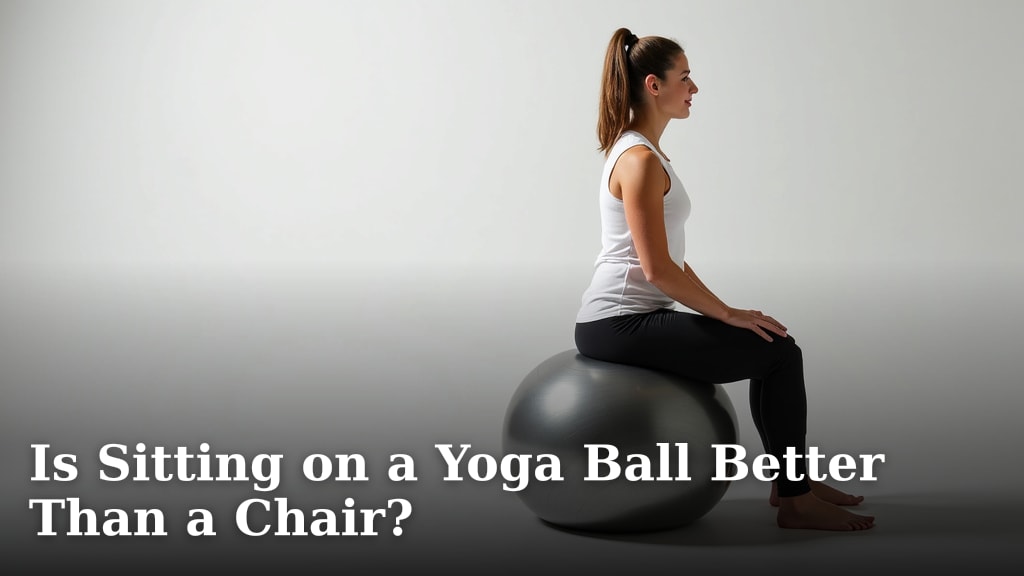
No, sitting on a yoga ball is not always better than a chair, though it offers some unique benefits. While a yoga ball can help with posture and core strength, it also presents challenges like instability and potential discomfort if used improperly.
Many people consider swapping their office chair for a yoga ball to improve their health. We found that it really depends on how you use it and for how long. It’s not a magic fix, and often, a balanced approach is best for your overall well-being.
- Yoga balls offer core engagement.
- Chairs provide more stable support.
- Long-term yoga ball use can cause fatigue.
- Movement is key, regardless of your seat.
- Listen to your body for comfort and health.
Let’s dive into the specifics and explore the pros and cons of using a yoga ball as your primary seating option.
Comparing the Benefits: Yoga Ball vs. Office Chair
You’re probably wondering which option truly supports your body best. It’s not as simple as choosing one over the other. Both have distinct advantages for your health and comfort.
We found that understanding these differences helps you make an informed choice. It’s about finding what works for your unique needs.
The Allure of the Yoga Ball: Core Strength and Posture
Many people are drawn to yoga balls for their promise of a stronger core. When you sit on a yoga ball, your body is constantly making tiny adjustments. This engages your abdominal and back muscles.
This constant engagement can help improve your core strength over time. It’s like a subtle workout while you work. Some research suggests it can activate core muscles more than a traditional chair (National Institutes of Health).
Improved Posture
A yoga ball encourages you to sit upright. There’s no backrest to lean against, so you naturally sit taller. This can lead to better spinal alignment.
Good posture is vital for preventing back pain. It distributes your body weight more evenly. This reduces strain on specific areas of your spine.
Increased Movement
Sitting on a yoga ball promotes micro-movements. You can bounce gently or shift your weight. This slight motion can increase blood circulation. It keeps your body from becoming too stiff. This is often called active sitting.
The Reliability of the Office Chair: Support and Stability
While yoga balls offer movement, traditional office chairs provide stability. They are designed for sustained support. This is especially true for ergonomic chairs.
Ergonomic chairs are built to conform to your body. They offer adjustable features. You can customize the seat height, backrest angle, and armrests. This allows for personalized comfort.
Lumbar Support
Many office chairs come with built-in lumbar support. This cradles the natural curve of your lower back. It helps maintain a healthy spinal position. This is crucial during long sitting periods.
Reduced Fatigue
Sitting on a stable chair requires less muscle effort. Your body isn’t working as hard to balance. This can reduce fatigue, especially over an eight-hour workday.
We found that this reduced effort allows you to focus more on your tasks. You’re not distracted by the need to constantly stabilize yourself.
Potential Drawbacks of Yoga Ball Seating
While yoga balls have benefits, they also come with challenges. It’s important to be aware of these before making a switch. They might not be suitable for everyone or for all situations.
Fatigue and Discomfort
Sitting on a yoga ball for extended periods can be tiring. Your core muscles are always engaged. This can lead to muscle fatigue. You might find yourself slouching after a while. This defeats the purpose of better posture.
We’ve heard from many users that initial enthusiasm often fades. The constant effort becomes uncomfortable. This is particularly true for those new to active sitting.
Lack of Back Support
The absence of a backrest means no support for your upper body. While this encourages good posture, it can also strain your back. If your core muscles aren’t strong enough, you might compensate in unhealthy ways.
This can lead to new aches and pains. It’s a trade-off between active engagement and passive support. Consider your current fitness level before committing.
Safety Concerns
A yoga ball is inherently unstable. There’s a risk of falling off, especially if you get distracted. This could lead to minor injuries. It’s a concern in busy office environments. We found that stability is a key factor for many.
Also, yoga balls don’t usually have armrests. Armrests help support your arms and shoulders. Without them, you might put more strain on your neck and shoulders. This can lead to discomfort over time.
When to Consider a Yoga Ball for Seating
A yoga ball isn’t an all-day solution for everyone. But it can be a fantastic tool when used correctly. Think of it as a supplemental seating option, not a total replacement.
Short Durations and Active Breaks
Using a yoga ball for short periods can be very beneficial. Try sitting on it for 30 minutes to an hour. This gives your core a workout without causing excessive fatigue. Then switch back to your chair.
It’s also great for active breaks. If you feel sluggish, hop on the ball for a few minutes. It can help re-energize you. It promotes movement throughout your workday.
Specific Exercises and Stretching
Yoga balls are excellent for specific exercises. You can do gentle stretches on them. They are perfect for improving balance and flexibility. Many physical therapists recommend them for certain rehabilitation exercises.
You can use it for desk exercises during your breaks. This helps to counteract the effects of prolonged sitting. It keeps your body more limber and active.
Finding the Right Balance for You
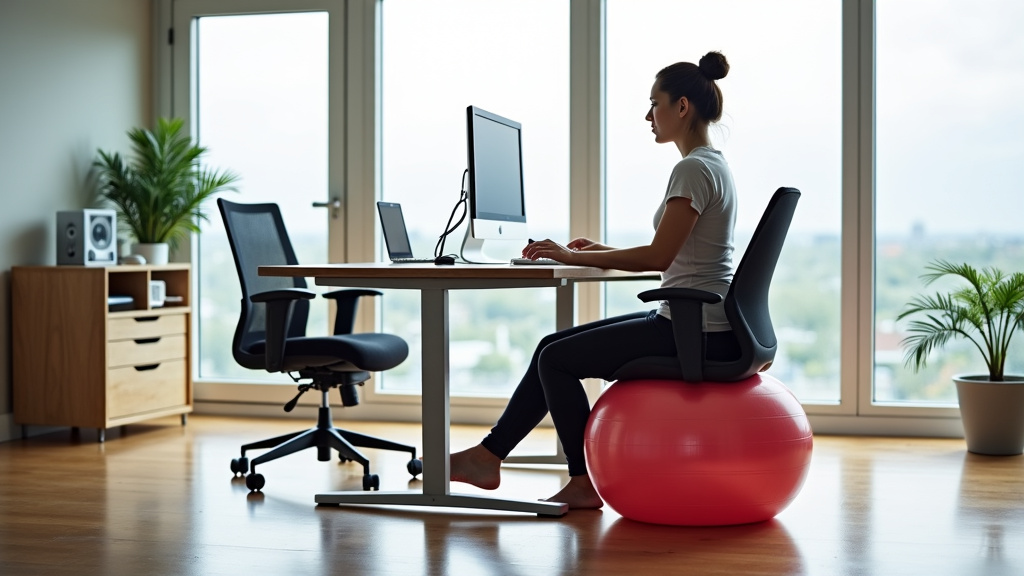
The best approach often involves using both a yoga ball and a traditional chair. This allows you to reap the benefits of each. It helps you avoid the drawbacks of relying on just one.
Hybrid Seating Strategies
Many experts suggest a hybrid approach. For example, use your ergonomic chair for the majority of the day. Then switch to your yoga ball for intermittent periods. This could be 15-30 minutes every couple of hours.
This strategy keeps your body engaged and moving. It also provides necessary support when you need it. It’s about listening to your body’s signals.
Checklist for Choosing Your Seating Strategy
Consider these points when deciding on your optimal seating plan:
- How long do you sit each day?
- Do you have existing back or core issues?
- What is your current core strength level?
- Can you integrate short movement breaks?
- Is your workspace safe for a yoga ball?
- Do you prioritize stability or active engagement?
Key Differences: Yoga Ball vs. Ergonomic Chair
Let’s look at a quick comparison to summarize the main points. This helps clarify when each option shines. We’ve compiled the most important considerations for you.
| Feature | Yoga Ball | Ergonomic Office Chair |
|---|---|---|
| Core Engagement | High (constant micro-adjustments) | Low (passive support) |
| Back Support | None (promotes self-support) | Excellent (adjustable lumbar support) |
| Stability | Low (inherent instability) | High (solid base) |
| Comfort for Long Hours | Low (can cause fatigue) | High (designed for extended use) |
| Promotes Movement | Yes (gentle bouncing, shifting) | Less (encourages static posture) |
| Cost | Low (generally inexpensive) | Variable (can be significant) |
As you can see, each option has its strengths. Your personal preferences and physical needs will guide your best choice. It’s not a one-size-fits-all solution.
Conclusion
You’ve seen that the question of “yoga ball vs. chair” isn’t about one being definitively better. It’s about finding what works best for your body and your workday. We found that a yoga ball offers excellent core engagement and promotes micro-movements, but it lacks the sustained support needed for long hours.
An ergonomic office chair provides stability, crucial lumbar support, and reduces fatigue. The smartest approach is often a hybrid strategy, using both. Listen to your body, experiment with short durations on the yoga ball, and prioritize comfort and movement throughout your day. Your back will thank you for it!
Frequently Asked Questions
Can a yoga ball replace my office chair permanently?
For most people, a yoga ball is not ideal for permanent, all-day seating. It can cause muscle fatigue and lacks consistent back support. We found it’s better used in moderation.
How long should I sit on a yoga ball at my desk?
Start with short intervals, like 15-30 minutes, and then switch back to your ergonomic chair. This allows your core muscles to engage without leading to excessive fatigue or discomfort. Gradually increase the time if it feels good.
Does sitting on a yoga ball really improve core strength?
Yes, research shows that sitting on a yoga ball engages your core muscles more than a traditional chair. Your body makes tiny adjustments to maintain balance, which subtly strengthens your abdominal and back muscles over time.
What size yoga ball do I need for a desk chair?
Choose a yoga ball that allows your hips and knees to be at a 90-degree angle, with your feet flat on the floor. A common rule is that your height determines the size: taller people need larger balls. Check sizing charts carefully.
Are there any safety risks with using a yoga ball as a chair?
Yes, yoga balls are inherently unstable. There’s a risk of falling, especially if you’re distracted or move quickly. They also lack armrests, which can put more strain on your neck and shoulders without proper posture.
