
Why Is My Office Chair Base Wobbly?
Understanding What Makes Your Chair Base Unstable
Your office chair is supposed to be your reliable foundation for the workday. So when it starts to wobble, it feels like your whole world is off-kilter. That annoying side-to-side rock isn’t just distracting; it can cause real discomfort over time. A wobbly base is almost always a sign that something is loose, worn out, or broken underneath you.
Think of it like a four-legged table. If even one leg is shorter or a screw is loose, the whole thing wobbles. Your chair’s base operates on a similar principle. The problem usually originates in a few key areas: the wheels, the gas cylinder, or the mechanism that connects everything. Figuring out which part is the culprit is the first step to getting that solid, stable seat back.
The Most Common Culprits Behind a Wobbly Chair
We’ve done the research, and the diagnosis is clear. The wobble almost always comes from one of these three places. Let’s break them down from the easiest to fix to the more involved.
Worn-Out Casters or Wheels
The wheels are the most likely suspects. They take a beating every day, rolling over carpet fibers, crumbs, and the occasional stray pencil. Over time, the plastic wears down, the bearings inside get gummed up with dust, or they simply become loose in their sockets.
- Visual Check: Are the wheels worn flat on one side? Do they look chewed up? Can you wiggle them by hand?
- The Sound Test: Does the wobble make a grinding or scraping noise? That often points directly to the wheels.
How to Fix Wheel Issues
Often, this is a quick DIY fix. Most office chair wheels pop in and out of their sockets. You can usually pull them straight down with firm, steady pressure. A little force is needed! Once they’re out, clean any hair or debris from the stem. If they’re worn, replacement casters are inexpensive and widely available. Just match the stem size.
A Failing Gas Lift Cylinder
That pneumatic cylinder that lets you adjust your height is under constant pressure. It’s filled with compressed gas, and over years of use, the seals can weaken. This can cause the chair to slowly sink, or it can create a wobble if the internal components are failing. Many guidelines point to a slow sink as the primary sign of cylinder failure, but instability is also common (Mayo Clinic).
Diagnosing the Cylinder
If the chair sinks when you sit on it, the cylinder is likely the issue. For wobble, lock the height adjustment lever. If the chair still rocks up and down, the cylinder may be compressing unevenly. You can also try to twist the cylinder. Excessive play or movement where it meets the base or the seat mechanism is a bad sign.
Loose or Damaged Screws and Mechanism
This is the “check the simple things first” category. The mechanism under your seat is a complex set of plates, levers, and springs held together by bolts and screws. These can vibrate loose over time. A wobble that feels like it’s coming from directly under your seat often points here.
- The Wiggle Test: Hold the base of the chair still. Can you rock the seat itself? If yes, the problem is likely between the seat and the mechanism, or within the mechanism itself.
- Flip It Over: Safely turn the chair upside down. Systematically check every visible screw and bolt you see. Pay special attention to the large central bolt holding the mechanism to the gas cylinder and the bolts attaching the base to the cylinder.
A Step-by-Step Guide to Troubleshooting the Wobble
Don’t just keep living with it. Follow this logical process to isolate the problem. All you’ll likely need is a set of Allen wrenches (often included with the chair) and a screwdriver.
Start with a Basic Inspection
Before you grab any tools, do a hands-on check. Sit in the chair and try to pinpoint where the movement feels like it’s originating. Is it the seat pan rocking on the mechanism? Is the entire base tilting? Jot down your observations.
The Flip-and-Tighten Method
This solves a surprising number of issues. Carefully turn the chair over. Use your tools to tighten every single bolt and screw you can find. Don’t force them, but make them snug. We found that a huge percentage of wobbles are resolved just by re-securing these connections.
Bolt Tightening Sequence
If you’re tightening the base to the mechanism, work in a star pattern, like you would when tightening lug nuts on a car. Do a little bit on one side, then the opposite side, to ensure even pressure.
When It’s Time for a Replacement Part or Professional Help
Sometimes, tightening bolts isn’t enough. If a part is broken or worn beyond use, replacement is your best bet. Many chairs are designed to be repairable.
Identifying the Broken Part
From your troubleshooting, you should have a good idea. If the cylinder is broken, you’ll need a replacement gas lift. If the base itself is cracked (usually where the cylinder inserts), you need a new five-star base. If the metal mechanism is cracked or bent, a full replacement mechanism kit is required.
When to Call a Pro
You can handle most of these fixes at home. However, if you’re not comfortable working with compressed gas cylinders or if the chair has a complex integrated design, consider calling the manufacturer or a local furniture repair service. Safety first, especially with gas cylinders.
Your Quick-Fix Diagnostic Checklist
Use this list to run through the possibilities quickly. Check each item methodically.
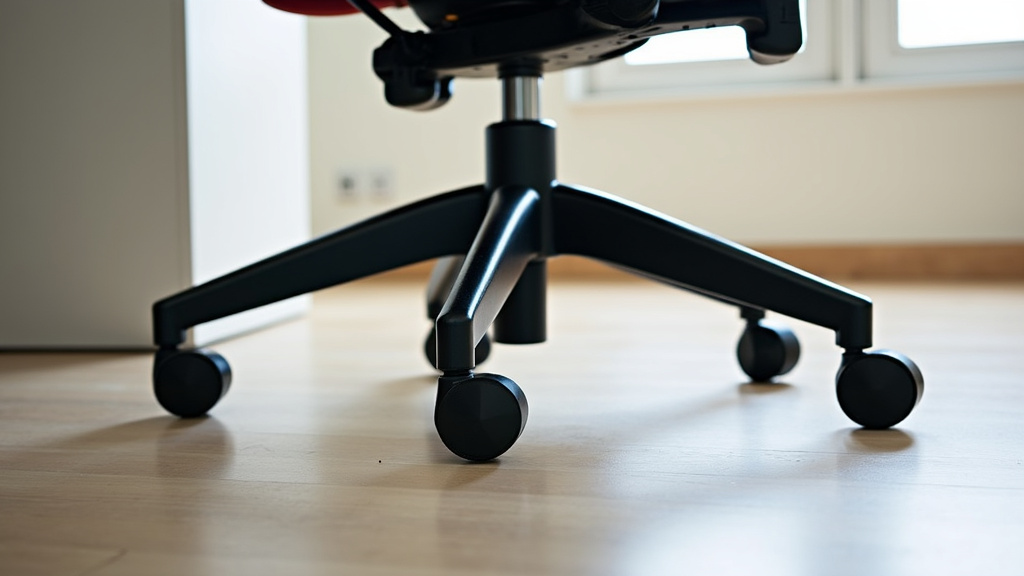
- Wheel Check: Inspect all casters for damage and try to wiggle them. Are they secure and round?
- Bolt Audit: Flip the chair. Check and tighten the base bolts, mechanism bolts, and any other visible screws.
- Cylinder Test: Lock the height lever. Does the chair still sink or have vertical play? Try to twist the cylinder.
- Seat Rock: With the base stationary, try to rock the seat pan side-to-side. Is the movement at the seat-to-mechanism connection?
- Base Integrity: Look closely at the metal base. Are there any visible cracks, especially at the central hub?
How to Prevent a Future Wobbly Chair
An ounce of prevention is worth a pound of cure, as they say. A little maintenance can extend your chair’s stable life for years.
Practice Good Habits
How you treat your chair matters. Avoid plopping down heavily. Don’t use it as a stepladder. Try to roll it smoothly rather than jerking it side to side, which stresses the wheels and base. Be mindful of what you roll over—large crumbs or debris are hard on casters.
Perform Seasonal Maintenance
Every few months, flip the chair over and give the bolts a quick check. Vacuum the wheels to remove hair and dust. This simple 5-minute routine can prevent most wobbles before they start.
| Problem Indicator | Most Likely Cause | Simple Fix |
|---|---|---|
| Chair sinks when sat on. | Gas Cylinder Failure | Replace the pneumatic cylinder. |
| Wobble with a grinding noise. | Worn or Damaged Casters | Pop out old wheels and snap in new ones. |
| Seat rocks, but base is still. | Loose Mechanism Bolts | Flip chair and tighten all seat mechanism bolts. |
| Entire chair tilts unevenly. | Cracked Base or Bent Wheel | Inspect base for cracks; replace damaged individual wheel. |
| Wobble worsens over time. | General Wear & Loose Fasteners | Perform a full bolt tightening and maintenance check. |
Remember, a wobbly chair is usually a fixable chair. Taking 30 minutes to diagnose and address the issue can restore your comfort and focus. You spend a lot of time in that chair—make sure it’s working properly for you.
Conclusion
Fixing a wobbly office chair is usually simpler than you think. You’ve learned the common culprits, from loose bolts to worn wheels or a failing gas cylinder. The diagnostic checklist and step-by-step guide we shared can help you pinpoint the exact issue. Don’t let that annoying rock disrupt your workday or cause you discomfort.
Your next move is clear: set aside 30 minutes today. Grab your Allen wrenches, flip the chair over, and start with a thorough bolt tightening. If the wobble persists, use the troubleshooting steps to identify the broken part. You have the tools and knowledge to make your seat stable and comfortable again.
Frequently Asked Questions
Why does my office chair start wobbling after just a few months?
New chairs can sometimes develop wobbles if bolts weren’t fully tightened at the factory. Frequent use, heavy weight, or rolling over debris can also cause parts to loosen quickly. A quick seasonal check can catch this early.
Can a wobble cause permanent damage to the chair’s gas cylinder?
Yes, persistent wobbling can put uneven stress on the gas cylinder seals. This may accelerate wear, leading to faster sinking or complete failure. Addressing the wobble early protects the cylinder’s lifespan.
Are office chair replacement parts easy to install for a beginner?
Most parts like casters or cylinders are designed for simple DIY replacement. You often just need to pull out the old part and snap or screw in the new one. Many manufacturers provide straightforward guides to help you.
What tools do I really need to fix a wobbly office chair?
For most fixes, you’ll only need a set of Allen wrenches and a Phillips head screwdriver. These are typically included with the chair or available at any hardware store. Having pliers on hand can also help with stuck parts.
How can I tell if my chair’s base is cracked and needs full replacement?
Visually inspect the central hub where the gas cylinder inserts. Look for hairline cracks or bends in the metal star base. If you see any damage, the entire base must be replaced to ensure safety and stability.
