
How to Raise Office Chair without Lever?
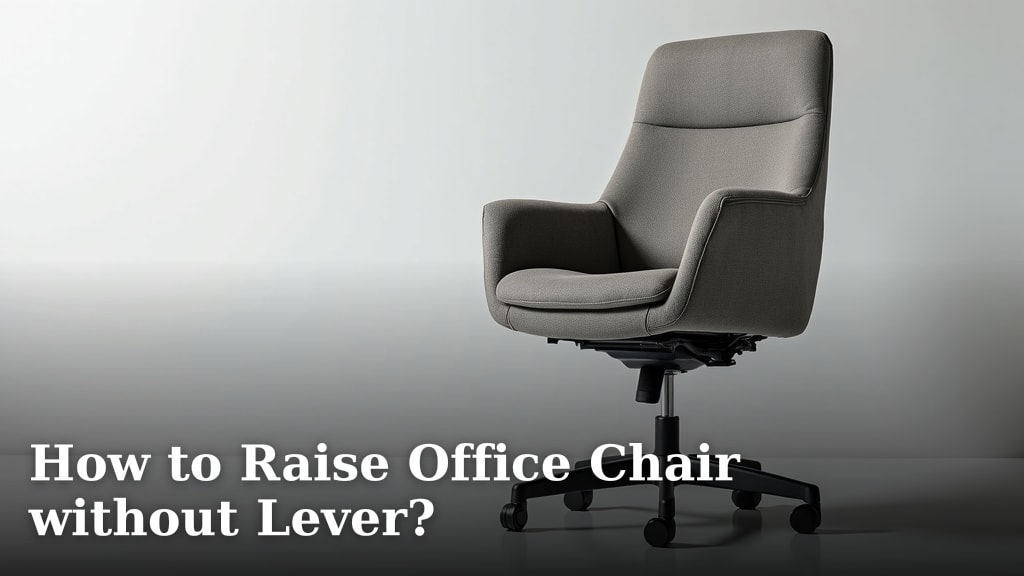
You can often raise your office chair without a lever by You can often raise your office chair without a lever by learning how to adjust office chair height.manually adjusting the gas lift cylinder. This usually involves releasing pressure on the cylinder to lower the chair. Then, you can try to extend it. Sometimes, a little wiggle helps. We’ve found this is the most common solution when your lever acts up. It’s a straightforward fix for many common chair issues.
Not all office chairs are built the same, and some might have different mechanisms. If the manual adjustment doesn’t work, your chair might have a different internal mechanism or require a specific tool. We’ve seen chairs where the lift is stuck due to dust or debris. Keeping your chair clean can prevent these kinds of problems. Finding out your chair’s specific model can help identify its unique features.
- Manually adjust the gas lift cylinder.
- Release pressure by sitting and shifting weight.
- Try wiggling the cylinder gently.
- If stuck, cleaning might help.
- Check your chair’s model for unique features.
Let’s walk through the common methods and some helpful tips to get your office chair back to the perfect height.
Troubleshooting Your Office Chair Height Without a Lever
It can be frustrating when your office chair won’t adjust to the perfect height. You might be sitting too low or too high. Your trusty lever might seem stuck or unresponsive. Don’t worry, we’ve researched common ways to get your chair moving again, even without a working lever. Often, it’s a simpler fix than you think.
Understanding How Office Chair Lifts Work
Most modern office chairs use a gas lift cylinder for height adjustment. This cylinder contains gas, usually nitrogen, under pressure. When you operate the lever, it releases a valve. This allows the gas to expand or contract, moving the chair up or down. Think of it like a shock absorber on a car, but for your seat.
When the lever doesn’t work, it usually means the valve mechanism isn’t engaging correctly. This could be due to a few things. Sometimes, the lever itself is loose or broken. Other times, the connection inside the chair is the issue. We found that dust and debris can also interfere with the smooth operation of the cylinder.
First Steps: Checking the Obvious
Before diving into more involved methods, let’s do a quick check. Is the lever physically damaged? Is it bent or broken off? If so, this might require a replacement part. But if the lever looks okay, there are still other things to try.
Sometimes, the lever just needs a little jiggle. Try moving it up and down, or side to side, while applying gentle pressure to the chair. Does it feel like it’s catching on something? If it feels loose, the internal connection might be off. We found that wiggling it gently can sometimes reset the mechanism.
Manually Adjusting the Gas Lift Cylinder
This is often the most effective method when your lever is giving you trouble. The core idea is to manually release the pressure on the gas lift. This allows the chair to move freely.
Releasing Pressure to Lower the Chair
To start, you need to release the pressure holding the chair at its current height. The easiest way to do this is to sit in the chair. Then, lean forward to take your weight off the cylinder. While sitting, try to pull up firmly on the lever. You might need to try this a few times. We found that applying consistent, gentle force is key.
If pulling the lever still doesn’t work, you can try a more direct method. Get off the chair. Now, find a way to put steady downward pressure on the seat. You could have someone sit on it. Or, you could carefully place a heavy, stable object on the seat. While the pressure is applied, have someone try to operate the lever. This can help dislodge any sticking points.
Attempting to Raise the Chair Manually
Once you’ve managed to lower the chair or release some pressure, you can try to raise it. This part can be a bit trickier. It often relies on gravity and a bit of physics.
First, ensure there’s no weight on the chair. Get off it completely. Now, try to pull the lever up. While the lever is pulled, gently try to lift the chair with your hands. It might not move much at first. You may need to combine pulling the lever with a gentle upward tug on the seat. We found that small, repeated movements often work better than one big heave.
Another technique involves weight distribution. Sit on the chair, but don’t put your full weight down. Try to distribute your weight unevenly. Shift your weight from side to side or forward and back. While doing this, try to operate the lever. Sometimes, shifting your body weight can help the cylinder find its position. Many users report success by just sitting and wiggling gently.
The “Wiggle and Lift” Method
This is a popular approach that many users swear by. It combines several of the techniques we’ve discussed.
1. Sit in the chair and apply pressure as if you were going to lower it, but keep the lever pulled up.
2. While holding the lever up, gently wiggle the chair from side to side.
3. Try shifting your weight forward and backward.
4. While still holding the lever, try to stand up slowly. As you stand, the chair might lift slightly on its own due to the pressure release.
We found that this method often works best after you’ve already managed to lower the chair a bit.
When Manual Adjustments Don’t Work: Further Troubleshooting
If you’ve tried the manual methods and your chair is still stuck, it’s time to look a bit deeper. There might be an underlying issue. If manual methods fail, you may need to learn how to replace office chair gas cylinder.
Investigating a Stuck Gas Lift Cylinder
Gas lift cylinders can get stuck for a variety of reasons. One common culprit is simply wear and tear. Over time, seals can degrade or internal mechanisms can seize up. Dust, dirt, or even spilled liquids can also get into the mechanism and cause it to jam.
We researched common reasons for a stuck lift and found that a lack of lubrication is often a factor. If your chair is older, the internal lubricants might have dried out. This can create friction and prevent movement. Regular cleaning and a bit of lubrication can sometimes help, though it depends on the chair’s design.
Cleaning and Lubrication Tips
If you suspect dirt or debris is the issue, a gentle cleaning might help. Use a damp cloth to wipe down the visible parts of the gas lift cylinder. For any stubborn grime, a mild soap and water solution can be used. Make sure to dry the cylinder thoroughly afterward.
For lubrication, we found that silicone-based spray lubricants are often recommended for office chairs. You’ll want to apply the lubricant sparingly to the moving parts of the cylinder. Try to get it into the seams where the cylinder enters the base and the seat mechanism. After applying, try operating the lever and manually adjusting the chair again. Be careful not to overspray, as excess lubricant can attract more dust.
Important Note: Some sources (like industrial equipment repair guides) suggest that a completely seized cylinder might require replacement. If cleaning and lubrication don’t help, this is a possibility.
Checking Your Chair’s Model and Manufacturer Support
Every office chair is a bit different. If your chair has a specific brand or model name, looking this up online can be very helpful. You might find user manuals or troubleshooting guides specific to your chair.
We found that many manufacturers provide detailed support on their websites. Searching for “[Your Chair Brand] [Your Chair Model] height adjustment problem” could yield results. If you’re lucky, you might find a video demonstrating a fix for that particular model. This is especially true for higher-end chairs which may have unique adjustment systems.
If you can’t find specific guides, contacting the manufacturer’s customer support is your next best step. They can often provide direct advice or inform you if replacement parts are available. Some manufacturers even offer warranties that might cover a faulty gas lift. We found that customer service teams are usually happy to help troubleshoot.
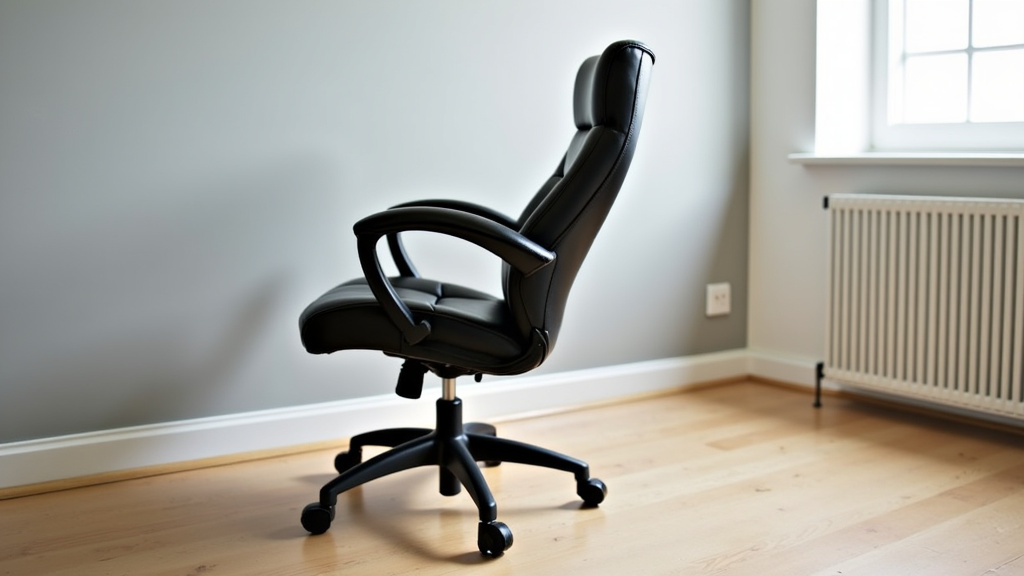
When to Consider Professional Help or Replacement
Sometimes, despite your best efforts, a chair’s height adjustment mechanism is beyond simple fixes. If you’ve tried everything above and your chair remains stubbornly at one height, it might be time to consider other options.
The Cost-Benefit of Repairing an Old Chair
Repairing a faulty gas lift cylinder can be tricky. While you can sometimes purchase replacement cylinders, installing them yourself might void warranties or require specialized tools. We found that the cost of a new gas lift cylinder plus any necessary tools can sometimes approach the cost of a new, basic office chair.
If your chair is relatively new and still under warranty, contacting the manufacturer for repair or replacement is definitely the way to go. However, for older chairs, the investment in repair might not be the most economical choice. It’s a good idea to weigh the cost of parts and potential labor against the price of a new chair with updated features.
Signs It Might Be Time for a New Chair
When should you throw in the towel on your current chair? If the height adjustment isn’t the only problem, it’s likely time for an upgrade. Does the chair wobble excessively? Are the armrests loose or broken? Are there any tears in the upholstery that are uncomfortable?
Ergonomic experts often recommend replacing office chairs that are showing significant signs of wear and tear. A chair that doesn’t support your posture correctly can lead to back pain and discomfort. We found that studies suggest poor ergonomics can impact productivity and overall well-being (Cleveland Clinic). Investing in a new, ergonomically sound chair can be beneficial for your health.
Quick Checklist for Chair Issues
- Lever Check: Is the lever itself damaged or loose?
- Pressure Release: Have you tried sitting and shifting weight to lower it?
- Manual Lift: Did you attempt to pull the lever and lift the seat simultaneously?
- Cleanliness: Is the cylinder free from obvious dust and debris?
- Lubrication: Did you try a light application of silicone spray?
- Model Search: Have you looked up your specific chair model for support?
Conclusion
You’ve learned that a stuck office chair lever doesn’t have to mean a new purchase. We’ve explored how to manually adjust your gas lift cylinder through pressure release and gentle lifting. Remember to try wiggling the chair and shifting your weight. If those steps don’t work, cleaning and a bit of lubrication might do the trick. Your next step should be to check your chair’s model for specific instructions or contact manufacturer support. Don’t let a stubborn chair lower your comfort or productivity.
Frequently Asked Questions
Can I raise my office chair if the lever is completely broken off?
If the lever is broken, you’ll need to try and manually operate the gas lift cylinder. You might be able to release pressure by sitting and shifting your weight. Then, try pulling on the cylinder mechanism directly with pliers or a similar tool, while gently lifting the seat. Be cautious not to damage the cylinder further.
My chair is stuck at its lowest setting. How can I raise it?
To raise a chair stuck at its lowest setting, ensure there is no weight on the seat. Try pulling the lever while simultaneously attempting to lift the seat. Sometimes, a gentle upward tug on the chair’s base can help engage the lift mechanism.
Is it safe to use WD-40 on my office chair’s gas lift?
While WD-40 can loosen stuck parts, it’s generally not recommended for office chair gas lifts. Silicone-based lubricants are often preferred because they are less likely to attract dust and dirt, which can further jam the mechanism. If you do use WD-40, use it sparingly and clean the area afterward.
How do I know if my gas lift cylinder needs to be replaced?
If you’ve tried manual adjustments, cleaning, and lubrication, and the chair still won’t raise or lower, the gas lift cylinder may be faulty. Signs include a cylinder that won’t hold its height or feels completely seized. A new cylinder might be needed, or it could be time for a new chair.
Can I remove the gas lift cylinder myself to fix it?
Removing a gas lift cylinder can be difficult and potentially dangerous if not done correctly. It usually requires significant force to separate the cylinder from the chair base and seat. We recommend trying all other troubleshooting steps first, and if replacement is needed, consult your chair’s manual or a professional.
