
How to Lower Office Chair without Lever?
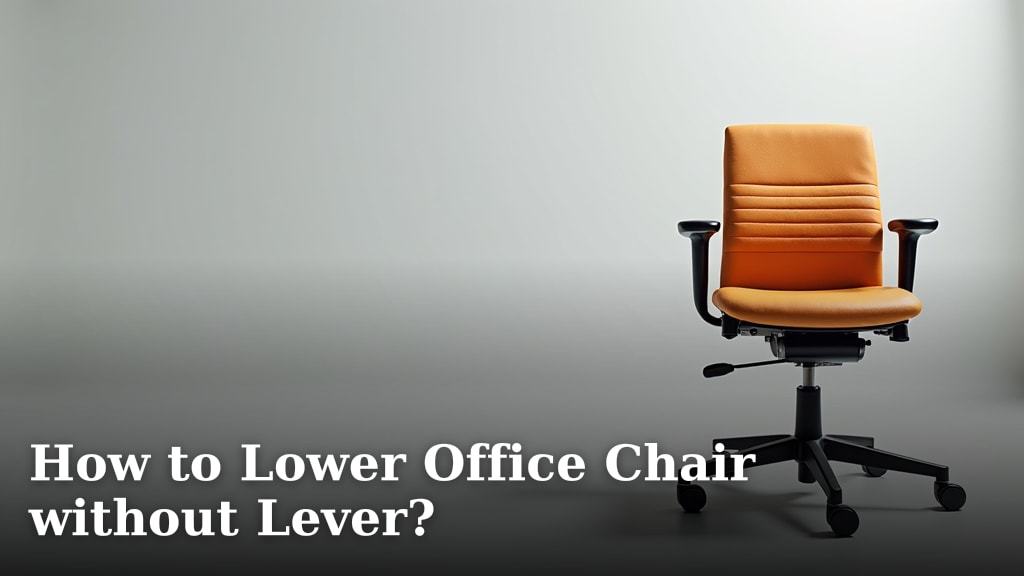
You can often lower an office chair without a lever by carefully tilting it back and then pressing down firmly on the seat. This method works because it often releases a pressure-activated mechanism. For chairs with a hidden or stuck lever, gentle wiggling while applying pressure can help. Remember, forcing it can cause damage, so a gentle approach is best for lowering your office chair.
Sometimes, your chair might feel a bit too high, even when you think it’s at its lowest setting. This can be frustrating when you’re trying to get comfortable at your desk. We found that many office chairs use a specific type of gas lift that responds to a combination of weight and downward force. Understanding this mechanism is key to adjusting your seat height effectively.
- Lower your chair by applying firm downward pressure on the seat.
- Tilt the chair back slightly to help release the mechanism.
- Wiggle the seat gently if the adjustment is stiff.
- Avoid excessive force to prevent damage.
- Consider if your chair’s mechanism is simply stuck.
Let’s walk through the common ways you can adjust your office chair’s height when the lever isn’t cooperating.
Adjusting Your Office Chair Height Without a Lever
Many office chairs have a gas lift mechanism. This system relies on gas pressure to hold your chair at a certain height. Sometimes, this mechanism can get a little stubborn. You might find yourself needing to lower your chair but the lever isn’t cooperating. Don’t worry, there are still ways to get your seat to the right level for comfortable work.
We’ve found that often, the chair simply needs a little help to release the tension. It’s usually not a broken part. Instead, it’s about understanding how the chair is designed to work. This means using your own weight and a bit of strategic movement. We’ll guide you through some simple steps to get that chair lowered.
Understanding Your Chair’s Gas Lift Mechanism
Most modern office chairs use a gas lift cylinder. This cylinder contains compressed gas, usually nitrogen. A valve inside controls the flow of this gas. Pushing down on the seat compresses the gas, and releasing it allows the gas to expand. This expansion is what raises the chair. The lever you usually use is designed to open that valve.
When the lever isn’t working, it often means the valve isn’t opening as expected. This can happen due to a few reasons. Sometimes, it’s just a buildup of pressure or a slight misalignment. We’ve found that applying downward force while manipulating the chair can help reset this pressure. It’s like gently coaxing a stubborn lock to open.
The Weight and Tilt Method
This is the most common and effective method when your lever is being difficult. It relies on your body weight and a slight tilt. You’ll want to apply firm, steady pressure downwards. This helps engage the mechanism correctly.
Step-by-Step Lowering Process
First, find a comfortable seated position on your chair. Make sure you are sitting fully on the seat.
Next, lean back slightly in your chair. This often helps to release the pressure on the gas lift. You’re not trying to recline fully, just a gentle tilt.
While maintaining that slight recline, press down firmly on the seat with your hands. You might need to use your body weight to push down effectively. The goal is to apply consistent downward force.
Keep pressing down. You might hear a faint hiss or click. This is a good sign that the mechanism is releasing. Slowly, your chair should start to lower.
Once it’s at the desired height, release the pressure. Remove your hands from the seat. You can then sit up straight. Your chair should now stay at the new, lower height.
Tips for Success with the Weight and Tilt Method
Patience is key. Sometimes it takes a few tries. Don’t get discouraged if it doesn’t lower immediately.
Use steady pressure. Jerky movements might not work as well. A consistent, firm push is usually more effective.
Ensure you’re sitting properly. Your full weight should be on the seat for the mechanism to respond.
We found that some chairs respond best to a quick, firm push rather than sustained pressure. Experiment a little with the amount of force.
Addressing a Stuck or Hidden Lever
What if the lever itself is the problem? It might feel stiff, or perhaps you can’t even find it. In these cases, gentle manipulation can help. Forcing a lever can easily snap it. We want to avoid that at all costs.
Wiggling the Lever
If you can locate the lever but it feels stuck, try wiggling it gently. Move it up and down slightly while applying downward pressure on the seat. The combination of movement and weight can sometimes dislodge it.
Imagine the lever is just a bit jammed. A little jiggling can often free it up. You’re not trying to break it, just loosen it.
Finding a Stubborn Lever
Sometimes, levers are hidden under a plastic cover or are very sleekly designed. Look carefully under the seat. Check along the edges and where the seat meets the base. If you’re still unsure, consult your chair’s manual if you have it.
If you suspect the lever is broken, this is where the weight and tilt method becomes even more important. You’re bypassing the lever entirely.
When to Seek Professional Help or Consider Replacement
If you’ve tried the weight and tilt method multiple times with no success, your gas lift cylinder might be completely faulty. This is more common with older chairs or those that have seen heavy use.
Many office chair parts, including gas lift cylinders, are replaceable. If your chair is still under warranty, contact the manufacturer. They might send you a replacement part.
If the chair is out of warranty, you can often purchase a replacement cylinder online. Replacing it yourself is usually a manageable DIY project. You’ll need to support the chair base and the old cylinder while you remove it. Many tutorials can guide you through this process. However, if you’re not comfortable with that, a local furniture repair shop might be an option.
If the cost of repair or replacement is high, it might be time to consider a new chair. Keeping your body properly supported is important for your health. Poor posture can lead to back pain and other issues. Research shows that ergonomic support can significantly reduce discomfort (Cleveland Clinic).

Preventative Measures for Your Chair’s Mechanism
To keep your chair’s gas lift functioning smoothly, simple maintenance helps. Avoid slamming down on the seat. Regular use, with proper technique, is better than infrequent, forceful adjustments.
Keep the chair clean, especially around the base and cylinder. Dust and debris can sometimes interfere with moving parts. A quick wipe-down can go a long way.
If your chair starts feeling a bit stiff, try the weight and tilt method periodically, even if you don’t need to lower it. This can help keep the mechanism from seizing up.
Quick Checklist for Lowering Your Chair
- Sit fully on the chair seat.
- Gently tilt the chair back.
- Apply firm, downward pressure on the seat.
- Wiggle the lever slightly if it feels stuck.
- Be patient; it may take a few attempts.
- Avoid excessive force to prevent damage.
When Lowering Isn’t the Only Issue
Sometimes, a chair might not go low enough, or it might not stay at the desired height. These issues often point to a failing gas lift cylinder. If your chair is constantly sinking, the cylinder has likely lost its pressure.
When your chair won’t go low enough, it might be that the cylinder is at its minimum extension. However, if you suspect it’s not working correctly, the weight and tilt method is still your best bet to try and gain some extra height reduction.
It’s important to have your chair at the correct height for your desk. Your feet should be flat on the floor, and your arms should be at a 90-degree angle when typing. This ergonomic setup is vital for comfort and productivity. It’s important to have your chair at the correct height for your desk. Our guide explains the ideal ergonomic setup for comfort and productivity.
Conclusion
You’ve learned that lowering your office chair without a cooperating lever is often achievable. The key is usually applying firm downward pressure on the seat, often combined with a slight tilt back. This method works by engaging the chair’s weight-sensitive gas lift mechanism directly. Remember, a gentle approach is best to avoid any damage. If these steps don’t work after a few tries, your gas lift might need replacement. For now, try the weight and tilt method again, being patient. Your comfort at your desk is worth the effort!
Frequently Asked Questions
What if my office chair won’t lower at all?
If your chair won’t lower using the weight and tilt method, the gas lift cylinder might be faulty or completely out of pressure. You may need to consider replacing the cylinder, especially if the chair is older or heavily used.
Can I damage my chair by trying to force it down?
Yes, you can. Forcing the lever or the seat mechanism can cause parts to break or bend, leading to permanent damage. Always use gentle, steady pressure and avoid sudden, harsh movements.
How often should I lower my office chair?
You only need to lower your chair when you are adjusting it to the correct height for your desk. Making frequent, forceful adjustments isn’t necessary and can wear out the mechanism faster.
My lever feels stuck, what should I do?
Try gently wiggling the lever up and down while applying downward pressure on the seat. Sometimes, a little jiggling combined with your weight can help release a stiff or stuck lever mechanism.
Is it safe to sit on the chair while trying to lower it?
Yes, it’s generally safe and recommended. Your body weight is often essential for engaging the mechanism correctly. Just make sure you are seated properly and applying pressure as described in the steps.
