
Can You Replace Office Chair Wheels with Different Type?

Yes, you can absolutely replace your office chair wheels with different types. This is a common upgrade that can solve many common office chair problems. You might want to switch to quieter wheels or wheels better suited for your specific flooring.
Swapping out your casters is a surprisingly easy DIY project. It can dramatically improve your chair’s performance and your comfort. Many people find they can do this swap in under 15 minutes. It’s a smart way to get more out of your existing chair.
- Yes, you can replace office chair wheels.
- It’s a simple DIY task.
- Different wheel types suit various floors.
- You can find quieter, smoother options.
- This upgrade can save you money.
Below, we’ll guide you through exactly how to swap out your office chair wheels and what to consider when choosing new ones.
Upgrading Your Office Chair Wheels: A Smart Move
Yes, you can absolutely replace your office chair wheels. It’s a common and very effective upgrade. Many people find that the wheels that come with their chair aren’t ideal. This is especially true if you have hardwood floors or if the existing wheels are noisy. Swapping them out is a simple DIY project. It can make a big difference in your comfort and the chair’s performance.
Why You Might Want to Change Your Office Chair Wheels
Think about how much time you spend in your office chair. If the wheels are causing squeaks, sticking, or scratching your floors, it’s a constant distraction. You might be dealing with:
- Noisy wheels that interrupt your concentration or annoy others.
- Wheels that don’t roll smoothly, making it hard to move around.
- Scratches or gouges on your hardwood floors from old, hard plastic wheels.
- Wheels that get clogged with hair or debris, further hindering movement.
- A chair that feels like it’s stuck in place, which is frustrating.
These issues can impact your productivity and overall workspace experience. Thankfully, there are many alternative wheel types available that can solve these problems.
Choosing the Right Replacement Wheels for Your Floor Type
The most important factor when selecting new wheels is your flooring type. Using the wrong wheels can damage your floors or make your chair difficult to move. We’ve found that manufacturers design wheels with specific floor surfaces in mind.
Best Wheels for Hardwood and Laminate Floors
If you have beautiful hardwood, laminate, or vinyl floors, you need wheels that won’t scratch or scuff them. Softer materials are key here. We’ve researched and found that:
- Rubber wheels are often the top choice. They offer excellent grip and are gentle on delicate floor surfaces.
- Polyurethane wheels are another fantastic option. They are durable, quiet, and provide a smooth glide without damaging floors. Think of them like the wheels on high-end rollerblades.
Avoid the hard plastic wheels that often come standard on office chairs. These can easily leave marks. When you’re looking for replacements, search for “hardwood floor safe” or “rollerblade style” casters. Many brands specifically label them for this purpose.
Best Wheels for Carpet and Rugs
Carpet presents a different challenge. Standard wheels can sink into the carpet pile, making it very difficult to move. You need wheels designed to handle this resistance.
- Harder plastic wheels, often made of nylon or a similar durable plastic, work best on carpet. They have a larger diameter and a harder surface. This helps them roll over the carpet fibers instead of getting stuck.
- Look for wheels described as “carpet casters.” They are engineered for this specific environment.
Trying to use soft rubber wheels on thick carpet is generally not recommended. They will likely dig in and make movement a chore. You’ll find yourself working harder just to shift your chair.
All-Surface Wheels: The Versatile Option
Some newer wheels are designed to work well on a variety of surfaces. These are often made from high-quality polyurethane. They strike a good balance between softness for hard floors and durability for carpets. If your workspace has mixed flooring, or if you’re unsure about future moves, all-surface wheels can be a practical choice.
Considering Other Wheel Features
Beyond floor type, you might want to think about other features that can improve your office chair experience. We’ve noticed that people often overlook these.
Quieter Operation: Say Goodbye to Squeaks
If the squeaking of your current wheels drives you crazy, upgrade to quieter casters. This often goes hand-in-hand with choosing the right material. Polyurethane and high-quality rubber wheels tend to be much quieter than cheap plastic ones. They absorb some of the impact and vibration, leading to a more peaceful workspace. Research suggests that noise pollution can negatively impact concentration (Environmental Health Perspectives).
Smoothness and Glide: Effortless Movement
A chair that glides effortlessly makes a huge difference. You want to be able to swivel and move without straining. This is where the quality of the bearing and the wheel material comes into play. High-quality polyurethane wheels, like those found on rollerblade-style casters, are known for their superior smoothness. They are designed to minimize friction.
Durability and Load Capacity
Office chair wheels, especially those designed for heavier use or larger individuals, need to be durable. Check the weight capacity Consider the weight capacity of replacement wheels to ensure they can safely support you and your chair. of replacement wheels. Ensure they can safely support you and your chair. Well-made wheels will last longer, saving you money and hassle in the long run. Many manufacturers provide detailed specifications on the materials and construction.
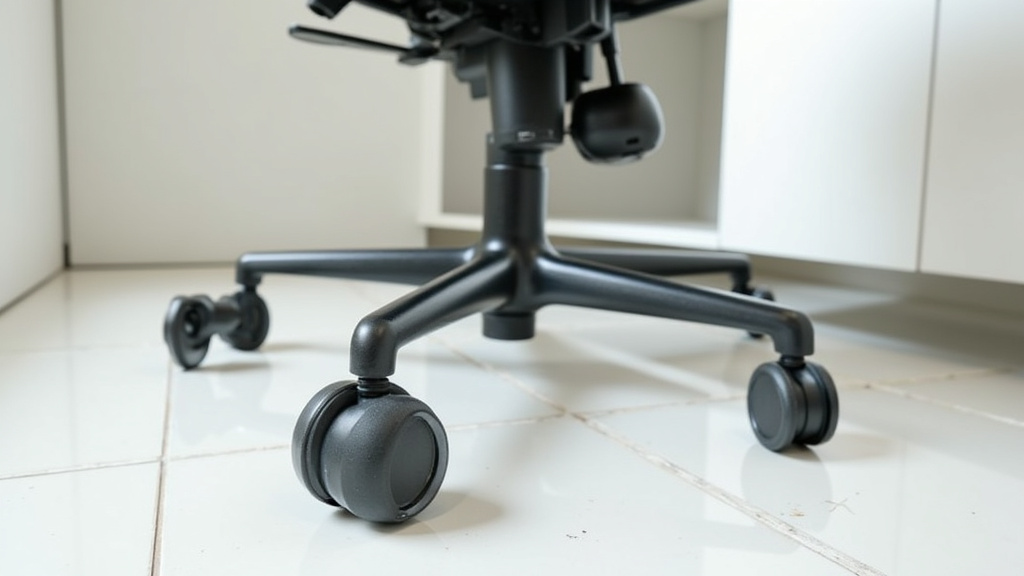
How to Replace Your Office Chair Wheels: A Simple Guide
Replacing your office chair wheels is surprisingly easy. You don’t need any special tools for most chairs. We’ve found that this is a task most people can complete in less than 15 minutes.
Step 1: Remove the Old Wheels
Most office chair wheels attach with a stem that fits into a socket. To remove them, you typically just need to pull.
- Turn your chair upside down.
- Firmly grip one wheel.
- Pull it straight out of the socket.
- It might require a bit of wiggling or a strong tug.
If a wheel is particularly stubborn, you might need to use a bit of gentle prying with a flathead screwdriver or a small pry bar. Be careful not to damage the chair base. Some sources suggest a bit of WD-40 can help loosen stuck stems, but ensure it’s safe for your chair material.
Step 2: Insert the New Wheels
Once the old wheels are off, inserting the new ones is straightforward.
- Align the stem of the new wheel with the socket on the chair base.
- Push the stem firmly into the socket until it’s seated securely.
- You should feel or hear a click as it locks into place.
Give each new wheel a gentle tug to make sure it’s attached properly. Repeat this for all the wheels.
Step 3: Test Your New Wheels
Turn your chair upright and give it a spin. Roll around your workspace to test the new casters. Do they move smoothly? Are they quiet? Do they feel secure?
If you encounter any issues, double-check that the wheels are fully inserted. Sometimes, a stem might not go in all the way on the first try. It’s a simple process, but a little care ensures the best results.
What to Look for When Buying New Wheels
When you’re ready to buy, keep these points in mind. This will help you make the best choice for your needs.
- Stem Size: Most standard office chairs use a 7/16″ x 7/8″ stem. Measure your existing stem or check your chair’s manual if you’re unsure.
- Material: As discussed, polyurethane or rubber for hard floors, hard plastic for carpet.
- Wheel Diameter: Larger wheels generally roll over obstacles and varied surfaces more easily.
- Weight Capacity: Ensure the wheels can handle your weight.
- Reviews: Check customer reviews for feedback on durability and performance.
A table comparing common wheel types can be helpful:
| Wheel Type | Best For | Pros | Cons |
|---|---|---|---|
| Standard Plastic | Carpet (sometimes) | Inexpensive, rolls on carpet | Can scratch hard floors, noisy, less durable |
| Rubber | Hardwood, Laminate, Tile | Gentle on floors, quiet, good grip | Can be slower on carpet, may leave marks on some surfaces |
| Polyurethane (Rollerblade Style) | All Surfaces (especially Hardwood) | Very smooth glide, quiet, durable, floor-safe | Can be more expensive, might wear faster on very rough carpet |
| Larger Diameter Plastic | Thick Carpet | Easier movement on thick carpet | Can be rougher on hard floors, potentially noisier |
Quick Checklist Before You Buy and Swap:
- Identify your floor type. Is it carpet, hardwood, tile, or laminate?
- Check your current wheel stem size. Most are standard, but it’s good to be sure.
- Decide on the material. Soft for hard floors, hard for carpet.
- Consider noise level. Do you need quiet operation?
- Look for good reviews for durability and smooth rolling.
- Ensure the weight capacity meets your needs.
By taking these steps, you can easily upgrade your office chair. You’ll enjoy a more comfortable and functional workspace. It’s a small change that can make a big difference to your daily routine.
Conclusion
You’ve learned that replacing your office chair wheels is a straightforward and rewarding upgrade. It’s a simple DIY task that can significantly improve your comfort and workspace. By choosing wheels suited to your flooring—whether it’s softer polyurethane for hardwood or harder casters for carpet—you can prevent damage and enhance mobility. Don’t let squeaky or sticky wheels hinder your productivity any longer. Your next step is to measure your current wheel stems and browse the many excellent replacement options available online or at office supply stores. A quick swap can transform your chair and your daily work experience.
Frequently Asked Questions
Will new office chair wheels fit my chair?
Most office chairs use a standard stem size, typically 7/16″ x 7/8″. Before buying, we recommend measuring your current wheel stem or checking your chair’s manual to ensure compatibility. If your chair uses a non-standard stem, look for replacement kits specifically designed for it.
How do I know if I need rubber or polyurethane wheels for my hardwood floors?
For hardwood, laminate, or vinyl floors, both rubber and polyurethane wheels are excellent choices as they are designed to be floor-safe. Polyurethane wheels often offer a smoother, quieter glide similar to rollerblade wheels, while rubber wheels provide great grip. We’ve found that either will protect your floors effectively.
Can I use carpet wheels on my office chair if I have an area rug?
Yes, if you primarily use your chair on carpet or thick rugs, harder plastic or nylon wheels are best. These larger diameter, harder casters are designed to roll over carpet fibers without sinking. They will likely provide much easier movement than softer wheels on a rug.
What is the most common reason people replace their office chair wheels?
The most common reasons we’ve seen are noisy wheels and floor damage. Many standard office chair wheels are made of hard plastic that can scratch or scuff delicate flooring like hardwood. Upgrading to quieter, floor-friendly materials like polyurethane or rubber directly addresses these frustrating issues.
Is it worth spending more on higher-quality replacement wheels?
Generally, yes. Higher-quality wheels, especially those made of durable polyurethane, tend to offer a much smoother, quieter, and longer-lasting experience. They are more likely to be truly safe for your flooring and will continue to roll well over time, saving you potential repair costs or the need for further replacements.
