
What Is the Ideal Office Chair Seat Depth?

The ideal office chair seat depth is generally about 2-4 inches between the front edge of the seat and the back of your knees when you’re sitting upright. This ensures proper leg circulation and comfort. Getting the seat depth right is key to avoiding back pain and discomfort during long workdays. It’s a simple adjustment that can make a huge difference.
Finding the right office chair seat depth is more than just a number; it’s about supporting your body correctly. Too deep, and you might slouch or experience pressure behind your knees. Too shallow, and you won’t have enough thigh support, leading to fatigue. We found that a properly adjusted seat depth helps maintain good posture and reduces strain on your legs and lower back. Chairs with adjustable seat depth offer a more customized fit for your body.
- The ideal seat depth leaves 2-4 inches behind your knees.
- This prevents pressure and promotes good circulation.
- Proper depth supports your thighs and encourages good posture.
- It’s a simple step for better comfort and reduced pain.
Ready to find your perfect fit? Let’s dive into how you can measure and adjust your office chair’s seat depth to feel so much better throughout your workday.
Getting Your Office Chair Seat Depth Just Right
You might be wondering, “What’s the big deal about seat depth?” Well, it’s a simple adjustment that has a massive impact on your comfort and health. When your office chair seat depth is incorrect, it can lead to a whole host of issues. These range from minor annoyances like leg numbness to more serious concerns like lower back pain. We want to help you find that sweet spot for your workday. An incorrect seat depth can lead to a variety of discomforts and health issues.
Why Seat Depth Matters So Much
Think of your office chair as your partner for the workday. It needs to fit you perfectly. If it doesn’t, it’s like wearing shoes that are too tight all day – pretty uncomfortable, right? The seat depth is one of the most critical measurements. It directly affects how well your chair supports your body. We found that a good seat depth can prevent many common workday aches and pains.
The Problem with Too-Deep Seats
When a seat is too deep for your legs, your knees might not bend at a comfortable angle. This can push you forward, causing you to slouch. Slouching puts a lot of extra strain on your spine. Also, the edge of the seat might dig into the back of your knees. This is where your leg’s blood vessels and nerves are. Constant pressure here can cause tingling, numbness, or even circulatory problems over time. Many office workers don’t realize their chair is contributing to their discomfort.
The Downside of Seats That Are Too Shallow
On the flip side, if the seat is too shallow, your thighs won’t get enough support. You need your thighs to be supported from your knees all the way to your glutes. When they aren’t, your leg muscles have to work harder to keep you stable. This leads to fatigue in your legs and can also make your back muscles tense up. You might find yourself shifting around a lot, trying to find a comfortable position that just doesn’t exist. We’ve heard from many people who experience this exact frustration.
How to Measure for Your Ideal Seat Depth
So, how do you actually figure out what the right depth is for you? It’s a pretty straightforward process. You don’t need any fancy tools, just yourself and your chair. We recommend doing this while you’re sitting in your chair.
The Simple Measurement Technique
Here’s the best way to check your current seat depth and see if it’s right for you. Sit all the way back in your chair. Make sure your back is against the backrest. Now, slide your hand, palm down, between the front edge of the seat and the back of your knees. You want to feel for the gap.
What You’re Looking For
The goal is to have about 2 to 4 fingers of space between the edge of the seat and the soft part of your leg behind your knees. Many ergonomists suggest a three-finger gap as a good starting point (Mayo Clinic). If you can fit more than four fingers comfortably, your seat is likely too deep. If you can barely fit one finger, or none at all, it’s too shallow. This simple test tells you a lot.
Understanding Adjustable Seat Depth
The good news is that most good quality office chairs have adjustable seat depth. This feature is sometimes called a “sliding seat” or “seat slide.” It allows you to move the seat pan forward or backward. This is a game-changer for finding a custom fit. You’ll often find a lever or button under the seat to control this adjustment.
How to Adjust Your Seat Depth
To adjust your seat, first, find the lever. It’s usually on the side or front of the seat. You might need to lift the lever while seated to unlock the seat pan. Gently shift your body forward or backward to move the seat to the desired position. Once you’ve found the right gap behind your knees, lock the lever back into place. Make sure it clicks or feels secure. Then, re-do the finger test to confirm. We found that making this small adjustment can dramatically improve your comfort.
Factors That Influence Your Perfect Seat Depth
While the 2-4 inch rule is a great guideline, a few personal factors can slightly change what feels best for you. Your body is unique, and so is your perfect chair setup. Don’t be afraid to experiment a little to find what truly works.
Your Leg Length Plays a Role
People come in all shapes and sizes. Someone with longer legs might need a slightly deeper seat, while someone with shorter legs might need it shallower. Even with an adjustable chair, you might find you prefer the seat slid further forward or back than someone else. It’s all about what supports your body properly.
The Type of Work You Do
Do you lean forward a lot for tasks? Or do you mostly sit upright? If you frequently lean forward, you might want a seat depth that allows your thighs to remain well-supported without feeling cramped. If you tend to sit back, ensuring that back-of-knee clearance is key. We found that people who do detailed work often prefer a slightly shallower setting for better maneuverability.
Your Personal Comfort Preferences
Ultimately, your comfort is the deciding factor. Some people just feel better with a little more or a little less thigh support. Trust your body’s signals. If an adjustment feels right and reduces strain, it’s probably the right adjustment for you. Don’t be afraid to tweak it until it feels perfect.
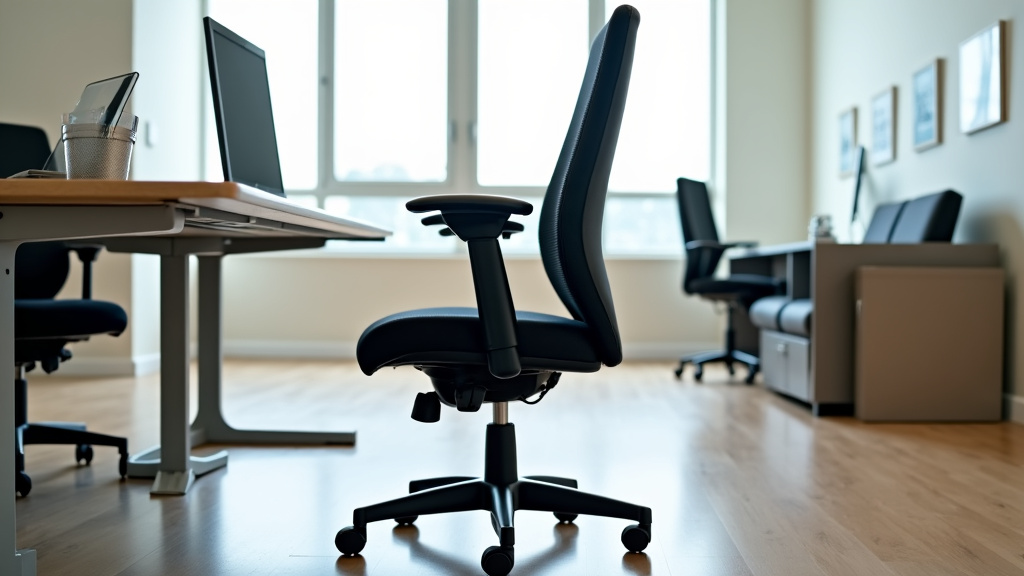
A Quick Checklist for Your Chair Setup
Getting your chair dialed in is essential for a comfortable workday. Here’s a quick checklist to ensure you’re on the right track:
- Feet Flat on the Floor: Ensure your feet can rest flat on the floor when your seat is at the correct height.
- Knees at 90 Degrees: Your knees should be bent at roughly a 90-degree angle.
- Back Support: Your lower back should be comfortably supported by the chair’s lumbar support.
- Elbows at 90 Degrees: When your arms are resting on the armrests, your elbows should be at about a 90-degree angle.
- The 2-4 Inch Rule: Double-check that 2-4 inches of space between the seat edge and the back of your knees.
- No Pressure Points: Ensure there’s no uncomfortable pressure behind your knees or on your thighs.
By following these simple steps, you can ensure your office chair is set up to support you throughout your day. It’s amazing what a difference the right chair settings can make to your overall well-being.
Conclusion
You’ve learned that finding the ideal office chair seat depth is a simple yet powerful way to boost your workday comfort. Remember, the sweet spot is typically 2-4 inches of space between your seat edge and the back of your knees. This prevents numbness and encourages better posture. We’ve shown you how easy it is to measure and adjust your chair. Don’t underestimate this one adjustment; it can make a world of difference in how you feel. Take a moment today to check your chair’s seat depth and make the adjustment for a more comfortable and productive day.
Frequently Asked Questions
How can I tell if my office chair seat is too deep?
If you find yourself slouching forward or feeling pressure behind your knees, your seat is likely too deep. You should be able to comfortably fit 2-4 fingers between the edge of the seat and the back of your knees. If you can fit more than four fingers, it’s too deep.
Is seat depth adjustment common on office chairs?
Yes, many modern, ergonomic office chairs come with an adjustable seat depth feature. It’s often called a “seat slide” or “sliding seat” and allows you to move the seat pan forward or backward. Look for a lever or button under the seat.
What if my chair doesn’t have adjustable seat depth?
If your chair lacks adjustable depth, you can use a cushion or a footrest to help achieve a better fit. A cushion placed correctly can reduce the effective depth of the seat. However, for long-term comfort and proper ergonomics, investing in a chair with adjustable features is often recommended.
Can leg length affect my ideal seat depth?
Absolutely. People with longer legs may naturally need a slightly deeper seat for adequate thigh support, while those with shorter legs might prefer a shallower setting. The 2-4 inch guideline is a starting point, but your personal leg length plays a role in what feels best.
Why is it important to avoid pressure behind my knees?
Constant pressure behind your knees can restrict blood flow and irritate nerves. This can lead to discomfort, tingling, or numbness in your legs. Ensuring proper clearance helps maintain healthy circulation and prevents these issues during long sitting periods.
