
What Is Synchro Tilt Mechanism Office Chair?
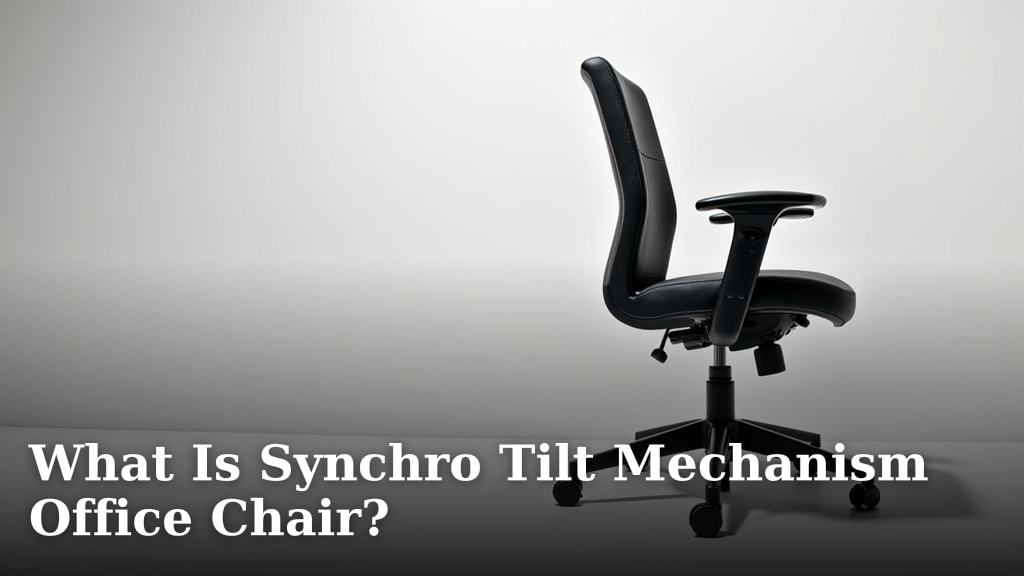
A synchro tilt mechanism office chair is a type of ergonomic chair that allows the seat and the backrest to tilt together at a specific ratio. This design aims to provide better support and promote more natural movement while you work. Many people find it helps reduce strain on their bodies during long sitting periods.
This mechanism is designed to move with your body. When you lean back, the seat slightly angles up. This helps keep your feet on the floor and your posture aligned. It’s a popular feature in executive chairs and those focused on long-term comfort.
- What it is: A chair feature where the seat and back tilt together.
- Key benefit: Promotes natural movement and reduces body strain.
- How it works: Seat angles up slightly as the back reclines.
- Ideal for: Those who sit for extended periods or need better posture support.
Ready to learn more about how this smart chair feature can improve your workday? We’ll break down the details of synchro tilt mechanisms below.
Understanding Synchro-Tilt Office Chairs
So, you’re curious about how these synchro-tilt office chairs actually work. It’s a feature designed to make your sitting experience much more comfortable and ergonomically sound. Basically, when you lean back, the chair’s backrest and seat move together. But they don’t move in a stiff, fixed way. Instead, they move at a set ratio, often around 2:1. This means for every inch the backrest tilts back, the seat tilts up just a bit. This smart design aims to keep your body in a more natural position while you recline.
How the Synchro-Tilt Mechanism Functions
Think of it like a dance between your body and the chair. When you shift your weight backward to relax or reach for something, the synchro-tilt mechanism kicks in. The backrest reclines, and at the same time, the seat rises slightly. This counter-movement is key. It prevents your legs from lifting off the floor. It also helps maintain good hip and knee angles. Many ergonomic experts agree this helps reduce pressure on your thighs and lower back.
The ratio is important. A common ratio is 2:1, meaning the back moves twice as much as the seat. Some chairs might offer adjustable ratios. This allows you to fine-tune how the chair moves with you. You can often lock the chair in various positions. This gives you control over your posture throughout the day. It’s a big step up from chairs where only the backrest moves. Those can sometimes leave your legs feeling unsupported.
The Benefits of Synchro-Tilt for Your Body
Sitting for long hours can be tough on your body. That’s where synchro-tilt chairs shine. They are engineered to support your body’s natural movements. When you recline, your body weight is distributed more evenly. This reduces the strain on your spine and lumbar region. Many studies have shown the negative effects of prolonged static sitting. Synchro-tilt helps combat this by encouraging subtle shifts in posture.
One major benefit is improved circulation. When the seat tilts up slightly as you recline, it reduces pressure on the back of your knees. This can help prevent pinching of blood vessels. Better blood flow means less fatigue and potentially fewer aches. It also helps maintain a healthy posture. Your hips and knees stay at comfortable angles. This is vital for long work sessions.
Reduced Spinal Pressure
When you lean back in a typical chair, your lower back might lift off the seat. This creates a gap. That gap puts extra stress on your spine. A synchro-tilt chair closes that gap. The seat moves with the backrest. This keeps your spine aligned. It provides continuous lumbar support. This is a significant advantage for anyone experiencing back pain.
Improved Posture While Relaxing
Even when you’re taking a moment to lean back, your posture matters. Synchro-tilt ensures you maintain a good posture. It prevents you from slouching too much. The chair supports your body in a more ergonomic way. This means you can relax without compromising your spinal health. It’s like having a personal posture coach built into your chair.
Who Benefits Most from a Synchro-Tilt Chair?
These chairs are a fantastic choice for almost anyone who spends a lot of time sitting. But some individuals stand to gain more than others. If your job involves sitting for eight hours a day or more, this mechanism is a worthwhile investment. Think office workers, programmers, writers, or anyone with a desk-bound profession. You’ll likely notice a difference in comfort and fatigue levels.
People who experience back pain or discomfort from traditional chairs should also consider synchro-tilt. The enhanced support and natural movement can alleviate some of that strain. It’s also great for those who tend to fidget or change positions frequently. The chair moves with you, adapting to your needs. This makes it a more dynamic and supportive seating solution for a wider range of users.
Comparing Synchro-Tilt to Other Mechanisms
Understanding synchro-tilt means looking at how it differs from other common chair mechanisms. This helps you appreciate its unique advantages. Not all office chairs are created equal, and the tilt mechanism is a big part of that. Let’s break down some comparisons.
Synchro-Tilt vs. Standard Tilt
A standard tilt mechanism, sometimes called a basic tilt, usually only allows the backrest to recline. The seat stays put. When you lean back, your legs might lift or your body might slide forward. This can create awkward angles and reduce comfort. A synchro-tilt, on the other hand, synchronizes the seat and back. This offers a much more balanced and supportive recline. It’s a significant upgrade for ergonomic support.
Synchro-Tilt vs. Knee-Tilt
Knee-tilt mechanisms tilt the backrest and seat, but the pivot point is closer to the front of the seat. This means the seat tilts forward quite a bit as you recline. While it can keep your feet on the ground, the forward tilt of the seat isn’t ideal for everyone. It can sometimes increase pressure under your thighs. Synchro-tilt usually pivots closer to the hips. This provides a more natural angle for both the back and the seat. Many users find this more comfortable for extended use.
Synchro-Tilt vs. Multi-Function Tilt
Multi-function tilt mechanisms offer the most adjustability. They typically allow independent control of the backrest tilt, seat tilt, and sometimes even the seat depth. This provides a high level of customization. However, they can be more complex to operate. Synchro-tilt offers a simplified, automatic way to achieve ergonomic recline. It’s less about fiddling with multiple levers and more about a natural, responsive movement. For many, the ease of use combined with excellent support makes synchro-tilt the perfect balance.
| Mechanism | Backrest Movement | Seat Movement | Typical Pivot Point | Best For |
|---|---|---|---|---|
| Standard Tilt | Reclines | Stays Fixed | Under the backrest | Basic reclining needs. |
| Synchro-Tilt | Reclines | Tilts up slightly | Under the hips | Ergonomic support and natural movement. |
| Knee-Tilt | Reclines | Tilts forward more | Forward of the seat | Keeping feet on the floor while reclining. |
| Multi-Function Tilt | Reclines | Independent seat tilt | Varies, often adjustable | Maximum customization and ergonomic control. |
Key Features to Look For in a Synchro-Tilt Chair
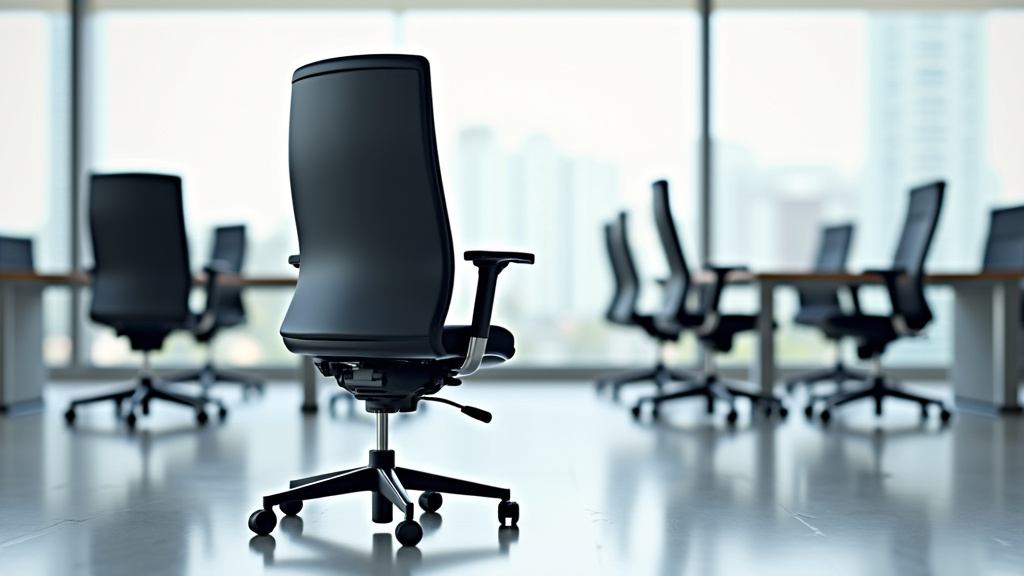
When you’re shopping for a chair with a synchro-tilt mechanism, keep a few things in mind. It’s not just about the tilt itself. Other features can enhance your experience. Think of it as building your perfect workstation companion. You want it to be supportive and comfortable for years to come.
Adjustability Options
While the synchro-tilt is automatic, look for chairs that offer additional adjustments. Adjustable seat height is standard, of course. But consider lumbar support adjustability. Armrest height and width can also make a big difference. Some chairs allow you to adjust the synchro-tilt tension. This means you can control how easily the chair reclines. You might also find chairs with a tilt lock. This lets you hold the chair in a specific recline position. These little extras add up to a more personalized fit.
Material and Comfort
The type of material your chair is made from impacts comfort. Mesh backs offer great breathability. This is ideal for warmer climates or if you tend to get warm. Upholstered chairs can provide more cushioning. Consider what feels best for your skin and your work environment. Padding on the seat is also important. You want enough to be comfortable but not so much that it feels mushy or unsupportive. We found that good quality foam offers a balance. Consider chairs with mesh backs for better breathability.
Durability and Build Quality
A chair is an investment. You want one that will last. Look for chairs made with sturdy materials. A robust base, often made of metal, is a good sign. Check reviews for comments on durability. Many experts say that good build quality means the chair can withstand daily use without breaking down. A chair that feels solid when you sit in it is usually a good indicator.
Here’s a quick checklist to help you choose:
- Does it have adjustable seat height?
- Can you adjust the tilt tension?
- Are the armrests adjustable?
- Is the material breathable and comfortable for you?
- Does the chair feel sturdy and well-built?
- Does the synchro-tilt mechanism move smoothly?
Conclusion
You’ve learned that a synchro-tilt mechanism is a smart design for office chairs. It helps your chair move with your body naturally. This can reduce strain and improve your posture throughout the workday. By keeping your back and seat moving in sync, it offers better support than standard tilt. Investing in a synchro-tilt chair can make a big difference in your comfort and well-being. Consider your workspace needs and personal comfort preferences. Then, explore chairs with this feature to find your perfect fit for a more productive day.
Frequently Asked Questions
Will a synchro-tilt chair help my back pain?
Yes, a synchro-tilt chair can often help with back pain. The synchronized movement helps maintain proper spinal alignment when you recline. This reduces pressure points and provides continuous lumbar support. Many users find it more comfortable than chairs where the seat stays fixed.
Is the synchro-tilt mechanism hard to use?
No, synchro-tilt mechanisms are generally very easy to use. They are designed to respond automatically to your body’s movements. You simply lean back, and the chair adjusts itself. Some chairs offer adjustable tension or tilt lock for added control, but the core function is intuitive.
Can I lock my synchro-tilt chair in a certain position?
Many synchro-tilt chairs come with a tilt lock feature. This allows you to stop the chair’s recline at your preferred angle. You can set it for active sitting or for a more relaxed posture. Check the chair’s specifications to see if this feature is included.
What is the difference between synchro-tilt and knee-tilt?
The main difference is the pivot point. Synchro-tilt pivots near the hips, keeping your body at a more natural angle when reclining. Knee-tilt pivots closer to the front of the seat, causing the seat to tilt forward more. This can sometimes put more pressure on your thighs.
Are synchro-tilt chairs good for short people?
Synchro-tilt chairs can be good for shorter individuals, but adjustability is key. Look for chairs with adjustable seat height and depth. These features ensure you can achieve a comfortable and ergonomic position. The synchro-tilt mechanism itself supports natural movement for all body types. Synchro-tilt chairs can be good for short individuals, but adjustability is key.
