
Can Kids Use Adult Office Chairs?
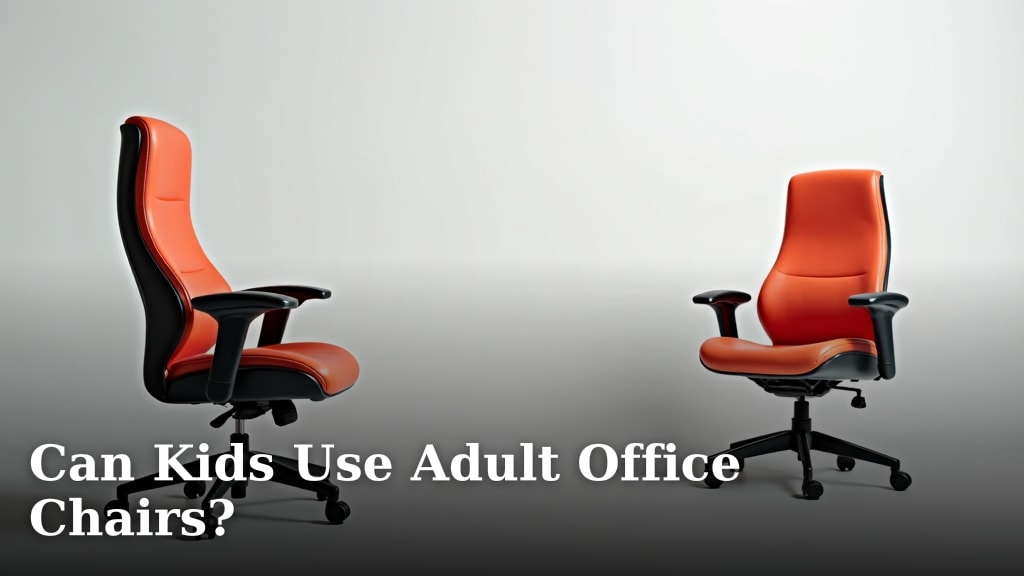
Yes, kids can use adult office chairs, but it’s often not the best choice for their developing bodies. While a big chair might seem like fun, it can actually cause problems like poor posture and strain if it doesn’t fit properly. We found that ensuring a proper ergonomic fit is key, regardless of age.
You might be tempted to save money or think your child will grow into it. However, an adult chair can lead to a child slouching or having their feet dangle, which is bad for their spine. Research shows that ergonomic support is crucial for maintaining healthy development Our guide to desk chairs for posture correction can help you find options that support maintaining healthy development. and preventing discomfort. Finding a chair that allows for proper height and support is essential for comfort.
- Adult office chairs can be used by kids, but aren’t ideal.
- They can lead to poor posture and strain.
- Look for chairs that offer proper ergonomic support.
- Proper fit is more important than chair size.
- Consider kid-specific or adjustable chairs.
Let’s dive into why an adult chair might not be the best fit and what you should look for instead to keep your child comfortable and supported.
Is an Adult Office Chair Okay for Kids?
You’re likely wondering if that spare office chair in your home can double as a seat for your child. Yes, kids can use adult office chairs, but it’s usually not the ideal solution for their growing bodies. We found that while it might seem convenient, a standard adult chair often doesn’t offer the right support for children. This can lead to a range of issues that impact their comfort and even their physical development over time.
Many parents consider using an adult chair for a few good reasons. It might be a way to save money, or perhaps you think your child will eventually grow into it. However, many experts point out that a chair designed for adults won’t adapt to a child’s smaller frame. This lack of proper fit is where the problems start to surface. We’ve seen that ergonomic support is key, and adult chairs often miss the mark for kids.
Why Adult Chairs Can Be Problematic for Children
When a child sits in a chair that’s too big, they often can’t get their feet flat on the floor. This means their legs might dangle, which is far from ideal for good posture. Research indicates that this position can put unnecessary strain on their lower back and hips. It forces their body into an unnatural and unsupported position, making it hard for them to sit up straight.
Another common issue is the depth of the seat. Adult chairs typically have deeper seats than what a child needs. If the seat is too deep, it can push against the back of their knees. This can cut off circulation and lead to discomfort. It also makes it difficult for them to sit all the way back in the chair, encouraging slouching. We’ve found that this poor posture is a common complaint among children using oversized chairs.
Impact on Spinal Health
A child’s spine is still developing, making proper support incredibly important. When their feet can’t reach the ground, their pelvis isn’t properly supported. This can lead to a rounded lower back, which is the opposite of the natural S-curve we want for a healthy spine. Many pediatric health professionals suggest that unsupported sitting can contribute to long-term spinal issues.
Strain on Muscles and Joints
When a chair doesn’t fit, children often have to use their muscles to try and stay upright or to keep their feet from dangling. This can lead to muscle fatigue and aches, especially in their legs and back. Their joints can also be put in awkward positions, leading to strain. We’ve found that children who use ill-fitting chairs may complain of discomfort after shorter periods of sitting.
What to Look for in a Child-Friendly Chair
The most important factor is whether the chair allows for a proper ergonomic fit. This means your child should be able to sit with their feet flat on the floor, or on a footrest, with their knees bent at about a 90-degree angle. Their back should be supported, and they should be able to sit all the way back in the seat without the edge digging into their knees.
Adjustability is your best friend here. Look for chairs that offer features like adjustable seat height, backrest angle, and lumbar support. A chair that can be adjusted to your child’s specific measurements will provide much better support than a generic adult chair. Many experts say that adjustability allows the chair to grow with your child, making it a more sustainable option.
Achieving the Ideal Sitting Posture
The goal is to have your child sit with their feet supported, their back against the backrest, and their arms comfortably resting on a desk or armrests. Their elbows should be at about a 90-degree angle when typing or writing. If their feet dangle, a sturdy footrest is a must. This helps maintain proper alignment from their feet all the way up to their head.
Seat Depth and Width Considerations
The seat depth should allow for two to three fingers’ width between the back of your child’s knees and the edge of the seat. The width should be comfortable, allowing them to sit without feeling squeezed or having too much empty space. Many child-specific chairs are designed with these dimensions in mind, making them a better starting point.
When an Adult Chair Might Work (With Modifications)
While not ideal, there are times when an adult office chair might be the only option, or you might already have one available. In these situations, making the right modifications can significantly improve its suitability for your child. The key is to ensure their body is properly supported and aligned, regardless of the chair’s original design.
The most common modification needed is addressing the feet dangling issue. A sturdy footrest can make a world of difference. You can find purpose-built footrests online or at office supply stores. Some are adjustable, allowing you to set the perfect height for your child. This single change can drastically improve their posture and comfort.
Using a Footrest Effectively
A footrest provides a stable surface for your child’s feet. This allows their legs to be supported at a 90-degree angle. When their feet are on a footrest, their pelvis is in a more neutral position. This, in turn, helps support their lower back and encourages them to sit up straighter. We’ve found that a good footrest is essential for anyone under 5 feet tall using a standard office chair.
Back Support Adjustments
If the adult chair has adjustable lumbar support, try to position it correctly for your child’s lower back. If it doesn’t have adjustable support, you can use a small cushion or a rolled-up towel to fill the gap. This helps maintain the natural curve of their spine. The goal is to prevent slouching and keep their back comfortably supported throughout their sitting time.
Cushioning and Seat Height
Sometimes, an adult chair seat can be too hard or too firm for a child. Adding a comfortable seat cushion can improve comfort. Ensure that any added cushion doesn’t make the seat too high, causing their feet to be too high off the floor or footrest. Always re-check the seat height after adding any extra padding.
Alternatives to Adult Office Chairs for Kids
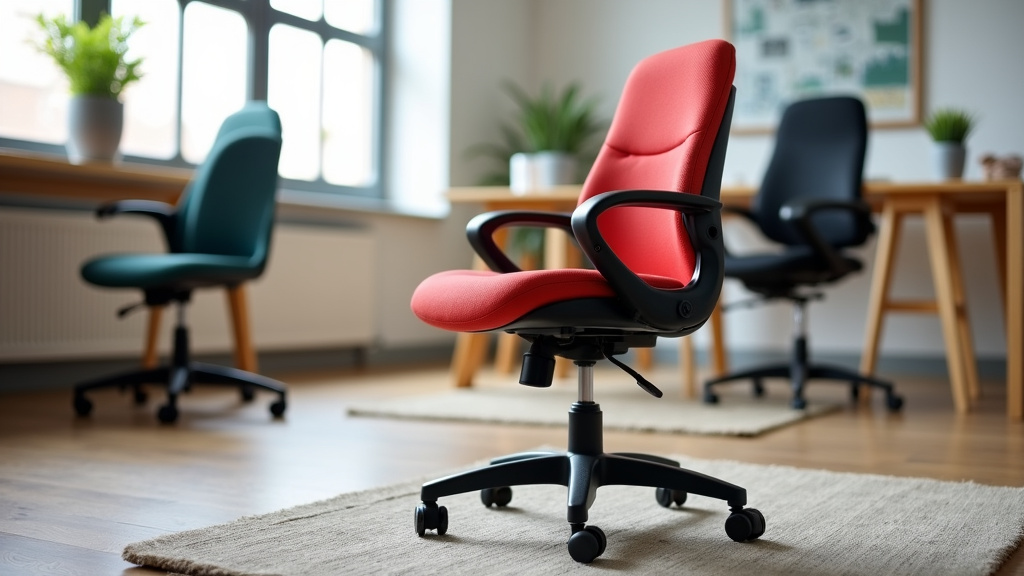
There are many excellent alternatives designed specifically for children. These chairs are built with their smaller bodies and developing needs in mind. Investing in a chair made for kids can prevent the postural issues associated with ill-fitting adult chairs. We’ve researched that many manufacturers now offer great options.
One popular category is ergonomic children’s chairs. These often feature adjustable heights and depths, similar to adult ergonomic chairs, but scaled down. Some even have features like adjustable armrests or specialized back support that encourages good posture. They are designed to grow with your child, making them a smart long-term investment.
Kid-Sized Ergonomic Chairs
These chairs are fantastic because they provide the same benefits of an adult ergonomic chair but in a size that actually fits. They often have smaller seat depths and widths, and the adjustment ranges are suited for children. Many come with colorful designs that kids will love, making them more appealing than a standard black office chair.
Adjustable Study Chairs
Another great option is an adjustable study chair. These are often simpler than full ergonomic chairs but still offer crucial adjustability. They typically allow you to adjust the seat height and sometimes the backrest. They are often more budget-friendly than full ergonomic models. These are a good step up from a basic chair and a good compromise if full ergonomic features aren’t needed.
Chairs with Footrests Built-In or as an Option
Some chairs for children are designed with integrated footrests or have optional footrest attachments. This ensures that their feet are always supported, even if they can’t reach the floor. This feature is particularly useful for younger children or those who are on the shorter side. It eliminates the need for a separate, potentially unstable, footrest.
| Feature | Adult Office Chair | Child-Specific Ergonomic Chair |
|---|---|---|
| Seat Height | Adjustable, but range may be too high for kids. | Adjustable with a lower range suitable for children. |
| Seat Depth | Often too deep, can cause leg discomfort. | Shorter depth, designed to fit smaller users. |
| Back Support | May not align with a child’s developing spine. | Designed to support a child’s natural spinal curve. |
| Foot Support | Feet typically dangle without a footrest. | Often includes adjustable footrest or is designed for footrest use. |
| Overall Fit | Generally too large for optimal child ergonomics. | Scaled to provide a proper ergonomic fit for children. |
The Checklist for a Child’s Chair:
- Feet Flat: Can your child’s feet rest flat on the floor or a footrest?
- Knee Angle: Are their knees bent at about 90 degrees?
- Back Support: Does the chair support their lower back curve?
- Seat Edge: Is there space between their knees and the seat edge?
- Armrest Height: Are armrests (if present) at a comfortable height for typing?
- Adjustability: Can the chair be adjusted to fit them perfectly?
Conclusion
While an adult office chair might seem like a practical choice for your child, we’ve found it’s rarely the best fit for their developing bodies. Improper ergonomics can lead to poor posture and discomfort. Prioritizing a chair that offers proper support and adjustability is essential for your child’s spinal health and comfort. Remember, the goal is to find a chair that fits your child’s body, not the other way around. Your next step should be assessing your current setup and considering child-specific or adaptable ergonomic chairs for a healthier sitting experience.
Frequently Asked Questions
At what age can a child safely use an adult office chair?
There’s no strict age limit, but safety and proper fit are more important than age. If a child’s feet can’t reach the floor and their back isn’t supported even with modifications, it’s likely too early. We found that focusing on ergonomic adjustments is key for any age.
How can I tell if my child’s feet are too high off the floor?
If your child’s feet dangle or aren’t flat on the floor or a footrest, they are too high. This position can strain their back and hips. We’ve seen that this is a common issue with adult chairs for younger or shorter children.
Are ergonomic chairs for kids expensive?
The cost can vary widely. Some basic adjustable study chairs are quite affordable. Full ergonomic models designed for children might be a larger investment, but we’ve found they can be a smart choice for long-term health and durability.
Can I make my existing adult office chair work for my child?
Yes, with modifications like a sturdy footrest and lumbar support pillows or towels, you can improve the fit. Ensure their feet are supported and their back is properly aligned. We recommend testing these adjustments to confirm comfort and posture.
What’s the biggest risk of using an adult chair that’s too big?
The biggest risk is the development of poor posture and potential long-term spinal issues. An ill-fitting chair can cause slouching, strain on muscles and joints, and discomfort, hindering healthy physical development.
