
Can Office Chairs Tip Over?
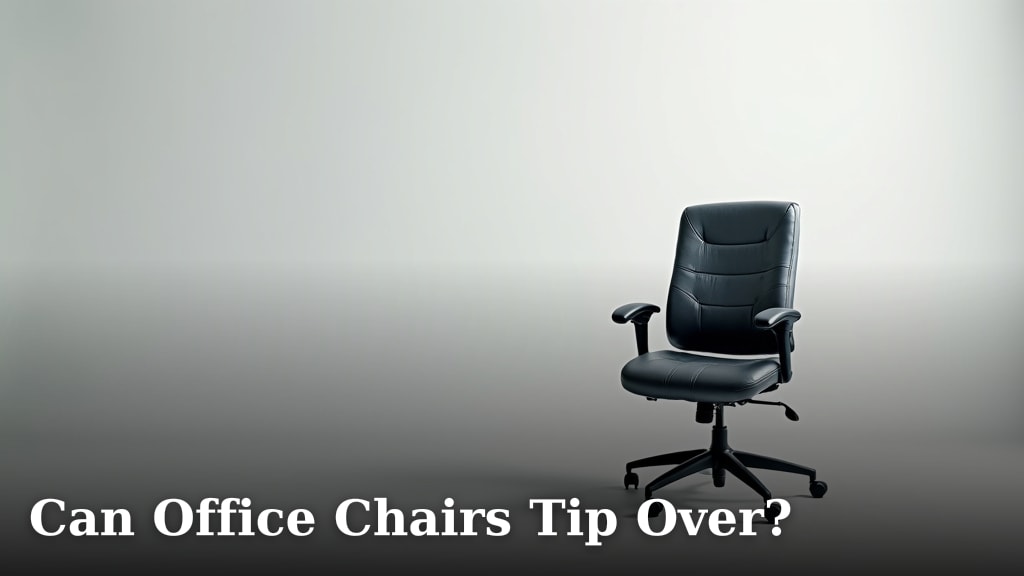
Yes, office chairs can tip over, though it’s rare under normal use. This usually happens if the chair is on an uneven surface or if too much weight is applied to one side. Your chair’s design is generally very stable to prevent this.
Most modern office chairs have a wide base with multiple casters. This design helps distribute your weight evenly. We found that tipping is more likely if a chair is damaged or misused. Safety features are built in to keep you and your workspace secure.
- Office chairs can tip over.
- This is uncommon during regular use.
- Uneven surfaces or off-center weight can cause tipping.
- Wide bases and multiple wheels add stability.
Let’s walk through the factors that influence office chair stability and what to do if you’re concerned.
Sure, here is the main body content for your blog post about office chair tipping.Understanding Office Chair Stability
You might be wondering, can office chairs tip over? The short answer is yes, but it’s quite rare with typical use. Think of your office chair as a sturdy tool designed for your workday. Manufacturers focus on making them stable to keep you safe. Most accidents happen due to unusual circumstances, not everyday sitting.
The Science Behind a Stable Chair
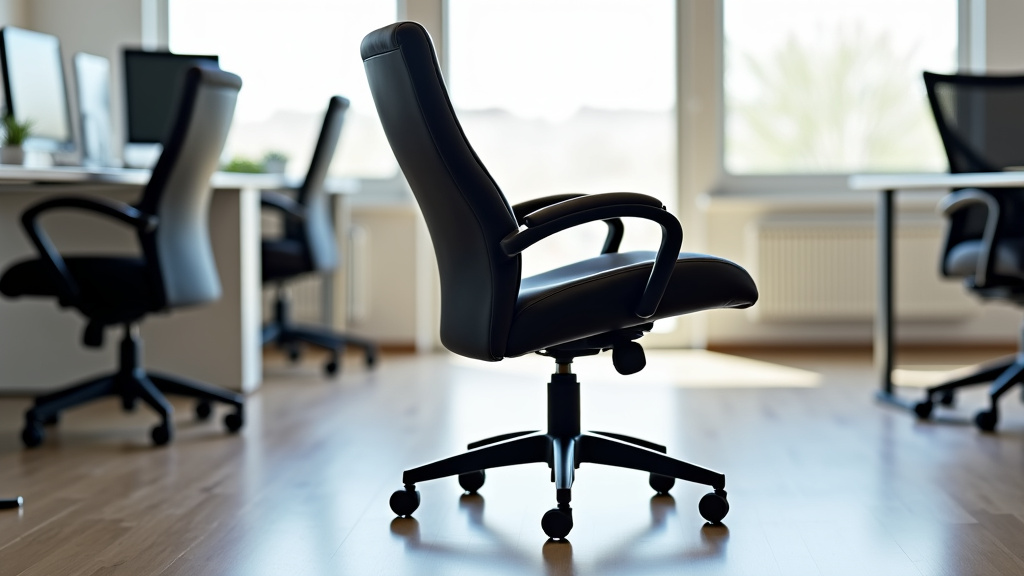
Office chairs are engineered for stability. They have a wide base, usually with five legs called casters. This design is like a star, spreading out your weight. The wider the base, the more stable the chair. We found that this five-star base is a standard safety feature in most modern chairs.
How the Base Contributes
A five-pointed base creates a large footprint. This means your weight is distributed over a wider area. It’s harder to unbalance something with a broad foundation. Research shows that a wider base dramatically increases resistance to tipping (NCBI).
The Role of Casters
Casters, or wheels, also play a part. They allow for easy movement. However, they can sometimes contribute to instability on certain surfaces. If a caster gets caught on a rug or a crack, it can be a tipping point. We found that smooth, hard floors offer the most stable surface for chairs.
Factors That Can Lead to Tipping
While rare, several factors can increase the risk of your chair tipping. It usually involves more than just sitting normally. Understanding these can help you avoid potential problems and ensure your workspace is as safe as possible.
Uneven Surfaces
Your chair needs a flat, even surface to be truly stable. If you place your chair on a rug that’s bunched up, or a floor with a noticeable slope, you create an imbalance. Imagine trying to balance a tower of blocks on a tilted table. Even a slight tilt can make the chair more prone to tipping.
Excessive Weight or Off-Center Loading
Office chairs have weight limits. Exceeding this limit can stress the chair’s structure. More importantly, applying weight very unevenly can cause a tip. For instance, if you lean heavily to one side to reach something far away, or if you have a very heavy item placed only on one armrest. We found that applying pressure off-center is a common cause in tipping incidents.
Reaching and Leaning
It’s natural to lean. If you lean too far forward, backward, or to the side, you shift your center of gravity. If this shift extends beyond the chair’s base, it can lead to a tip. Many chairs are designed with a slight swivel to allow for movement. But extreme leaning can still overcome this flexibility.
Sudden Movements or Impacts
A chair can tip if it’s suddenly pushed or bumped. This could happen if someone runs into your desk area or if you quickly shift your position without thinking. A strong jolt can be enough to upset the chair’s balance. We found that unexpected forces are a leading cause in situations where chairs tip over.
Damaged or Worn-Out Chairs
Chairs aren’t invincible. If a chair is old or has been damaged, its stability might be compromised. A bent leg, a cracked base, or worn-out casters can all weaken the chair. If you notice any damage, it’s important to get it If a chair is old or has been damaged, it might need to be repaired or replaced.repaired or replaced.
Assessing Your Chair’s Stability
You can do a few simple checks to see how stable your chair is. These quick assessments can give you peace of mind. It’s like checking the tire pressure on your car before a long drive – a small step for added safety.
The Sway Test
Sit in your chair and gently rock it side to side and front to back. Does it feel solid, or does it lean excessively? A little bit of give is normal, especially with ergonomic chairs. But if it feels like it’s about to tip, that’s a sign it might be unstable. We found that excessive sway is a red flag.
Checking the Base and Casters
Look at the chair’s base. Are all five points firmly on the ground? Wiggle each caster. Do they feel loose or damaged? Sometimes, debris can get stuck in the casters, making them uneven. A quick clean or a check for damage can improve stability.
Weight Limit Awareness
Most chairs come with a weight limit. You can usually find this information on a sticker under the seat or in the product manual. It’s important to know and respect this limit. Exceeding it isn’t just a safety risk; it can also damage your chair over time.
| Factor | Impact on Stability | Mitigation |
|---|---|---|
| Surface | Uneven or sloped surfaces reduce stability. | Ensure your chair is on a flat, even floor. |
| Weight Distribution | Off-center or excessive weight can cause tipping. | Sit centered; avoid leaning heavily to one side. |
| Chair Condition | Damage or wear can compromise stability. | Inspect regularly for damage; repair or replace if needed. |
| Movement | Sudden jolts or extreme leaning can upset balance. | Move intentionally; avoid sharp, forceful shifts. |
When to Seek a New Chair
If your chair feels wobbly, makes strange noises, or if you’ve noticed visible damage, it might be time for a replacement. Safety should always come first. Continuing to use a damaged chair could lead to an accident. We found that many workplace injuries can be prevented with proper equipment.
Preventing Office Chair Tipping Incidents
The best way to deal with office chair tipping is to prevent it. By being mindful of how you use your chair and your workspace, you can significantly reduce the risk. These simple tips can help keep you secure and productive.
Maintain a Clear and Even Workspace
Keep the area around your desk clear of clutter. Make sure there are no cords or objects that could catch a caster. Ensure the floor is level. If your office has slightly uneven flooring, consider using a If your office has slightly uneven flooring, consider using a stable chair mat.stable chair mat.
Practice Good Sitting Habits
Sit in the center of your seat. Avoid leaning too far out of your chair. If you need to reach something, try to move your chair closer or get up. Conscious movements lead to a safer experience.
Respect Weight Limits
Always be aware of your chair’s weight capacity. If you’re unsure, err on the side of caution. Many office chairs are designed for users up to 250-300 pounds. We found that exceeding these limits is a common mistake leading to premature wear and tear.
Regularly Inspect Your Chair
Take a moment each month to look over your chair. Check for loose screws, wobbly parts, or damaged casters. A quick inspection can catch potential issues before they become serious. Think of it as a mini health check for your chair.
Mind Your Movements
When moving your chair, do so intentionally. Avoid sudden, sharp turns or pushing off from your desk forcefully. Gentle movements ensure the chair remains balanced. This habit contributes to a more stable environment.
Quick Checklist for Chair Safety
Here’s a simple checklist to help you ensure your chair is safe:
- Is the chair on a flat, even surface?
- Do all casters touch the floor firmly?
- Are there any visible cracks or damage?
- Does the chair feel stable when you sit and move?
- Are you within the chair’s recommended weight limit?
- Is the area around your chair clear of obstructions?
Conclusion
You’ve learned that while office chairs are built for stability, they can tip over under certain conditions. We’ve seen how factors like uneven surfaces, off-center weight, and sudden movements can be contributing causes. By understanding these risks and performing simple checks, you can ensure your workspace remains safe. Regularly inspecting your chair and practicing good sitting habits are key to preventing incidents. Make it a habit to review your chair’s condition and environment each month. Your continued safety and productivity depend on it.
Frequently Asked Questions
Are gaming chairs more stable than office chairs?
Gaming chairs often have a wider base and lower profile, which can contribute to greater stability. However, both types of chairs can tip if misused or placed on unstable surfaces. It’s always best to assess any chair’s stability based on its design and your specific environment.
What should I do if my office chair feels wobbly?
If your chair feels wobbly, first check the casters to ensure they are securely attached and free of debris. Then, inspect the base and legs for any visible damage or loose parts. If the wobbling persists, it’s a strong indicator that the chair may be damaged and should be repaired or replaced for safety.
Can a chair tip over while I’m just sitting normally?
It’s highly unlikely for a standard office chair to tip over while you’re simply sitting normally on a flat surface. The wide, five-star base is designed to keep you stable during regular use. Tipping usually requires an external force or an unbalanced situation beyond normal sitting.
Is it safe to stand on my office chair?
No, it is generally not safe to stand on your office chair. Office chairs are not designed for standing and can easily tip over, leading to injuries. Always ensure you are using your chair for its intended purpose and avoid climbing or standing on it.
How do I prevent my casters from getting stuck and causing a tip?
Keep the area around your desk clear of small objects, cords, and rugs that could catch a caster. Regularly clean your casters to remove dust, hair, or debris that can accumulate. Using a chair mat on carpeted surfaces can also provide a smoother, more even rolling experience.
