
How to Prevent Office Chair from Tipping Over?
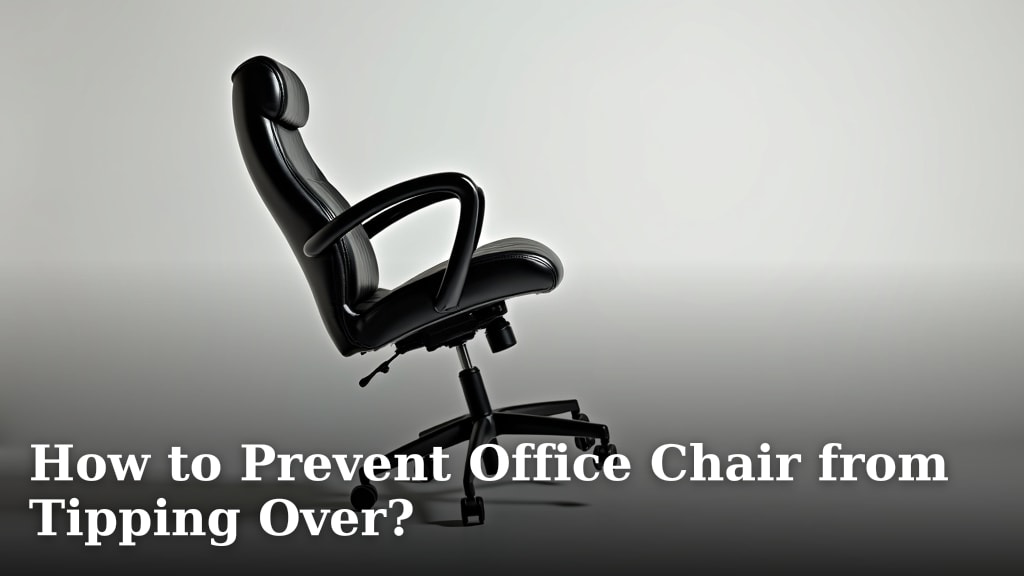
Preventing your office chair from tipping over is easier than you think. Most chairs tip because the weight distribution is off or the base is unstable. Simply ensuring your weight is centered and using the chair on a level surface can make a big difference. Sometimes, a simple adjustment is all that’s needed to keep your chair upright and avoid a sudden, embarrassing tumble.
A common cause of chair tipping is leaning too far to one side or forward. This shifts your center of gravity outside the chair’s stable base. Understanding how your chair’s wheelbase and the caster placement affect its balance is key. We found that many modern office chairs are designed with wider, five-star bases to naturally improve stability and prevent these kinds of accidents.
- Keep your weight centered on the seat.
- Ensure the chair is on a flat, even floor.
- Check that all casters are securely attached.
- Avoid leaning too far to one side or forward.
Let’s break down the common culprits for office chair tip-overs and share some simple fixes to keep you safely seated.
Keeping Your Office Chair Stable: A Practical Guide
Your office chair should be a trusty companion, not a wobbly menace. We’ve all had that moment of panic. You lean back just a bit too far, or maybe you reach for something just out of reach, and suddenly, your chair feels like it’s going to perform a daring acrobatics routine. Fortunately, keeping your office chair from tipping over is usually quite simple. It often comes down to understanding a few basic principles of balance and how your chair is designed.
Most modern office chairs are built with stability in mind. They typically feature a five-star base. This design is intentional. It distributes your weight over a wider area. This makes them much harder to tip than older chair designs. Still, accidents can happen. Let’s look at why chairs tip and how you can prevent it.
Understanding Your Chair’s Base and Casters
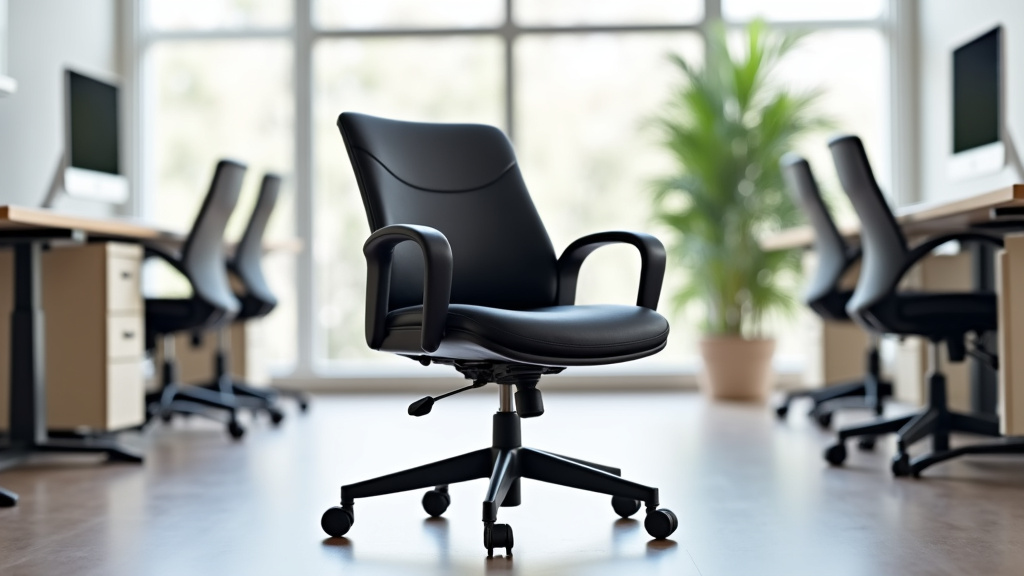
The foundation of your chair’s stability lies in its base and casters. The base is usually shaped like a star. It has legs or arms extending outwards. The casters are the wheels attached to the ends of these legs. Together, they support your chair and allow it to roll. A well-designed base provides a wide, stable footprint.
Think of it like a stool. A stool with three legs is pretty stable. One with four legs is even more so. An office chair’s five-star base is like having five legs. This wide base is your first line of defense against tipping. The casters play a role too. They need to be in good condition and properly attached.
The Importance of a Level Surface
One of the most common overlooked factors is the floor you’re using your chair on. Is it perfectly flat? Even a slight slope can make your chair behave unpredictably. If your floor has a noticeable incline, your chair might naturally want to roll or tilt in one direction. This can make it easier to tip, especially if you’re moving around.
We’ve found that many office environments don’t have perfectly level floors. Construction quirks or even worn-out flooring can create subtle slopes. If you notice your chair consistently drifting or feeling unstable in a certain spot, the floor might be the culprit. Always aim for a flat, even surface for maximum stability.
Caster Check: Are They All Present and Accounted For?
Your casters are essential for both mobility and stability. If a caster is missing, loose, or damaged, it throws off the chair’s balance. A chair with only four wheels touching the ground is significantly less stable than one with all five. This imbalance can easily lead to a tip-over when you shift your weight.
Regularly inspect your casters. Make sure they are all present. Check that they are securely pushed into their sockets. If a caster is wobbly or looks damaged, it’s time for a replacement. You can usually find replacement casters at office supply stores or online. A simple fix like this can save you from a nasty fall. If a caster is wobbly or damaged, consider replacement casters to maintain your chair’s stability.
Your Weight Distribution Matters
Even with a perfectly stable chair on a level floor, how you sit affects balance. Your body weight is the primary force acting on the chair. If your weight is consistently off-center, it can create an imbalance. This is especially true when you lean or reach.
The goal is to keep your weight centered over the chair’s base. This means sitting back in the seat, allowing your body to be supported by the chair’s structure. When you’re centered, your weight is distributed evenly across all the caster points. This makes it much harder for the chair to tip.
The “Center of Gravity” Concept Simplified
Think of your body as having a center of gravity. When you’re sitting upright and relaxed, your center of gravity is usually well within the base of the chair. But as you lean forward to grab a dropped pen, or lean to the side to chat with a colleague, your center of gravity shifts. If that shift moves too far outside the chair’s base, the chair can tip.
This is why those sudden, awkward movements are often the trigger for a tip-over. We’ve found that people often don’t realize how far they’re leaning. Becoming more aware of your posture and movements can make a huge difference. Consciously trying to keep your weight over the seat area helps immensely.
Avoid the “Leaning Tower of Office Chair” Syndrome
We’ve all seen it: someone leaning precariously to one side, maybe reaching for a document on a shelf. This is the classic scenario where tipping occurs. When you lean heavily to one side, you’re putting most of your weight onto just a couple of casters. This drastically reduces the chair’s stability.
If you need to reach something, try to move your chair closer to it. Or, better yet, get up and move yourself. We found that most people only lean because it seems easier in the moment. However, the risk of tipping outweighs the minor convenience. Keep your weight centered for safety. This is a key habit to develop.
When to Consider an Upgrade or Professional Help
Sometimes, the chair itself might be the problem. If you’ve tried all the basic adjustments and still feel your chair is unstable, it might be time for a new one. Older chairs or chairs that have been heavily used can develop structural weaknesses. These can compromise their stability.
Look for chairs with a robust, well-constructed five-star base. High-quality materials often mean better durability and stability. If your chair is showing signs of wear and tear, like loose parts or a wobbly mechanism, don’t risk it. We found that investing in a good, stable office chair is an investment in your safety and productivity.
Signs Your Chair Might Be Compromised
Besides the obvious wobble, there are other indicators. Does the height adjustment mechanism feel loose or unreliable? Do the armrests seem shaky? Are there any visible cracks in the plastic or metal parts of the base? These are all red flags. They suggest the chair might not be as stable as it should be.
Another sign is if the chair consistently pulls to one side, even on what feels like a level floor. This could indicate a bent leg or a problem with the internal structure. Many experts suggest that if a chair feels “off” or makes strange noises, it’s worth investigating. A worn-out chair is a safety hazard.
Choosing a More Stable Chair Design
When shopping for a new office chair, prioritize stability. Look for chairs with a wider wheelbase. The distance between the casters is important. A wider stance offers a larger stable area. Check reviews for comments on stability. Also, consider the chair’s weight capacity. Ensure it’s appropriate for your needs.
Many ergonomic chairs are designed with stability as a primary feature. They often have high-quality casters suitable for various floor types. Some chairs even offer different caster options, like glider feet instead of wheels for enhanced stability. We found that a bit of research can lead you to a chair that’s both comfortable and incredibly secure.
Quick Checklist for a Stable Sit
Here’s a quick rundown to ensure your chair stays put:
- Center Yourself: Sit back and keep your weight over the seat.
- Check the Floor: Ensure you’re on a flat, even surface.
- Inspect Casters: Make sure all wheels are present, secure, and undamaged.
- Mind Your Leans: Avoid extreme leaning to the sides or forward.
- Listen to Your Chair: If it wobbles or makes noise, investigate.
- Consider an Upgrade: If it’s old or damaged, look for a new, stable model.
Conclusion
Keeping your office chair stable is all about the basics. You’ve learned that a wide, five-star base, a level floor, and securely attached casters are your chair’s best friends. Remember, how you distribute your weight also plays a huge role. By sitting centered and avoiding extreme leans, you significantly reduce the risk of tipping.
If your chair still feels wobbly, it might be time for a closer inspection or even an upgrade. Investing a little time in these simple checks can prevent an uncomfortable fall and keep your workday smooth. Your next step is simple: take a moment today to check your chair’s stability and apply what you’ve learned.
Frequently Asked Questions
What if my office chair always rolls away on its own?
This usually means your chair is on an uneven surface. Even a slight incline can cause it to drift. Try moving your chair to a different spot on the floor. If the problem persists, you might have a very subtle slope you can’t easily see.
Can a broken caster cause my chair to tip?
Absolutely. If a caster is missing, loose, or damaged, your chair loses a point of contact with the floor. This creates an imbalance. A chair with only four wheels on the ground is much less stable and more prone to tipping.
Is it safe to use an office chair on a carpet?
Generally, yes, but it depends on the carpet’s thickness and evenness. Thick, plush carpets can sometimes make casters sink in unevenly, affecting stability. We’ve found that chairs tend to be most stable on hard, flat surfaces like hardwood or tile.
My chair is old and squeaks. Does that mean it’s unstable?
A squeaky chair might not be unstable on its own, but it’s a sign of wear. Those squeaks often come from joints or mechanisms that might be loosening up. It’s a good indicator that you should inspect the chair for any wobbling or loose parts.
What’s the best way to test if my chair is stable?
Sit back comfortably in your chair. Gently shift your weight side to side and lean forward slightly. If the chair feels like it’s about to tip or you notice a significant wobble, it’s time to check your casters, the floor, and your sitting posture.
