
Is It Safe to Lean Back in an Office Chair?
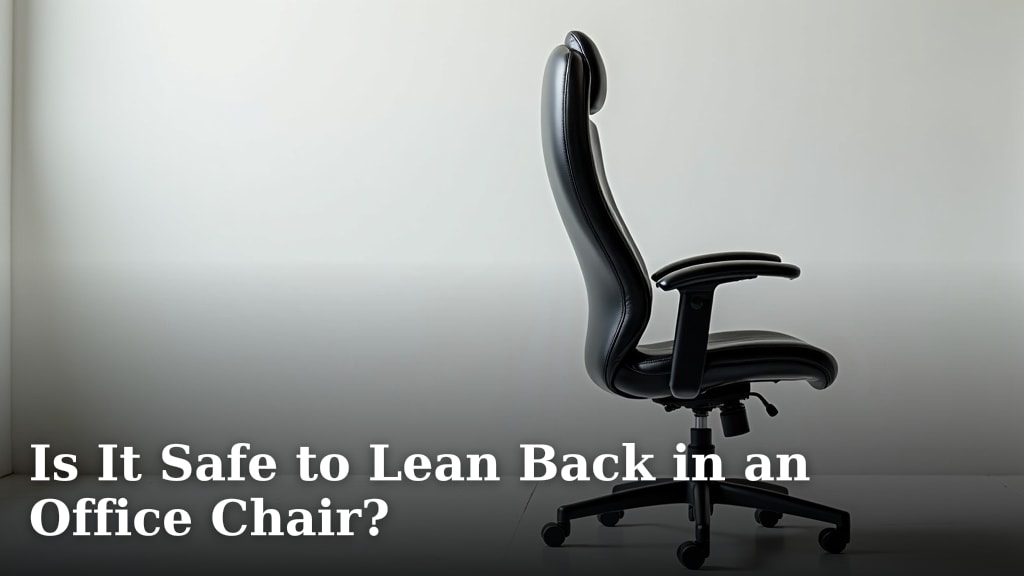
Yes, it is generally safe to lean back in an office chair, but with some important caveats. Most modern office chairs are designed with recline functions to support your posture and reduce strain during long work periods. However, leaning back too far or without proper support can lead to back pain and other issues. You want to ensure your chair’s recline mechanism is working correctly for safe and ergonomic use.
Leaning back correctly can actually be beneficial. It allows your back muscles to relax and can help distribute pressure more evenly. The key is to find a comfortable recline angle that supports your spine’s natural curve without causing you to slouch or strain. Many chairs offer adjustable lumbar support, which is essential when you’re leaning back to maintain good posture and prevent injury.
- Leaning back is okay if your chair supports it.
- Find a comfortable angle that supports your back.
- Avoid slouching or straining when reclined.
- Adjustable lumbar support is your friend!
- Listen to your body for comfort signals.
Let’s take a closer look at how to lean back safely and what features your office chair should have to make it a healthy habit.
Understanding Your Office Chair’s Recline Function
Leaning back in your office chair is generally safe. Modern chairs are built with this feature in mind. They want to give you a break from sitting upright. Your chair’s recline mechanism is a key part of its ergonomic design. It’s meant to help you maintain good posture. It also aims to reduce muscle strain during long work hours. But, how you use this feature matters a lot.
Have you ever felt that satisfying ease when you lean back? That’s your chair working as intended. It allows your back muscles to relax. It also helps spread the pressure across your spine. The goal is to find a sweet spot. It’s a tilt that feels good and supports your back’s natural curve. You don’t want to end up slouching. That can lead to discomfort later on.
How the Recline Mechanism Works
Most office chairs have a few common ways they recline. You’ll often find a lever or knob. This usually controls how the chair tilts. Some chairs allow the entire chair to tilt back. Others only let the backrest tilt. Understanding your specific chair’s controls is step one.
The mechanism is designed to provide support. It should prevent you from falling backward too suddenly. It also allows you to lock the chair in a certain position. This keeps you from unwanted movement. Many chairs offer tension control too. This lets you adjust how much effort it takes to lean back. You want it to be smooth but not too loose.
The Benefits of a Gentle Recline
Leaning back just a little can be quite good for you. It can help ease tension in your lower back. This area often carries a lot of stress. A slight recline can redistribute your body weight. This takes pressure off your sitting bones. It’s like giving your body a mini-break.
Think of it like stretching your back. It gives your spinal discs a chance to decompress. This can help prevent stiffness. It can also improve circulation. Many health experts suggest taking short breaks. Leaning back can be a quick way to do this without leaving your seat. It helps you avoid staying in one rigid position.
Key Features for Safe Reclining
Not all office chairs are created equal. Some have advanced features. Others are more basic. For safe and comfortable reclining, certain features are vital. You want a chair that supports your body properly. This is true whether you’re sitting upright or leaning back.
Adjustable Lumbar Support: Your Back’s Best Friend
This is perhaps the most important feature. Lumbar support is the curve in the lower part of your backrest. It’s designed to match your spine’s natural S-shape. When you lean back, your spine’s curve needs support. Without it, you might slouch or overextend.
Adjustable lumbar support lets you customize this. You can move it up or down. You can also adjust how far it pushes out. This ensures it hits the right spot on your lower back. Many ergonomic guidelines stress its importance (National Institute for Occupational Safety and Health). Proper lumbar support prevents strain. It keeps your spine aligned. Proper lumbar support prevents strain and keeps your spine aligned, especially when leaning back.
Finding the Right Position
When you lean back, adjust your lumbar support. Make sure it feels comfortable. It should fill the curve of your lower back. It shouldn’t feel like a hard lump. If it’s too high or too low, readjust it. Experiment until it feels just right. This makes a huge difference.
Tilt Lock and Tension Control
These features give you control over your recline. The tilt lock lets you secure your chair at a specific angle. This is great if you find a comfortable position. You can then focus on your work. You don’t have to constantly fight gravity. It stays where you put it.
Tension control is also key. It determines how easy or difficult it is to tilt the chair. If the tension is too low, you might recline too easily. If it’s too high, you might struggle to lean back. You want to find a balance. It should be easy enough to lean back but provide resistance. This prevents you from tipping over. It allows for controlled movement.
Seat Depth and Armrest Adjustments
While not directly about reclining, these are important. Seat depth adjustment allows you to control how much of your thigh is supported. When you lean back, your legs might shift. Having the right seat depth ensures your thighs remain supported. It prevents pressure behind your knees.
Adjustable armrests are also crucial. When you lean back, your arms should still be supported. Your shoulders should feel relaxed. If your armrests are too high or too low, you might hunch your shoulders. This can cause neck and shoulder pain. They should be at a height that allows your arms to rest comfortably. This is true at any recline angle.
When Leaning Back Might Not Be Ideal
While generally safe, there are times when leaning back extensively isn’t the best idea. It’s all about listening to your body and your chair’s capabilities.
Chairs Lacking Proper Support
If your chair doesn’t have good lumbar support, leaning back can be problematic. You might end up slouching. This puts a lot of stress on your spine. Chairs with a fixed backrest are often not designed for deep recline. They might not offer the necessary support.
Also, if the recline mechanism is broken or faulty, avoid leaning back. You don’t want the chair to suddenly collapse. Always check your chair’s condition. A wobbly chair is never a good sign. Safety first!
Prolonged Deep Reclining
Even in a good chair, sitting in a deep recline for hours isn’t ideal. Your body needs to move. It needs to change positions. A deep recline can put strain on your neck. It can also affect your ability to type and use your mouse effectively. Some experts suggest that the ideal ergonomic posture involves a slight recline, around 100-110 degrees (American Physical Therapy Association).
Too much of a good thing can become bad. Your muscles need to be engaged to some extent. Constantly being in a relaxed, reclined state can lead to weakness over time. It’s best to alternate positions. Sit upright, lean back slightly, stand up, and move around.

Creating a Safe Reclining Routine
So, how do you make leaning back a healthy habit? It’s about balance and awareness. You want to use the feature as it was intended.
The 20-20-20 Rule for Your Eyes and Body
This rule is great for your eyes, but it’s also good for your body. Every 20 minutes, look at something 20 feet away for 20 seconds. While you’re doing that, you can also take a moment to adjust your posture. Lean back slightly. Stretch your arms. Roll your shoulders. This simple break helps reset your body.
Listen to Your Body’s Signals
Your body is your best guide. If you start to feel any discomfort, pain, or stiffness, it’s a sign to change. Maybe you’ve been leaning back too far. Maybe you need to adjust your lumbar support. Or perhaps it’s time to stand up and walk around.
Pay attention to how you feel after you lean back. Do you feel more relaxed? Or do you feel strained? If it’s the latter, reassess your position and chair settings. Don’t push through pain. That’s a sure way to develop chronic issues.
Checklist for Safe Reclining
- Ensure your chair’s recline mechanism works smoothly.
- Adjust lumbar support to fit your lower back curve.
- Find a comfortable, slight recline angle.
- Use the tilt lock if you find a stable, ergonomic position.
- Take breaks to stand and move regularly.
- If you feel pain, change your position immediately.
By understanding your chair and listening to your body, you can make leaning back a beneficial part of your workday. It’s not just about comfort; it’s about supporting your long-term health while you work.
Conclusion
You’ve learned that leaning back in your office chair can be a healthy way to reduce strain. The key is to use your chair’s ergonomic features wisely. Make sure your chair offers proper lumbar support and adjustable recline. Always listen to your body’s signals and avoid prolonged deep reclining. By creating a routine of movement and mindful posture adjustments, you can make leaning back a beneficial practice. Take a moment today to check your chair’s settings and find your comfortable recline.
Frequently Asked Questions
How far back should I lean in my office chair?
You should aim for a gentle recline, typically around 100-110 degrees. This angle helps relax your back muscles without causing you to slouch. Experiment to find a position where your spine feels supported and comfortable.
What if my office chair doesn’t have adjustable lumbar support?
If your chair lacks built-in adjustable lumbar support, consider using a rolled-up towel or a small cushion. Place it in the curve of your lower back to mimic the support you need when leaning back.
Can leaning back too much cause neck pain?
Yes, leaning back too far can sometimes lead to neck strain, especially if your head is not properly supported. Ensure your headrest (if you have one) is adjusted correctly, or try to maintain a position where your neck remains neutral.
Is it okay to lock my chair in a reclined position?
Locking your chair in a reclined position can be beneficial if you find a stable, ergonomic angle. It allows you to maintain that supported posture for longer periods. However, remember to unlock it and move periodically.
How often should I change my sitting position?
You should aim to change your position at least every 30 minutes. This could mean sitting upright, leaning back slightly, or standing up to walk around. Regular movement is essential for preventing stiffness and discomfort.
