
Can You Use Hard Floor Casters on Carpet?
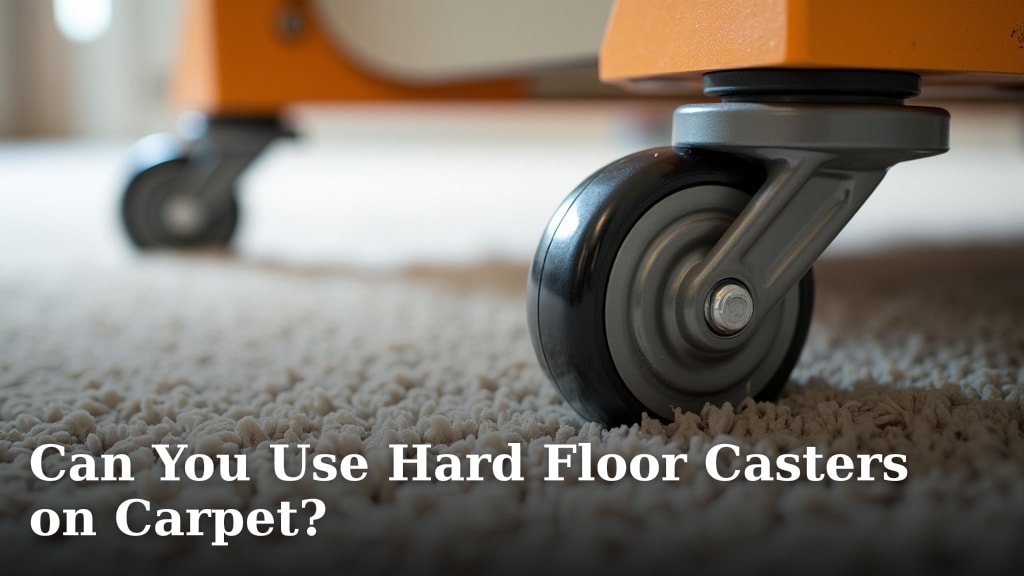
No, you generally should not use hard floor casters on carpet. While it might seem like a good idea, they are designed for smooth surfaces and can damage your carpet fibers. Using them on carpet will likely lead to difficult movement and potential fraying.
Carpeted floors create a lot of friction. Hard casters lack the grip needed for carpets. They can dig into the pile, making your chair hard to move. This can also lead to premature wear and tear on both the carpet and the casters themselves.
- Hard casters are for smooth floors.
- They can damage carpet fibers.
- Expect difficult rolling and wear.
- Carpet casters offer better solutions.
Let’s look at why this happens and what your best options are for rolling chairs on carpet.
Rolling Your Chair on Carpet: What You Need to Know
So, you’ve got a rolling chair and a carpeted floor. It’s a common setup, right? You’re probably wondering if those smooth-looking casters you have lying around are a good match for your rug. The short answer is, probably not. Using the wrong type of casters on carpet is like trying to wear flip-flops for a marathon – it’s just not going to end well for anyone involved, especially your carpet.
We’re here to break down why this common chair accessory isn’t your carpet’s best friend. We’ll look at the physics involved, the potential damage, and most importantly, what you *should* be using to keep your chair rolling smoothly without turning your carpet into a fuzzy mess. Let’s get this rolling!
Why Hard Casters Aren’t Great for Carpet
Think about the surface of your carpet. It’s not flat and smooth like hardwood or tile. It’s made of thousands of tiny fibers, creating a soft, plush, and often forgiving surface. This texture, while comfortable for your feet, presents a significant challenge for rolling chairs. Hard floor casters are designed with a hard, smooth wheel surface. Their job is to glide effortlessly over non-porous, even surfaces.
When you try to roll a hard caster across carpet, those smooth wheels don’t get much grip. Instead of rolling freely, they tend to dig into the carpet pile. This action causes a lot of friction. Imagine trying to push a shopping cart with one wheel stuck in soft mud. That’s kind of what’s happening under your chair!
The Mechanics of Friction on Carpet
Carpet fibers act like tiny little anchors. They grab onto the caster wheel. This grip makes it incredibly difficult for the wheel to turn. So, instead of rolling, the caster might skid or drag. This requires a lot more force from you to move your chair. You’ll find yourself pushing harder and harder, which is not only tiring but also bad for your chair’s base and your back!
Many experts point out that the soft, yielding nature of carpet absorbs the energy you put into moving the chair. This energy is wasted overcoming the resistance of the fibers, rather than making the chair move forward. It’s a battle of wills between your chair and your rug, and the rug usually wins in terms of ease of movement.
Understanding Caster Wheel Material
The material of your casters plays a huge role. Hard casters are typically made from materials like hard plastic, nylon, or polyurethane that is very rigid. These materials are perfect for hardwood, laminate, or tile floors because they don’t leave marks and allow for smooth rolling. However, on carpet, their hardness becomes a disadvantage. They don’t have enough give to conform to the carpet fibers.
On the other hand, casters designed for carpet are often made from softer, more pliable materials. These materials can better grip the carpet fibers without digging in too deeply. They are engineered to provide a balance between allowing the chair to roll and preventing excessive sinking into the pile.
Potential Damage to Your Carpet and Chair
Using hard casters on carpet isn’t just an inconvenience; it can lead to actual damage. This is a concern for your floor and your furniture. You might notice visible signs of wear and tear much sooner than you’d expect.
Fraying and Wear on Carpet Fibers
When those hard casters dig into the carpet, they don’t just sit there. They drag. This constant dragging and friction can break and fray the carpet fibers. Over time, you might see bald spots or worn-down patches where you most often move your chair. It’s like repeatedly brushing a delicate fabric with a stiff brush – it’s going to get damaged.
Research on floor coverings indicates that abrasive forces are a primary cause of premature wear. The repeated stress from hard casters can weaken the fibers. This makes them more susceptible to soiling and crushing. You might think you’re just moving your chair, but you’re actually contributing to the breakdown of your carpet’s structure.
Damage to the Caster Wheels Themselves
It’s not just your carpet that suffers. Those hard casters can also take a beating. When they constantly fight against the carpet fibers, the wheels can get worn down unevenly. You might notice flat spots or nicks appearing on the wheels. This wear can further impair their ability to roll smoothly, even if you were to move them to a hard floor later.
Many manufacturers warn that using their hard floor casters on carpet voids warranties. This is because they are being used in a way they weren’t intended for. The excessive force and abrasion can cause the internal bearings to seize up or the wheel material itself to break down faster than normal.
Stress on Your Office Chair Base
Your office chair is designed to roll smoothly. When the casters can’t perform their function properly, the stress is transferred to the chair’s base. The stem that connects the caster to the chair base can experience extra strain. This can lead to wobbly chairs or even broken caster sockets over time. You’re essentially forcing your chair into a situation it wasn’t built to handle.
The Best Solutions for Rolling on Carpet
Now that we understand the problems, let’s talk about the solutions. Thankfully, there are excellent options available to ensure your chair glides effortlessly across your carpet. You don’t have to choose between a comfortable workspace and a pristine carpet.
Carpet Casters: The Right Tool for the Job
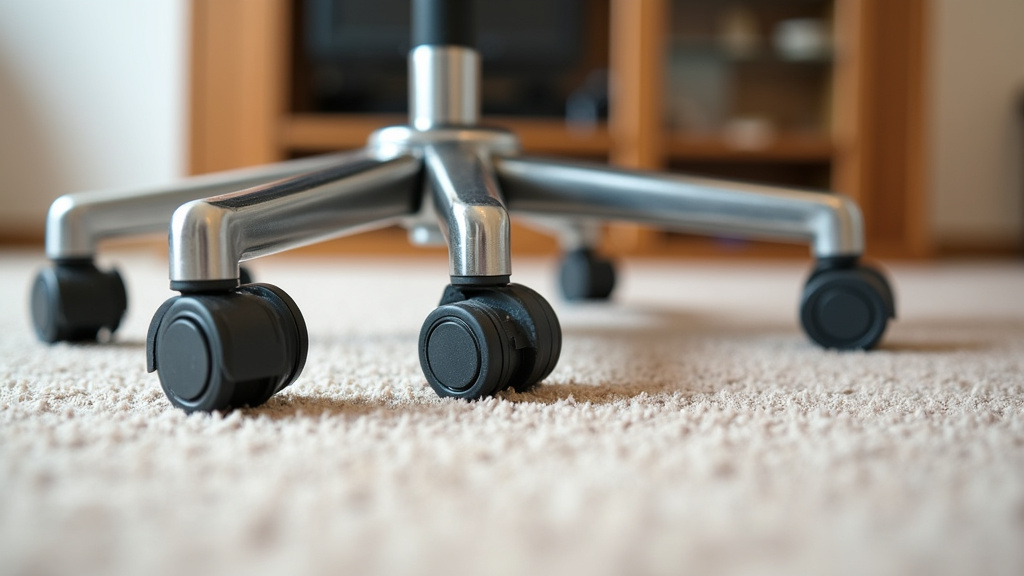
The most straightforward solution is to use casters specifically designed for carpet. These are often referred to as “rollerblade” or “inline skate” style casters. They have a softer, thicker wheel made from polyurethane. This material offers a good balance of durability and grip. It’s designed to roll smoothly over carpet fibers without digging in or causing excessive wear.
These casters are engineered to provide a much smoother ride. The softer material allows the wheel to compress slightly, conforming to the carpet’s texture. This reduces friction dramatically. Many users report that switching to these casters makes their chair feel like new again. It’s a relatively small change that makes a huge difference in your daily comfort and chair usability.
Why Rollerblade Casters Work Best
The design of rollerblade casters is key. They typically feature a larger diameter wheel than standard office chair casters. A larger wheel rolls more easily over obstacles and uneven surfaces, including carpet. The softer polyurethane material also allows the wheel to grip the carpet fibers just enough to provide control, but not so much that it causes damage or extreme resistance. They are built to handle the unique challenges of carpeted environments.
Research on rolling resistance supports this. Larger wheels generally have lower rolling resistance, especially on softer surfaces. The material composition is also crucial for preventing static buildup, which can sometimes occur on carpet.
When to Consider a Chair Mat
If you have delicate or very high-pile carpet, or if you simply want an extra layer of protection, a chair mat is an excellent option. Chair mats create a smooth, hard surface over your carpet. This allows any type of caster, including your existing hard floor casters, to roll freely. They also protect your carpet from wear and tear, spills, and dirt.
Chair mats come in various materials, like polycarbonate or acrylic. Polycarbonate is generally considered more durable and less prone to cracking than acrylic. They also have either flat edges for low-pile carpets or cleats for high-pile carpets to prevent shifting. A chair mat effectively transforms your carpeted area into a hard floor surface for your chair.
Choosing the Right Chair Mat
When selecting a chair mat, consider your carpet type. For low-pile carpets, a flat-bottomed mat works well. For medium to high-pile carpets, you’ll need a mat with small “cleats” or spikes on the underside. These spikes grip the carpet to keep the mat from moving around. Make sure the mat is large enough to cover the area where you typically move your chair.
It’s also worth noting that chair mats can help prevent the accumulation of dirt and debris that often gets ground into carpet fibers by chair wheels. Keeping the mat clean is easier than deep cleaning your carpet. Many guidelines for maintaining office spaces suggest chair mats as a practical solution.
Quick Checklist for Happy Rolling
Here’s a quick rundown to ensure your chair and carpet live happily ever after:
- Confirm your current casters: Are they hard plastic or softer polyurethane?
- Identify your carpet type: Is it low-pile, medium-pile, or high-pile?
- Consider your usage: Do you move your chair a lot in a small area?
- Option 1: Switch to carpet casters. Look for “rollerblade” style wheels.
- Option 2: Use a chair mat. Choose one appropriate for your carpet pile.
- Avoid mixing and matching: Don’t use hard casters on carpet without a mat.
Conclusion
You’ve learned that using hard floor casters on your carpet is a recipe for trouble. They create excess friction, making your chair difficult to move and potentially damaging your carpet fibers and the casters themselves. Your best bet for smooth, easy rolling without wear and tear is to switch to specialized carpet casters, often called “rollerblade” style. Alternatively, a good chair mat can create a protective barrier, allowing any caster to glide freely. Make the smart choice today by selecting the right solution for your workspace and protect your carpet for years to come.
Frequently Asked Questions
Will hard casters ruin my carpet permanently?
While “permanent” is a strong word, consistent use of hard casters can cause significant and lasting damage. They can fray fibers, create bald spots, and permanently flatten areas where your chair sits. This wear is difficult and often impossible to fully repair.
How do I know if my casters are for hard floors or carpet?
Hard floor casters are typically made of rigid plastic or nylon and feel very hard to the touch. Casters designed for carpet, like rollerblade style ones, are usually made of softer polyurethane and have a smoother, more yielding surface. You can often tell by looking at the material and how the wheel interacts with a hard floor vs. carpet.
Are rollerblade casters safe for all types of carpet?
Yes, rollerblade-style casters are generally considered the safest option for most carpet types, from low-pile to medium-pile. Their softer material and larger diameter help them roll over fibers without excessive digging or snagging, minimizing wear.
Can I put a chair mat over a rug?
You can place a chair mat over certain types of rugs or carpets. For low-pile carpets or rugs, a flat-bottomed mat usually works. For thicker carpets or rugs, you’ll need a mat with cleats on the bottom to prevent it from shifting and to ensure it lies flat.
What if my chair only came with hard casters?
If your office chair came equipped only with hard casters and you have carpet, you’ll need to address this. Your two main options are to either replace those casters with ones designed for carpet or to invest in a chair mat that will protect your carpet and allow the existing casters to function.
