
Why Does My Office Chair Leave Marks on the Floor?
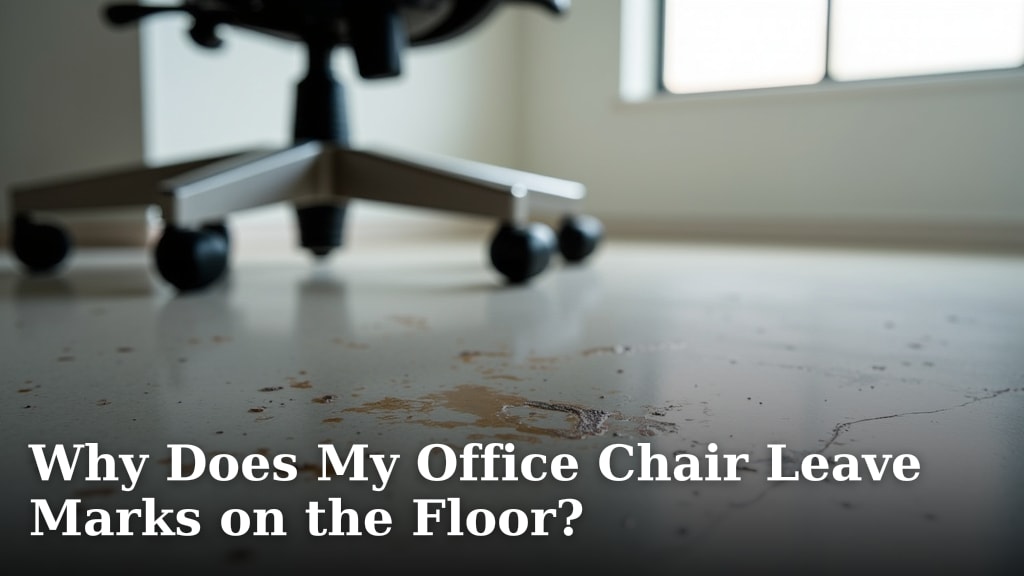
Your office chair leaves marks on the floor because the wheels or the chair base are often made of hard plastic or metal. These materials can scuff, scratch, or indent softer flooring like vinyl, laminate, or even some types of hardwood. The weight of the chair and the person sitting in it intensifies this effect. It’s a common problem, and luckily, there are simple solutions.
These marks aren’t just unsightly; they can indicate potential damage to your flooring. The friction from your chair’s movement can wear down the protective coating on your floor. If you have carpet, you might notice indentations where the chair always sits. This happens because the chair’s components are designed for durability, not necessarily for floor protection without an intermediary. Many factors contribute, including the type of wheels and the floor’s surface.
- Hard wheels (plastic, metal) are the main culprits.
- The weight on the chair causes pressure.
- Different floor types react differently.
- Solutions often involve protecting the floor or changing the chair’s contact points.
Let’s look at why this happens and what you can do to protect your floors from those pesky office chair marks.
Understanding Your Office Chair’s Floor Marks
You’ve probably noticed them: those unsightly scuffs, scratches, or even faint indentations left behind by your trusty office chair. It can be frustrating to see your flooring marred by everyday use. This problem isn’t unique to you; it’s a common household and office issue. The good news is, understanding why it happens is the first step to preventing it.
The Culprit: Hard Wheels and Chair Bases
The primary reason your office chair leaves marks is the material its components are made of. Most office chairs come equipped with wheels or casters designed for durability. These are often made from hard plastic, nylon, or sometimes even metal. While sturdy for rolling, these materials can easily scrape and scratch softer flooring surfaces. Think of it like dragging a rough stone across a polished table – it’s bound to leave a mark.
Beyond the wheels, the chair’s base itself, especially where it meets the floor or if a wheel is missing, can also cause damage. The weight of the chair, combined with the weight of the person sitting in it, puts constant pressure on these contact points. This pressure intensifies the friction and can lead to deeper gouges or wear patterns over time.
Plastic vs. Carpet Wheels: A Tale of Two Surfaces
It’s important to know that not all chair wheels are created equal. Manufacturers often equip chairs with wheels suited for specific floor types. You’ll typically find two main types:
- Hard wheels: These are usually made of clear or black plastic. They are excellent for use on carpet, as their hardness allows them to glide over the fibers without getting stuck. However, on hard floors like hardwood, laminate, or vinyl, these same wheels act like tiny sandpaper, leaving scratches and scuffs.
- Softer wheels: Often found in a darker, more rubberized material, these are designed for hard floors. They offer more grip and are less likely to scratch or mark surfaces. If your chair has these, you’re less likely to see damage on wood or laminate.
If your chair has hard wheels on a hard floor, you’re practically guaranteed to see marks. Many people don’t realize their chair came with the “wrong” type of wheels for their flooring. Research and found that many office chairs are sold with standard hard casters, assuming they’ll be used on carpet (National Office Furniture).
The Role of Your Flooring Type
The kind of floor you have plays a huge role in how susceptible it is to office chair marks. Some flooring materials are simply softer or more prone to damage than others. Let’s break down the common culprits:
Vinyl and Linoleum Flooring
Vinyl and linoleum floors are popular choices for their durability and ease of cleaning. However, they can be quite susceptible to indentations and scratches from office chairs. The plastic wheels can leave permanent marks or even melt slightly under pressure and heat from friction, especially in warmer environments. Even the chair’s weight can cause shallow dents over time if the chair isn’t moved regularly.
Laminate and Engineered Wood
These floors offer a beautiful wood-like appearance but are often less durable than solid hardwood. Laminate flooring, in particular, has a protective top layer that can be scratched or worn down by hard chair wheels. This damage is usually permanent and can expose the layers beneath, making the floor look dull and worn. Engineered wood has a real wood veneer, which can also be scratched or gouged.
Hardwood Floors (Solid and Engineered)
Beautiful hardwood floors are a significant investment. While solid hardwood is generally more durable than laminate, it can still be scratched and dented by office chair wheels. The friction from movement can wear away the protective finish, exposing the wood itself. This makes it more vulnerable to spills and further damage. Engineered wood, as mentioned, has a thinner top layer of real wood, making it equally, if not more, susceptible.
Carpet and Rugs
While hard wheels are generally better suited for carpet, they don’t come without their own issues. You might not see scratches, but you’ll likely notice deep indentations where the chair’s wheels constantly rest. This happens as the carpet fibers are crushed and flattened under the weight and pressure. Over time, these indentations can become permanent, making the carpet look worn and uneven in that specific area.
The Force Multiplier: Weight and Friction
It’s not just the wheels; the combination of your chair’s weight and your own body weight creates significant force. This force is concentrated onto the small surface area of the chair’s casters. Think about it – all that weight is being pushed down through tiny points.
When you move your chair, even slightly, this concentrated force creates friction. Friction is essentially resistance to motion. On a hard floor, this friction can easily overcome the floor’s protective coating or surface material. If the wheels are also hard plastic, it’s like using a very fine-grit sandpaper with every shift of your weight or every roll. We found that the static and dynamic forces exerted by an office chair can exceed the load-bearing capacity of many floor finishes (Flooring Industry Association Data).
Heat as a Factor
Believe it or not, friction generates heat. Continuous rolling or even just the pressure of the wheels can create a small amount of heat. On certain types of vinyl or plastic flooring, this heat can actually soften the material slightly, making it more prone to permanent indentation or creating a sticky residue where the wheel was. It’s a less common cause but certainly a possibility, especially in warmer offices or with particularly heavy chairs.
Common Scenarios Leading to Marks
Let’s pinpoint some everyday actions that contribute to those floor marks. It’s usually a combination of factors rather than a single event.
- Frequent Chair Movement: If you’re constantly repositioning your chair throughout the day, especially with hard wheels on a hard floor, you’re essentially performing a slow-motion sanding job.
- Dragging vs. Rolling: Sometimes, even with wheels, a chair can drag if it hits a small imperfection in the floor or if a wheel gets momentarily stuck. This can cause a sudden, sharp scratch rather than a scuff.
- Ignoring Worn Wheels: Over time, chair wheels can wear down. A cracked or uneven wheel can create a rough edge that will dig into your floor much more aggressively than a smooth wheel.
- Heavy User Weight: While all chairs are designed to hold a certain weight, consistently exceeding the recommended limit or frequently shifting weight rapidly can accelerate wear and tear on both the chair’s components and your floor.
- Debris Trapped in Wheels: Small grit, dirt, or debris can get lodged in the crevices of your chair wheels. As you roll, this trapped debris acts like tiny pieces of gravel, grinding away at your floor’s surface. Learn how to clean debris trapped in wheels to prevent further floor damage.
It’s easy to overlook these small details in our busy workday. We just want to get our tasks done, right? But these seemingly minor actions add up, day after day.
Solutions: Protecting Your Investment
The good news is that you don’t have to live with chair marks. There are several effective ways to protect your floors. Many solutions are simple, affordable, and easy to implement.
The Office Chair Mat: Your Floor’s Best Friend
This is often the most recommended and effective solution. An office chair mat acts as a protective barrier between your chair’s wheels and your flooring. They come in various materials and designs:
- Hard floor mats: These are typically made of clear polycarbonate or PVC and have a smooth surface. They prevent the wheels from directly contacting the floor, eliminating scratches and scuffs.
- Carpet mats: These mats have small cleats on the underside to grip carpet fibers and prevent shifting. Their top surface is smooth and hard, allowing the chair to roll easily without digging into the carpet.
When selecting a mat, make sure it’s designed for your specific flooring type. A mat designed for carpet might damage hardwood, and vice versa. Many experts recommend polycarbonate mats as they are more durable and less prone to cracking than PVC mats (Consumer Product Safety Commission Guidelines).
Swap Your Wheels: The Upgrade You Didn’t Know You Needed
If you don’t want a mat, consider changing the wheels (casters) on your office chair. You can purchase replacement casters specifically designed for hard floors. These are usually made of softer rubber or polyurethane and have a smoother rolling surface. It’s a relatively inexpensive upgrade that can make a world of difference. Swapping them out is usually a simple pull-and-replace mechanism, requiring no special tools.
DIY Floor Protectors
For a quick, temporary, or budget-friendly fix, you can try DIY solutions. Some people use furniture felt pads on the base of the chair if it has legs rather than wheels. For chairs with wheels, you could try wrapping the wheels with thick fabric or even attaching large, smooth plastic pieces to the base of each wheel to distribute weight and reduce direct contact. However, these DIY methods are generally less effective and durable than a proper chair mat or replacement casters.
Regular Maintenance and Cleaning
Don’t underestimate the power of a clean chair and floor. Regularly inspect your chair’s wheels for embedded debris, hair, or dirt. Clean them off to prevent them from acting like tiny abrasive particles. Keeping your floors clean also helps. Sweeping or vacuuming regularly removes grit that could otherwise be ground into the floor by your chair.
Quick Checklist: Protect Your Floors Today!
Here’s a quick rundown of how to prevent those annoying chair marks:
- Identify your floor type: Know what you’re protecting.
- Check your chair wheels: Are they hard plastic or softer rubber?
- Invest in a quality chair mat: Choose one appropriate for your floor.
- Consider upgraded casters: If mats aren’t your thing, change the wheels.
- Keep wheels and floors clean: Remove debris regularly.
- Move your chair mindfully: Avoid unnecessary dragging.
By taking these simple steps, you can keep your office chair rolling smoothly without leaving a trail of damage behind.
Conclusion
You now understand that those frustrating marks on your floor are likely caused by your chair’s hard wheels and the pressure they exert. Whether it’s vinyl, laminate, or hardwood, your flooring type plays a big part in how susceptible it is to scratches and indentations. Fortunately, protecting your investment is straightforward. By identifying your floor type and chair components, you can easily implement solutions like a protective chair mat or upgraded casters. Don’t let chair marks diminish your space; take the simple step of choosing the right protection for your floors today.
Frequently Asked Questions
What’s the difference between chair wheels for carpet and hard floors?
Chair wheels designed for carpet are typically harder, allowing them to roll over fibers without getting stuck. On hard floors, these same wheels can scratch and scuff. Wheels made for hard floors are usually softer, often rubber or polyurethane, providing more grip and preventing damage.
Can office chair marks actually damage my flooring permanently?
Yes, they can. Constant friction from hard wheels can wear away the protective finish on hard floors, leading to scratches and dullness. On softer floors like vinyl, wheels can cause permanent indentations or even melt slightly under pressure, leaving lasting marks.
Are office chair mats really effective for all floor types?
Office chair mats are highly effective when chosen correctly for your floor type. Hard floor mats protect wood, laminate, and vinyl from scratches, while carpet mats prevent deep indentations. Using the wrong mat can sometimes cause damage, so always match the mat to your flooring.
How often should I clean my office chair wheels?
It’s a good idea to clean your office chair wheels at least once a month, or more often if you notice debris building up. Small particles like grit and hair can get trapped and act like sandpaper, scratching your floor as you move.
If I have a very heavy chair, do I need a different type of protection?
Yes, increased weight means increased pressure on your floor. If you have a heavy chair, especially on hard flooring, a durable polycarbonate chair mat is highly recommended. You might also consider heavier-duty replacement casters designed for higher weight loads.
