
How to Lock Office Chair Wheels?
Yes, you can absolutely lock office chair wheels to prevent unwanted movement. Many office chairs come with built-in locking mechanisms, or you can use readily available products like wheel stoppers or casters with locks. This is a simple way to make your chair more stable and secure.
Tired of your chair rolling away when you’re trying to work? It’s a common problem, especially on smooth floors. Fortunately, there are several effective methods to keep your office chair from sliding. You can find solutions that are easy to install and require minimal effort.
- Look for chairs with built-in wheel locks.
- Use aftermarket wheel stoppers or locking casters.
- Consider chair mats for added stability.
- Clean your existing casters regularly.
Let’s walk through the easiest ways to secure your office chair wheels so you can focus on your work without distraction.
Keeping Your Office Chair from Rolling Away
Is your office chair a bit too mobile? Does it scoot away when you lean forward to type or reach for something? You’re not alone! Many of us deal with chairs that have a mind of their own. Fortunately, there are several simple ways to keep your office chair wheels from rolling unexpectedly. We’ll cover how to make your chair more stable without a lot of fuss.
Understanding Why Your Chair Rolls
Most office chairs use casters, which are essentially small wheels. These are designed for easy movement on various office surfaces. However, on smooth floors like hardwood, laminate, or polished concrete, these wheels can glide a little too freely. The lack of friction is the main culprit. Your body weight shifts as you move, and that’s enough to send your chair rolling. This can be more than just annoying; it can disrupt your workflow and even lead to minor accidents.
The Role of Casters
The casters on your office chair are the primary reason it moves. They are typically made of hard plastic or rubber. Standard casters are designed for mobility, not for staying put. They allow you to swivel and glide around your workspace. Some chairs come with different types of casters depending on the intended flooring. For example, chairs meant for carpet often have harder wheels. Chairs for hard floors might have softer, rubberized wheels to provide a bit more grip.
Floor Surfaces and Friction
The type of floor you have makes a big difference. Hardwood and tile floors offer very little resistance. This means your chair can roll with the slightest push. Carpet, on the other hand, offers more friction. It naturally slows down your chair’s movement. If you have smooth floors, you’ll likely experience more rolling. This is why solutions often focus on increasing the friction or physically blocking the wheels.
Methods to Lock Your Office Chair Wheels
Let’s look at the most effective strategies to stop your chair from drifting. We’ve researched several options, from built-in features to simple add-ons. You can choose what works best for your chair and your budget.
Checking for Built-In Locking Mechanisms
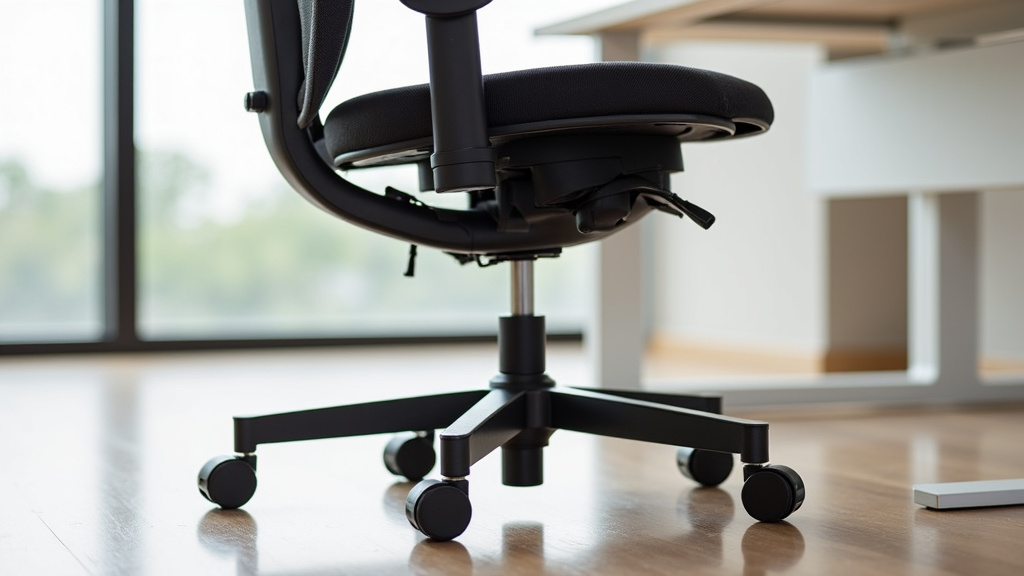
Did you know some office chairs come with a built-in way to stop the wheels? It’s true! Many higher-end or more ergonomically designed chairs have a lever or a button that can lock the casters. This is often a discreet feature. You might need to look closely at the base of your chair, near where the casters attach to the central column.
How to Find and Use Them
Examine the lever system under your seat. Some chairs have a single lever that controls all casters. Pushing it one way might allow free movement, while pushing it the other locks them. Other chairs might have individual locks on each caster. You would typically press a button or flip a small switch on each wheel. If you’re unsure, consult your chair’s instruction manual. It will detail any locking features and how to operate them.
Using Aftermarket Wheel Stoppers
If your chair doesn’t have built-in locks, don’t worry. There are many products designed specifically to prevent rolling. Wheel stoppers are a popular choice. These are often small wedges or blocks that you place under your casters. They act like chocks for your chair wheels.
Types of Wheel Stoppers
You can find several types of wheel stoppers. Some are simple rubber wedges. You simply slide them under your wheels when you want to stop movement. Others are more elaborate, designed to fit around the caster for a more secure hold. They are usually made of durable rubber or plastic. Many are quite affordable and easy to store when not in use. They provide a very direct way to stop your chair from rolling.
Installing Locking Casters
Another excellent solution is to replace your current casters with ones that have built-in locks. This is a more permanent fix than stoppers. It essentially upgrades your chair.
The Replacement Process
Replacing casters is usually straightforward. Most office chair casters use a stem-and-socket system. You can typically remove the old casters by pulling them straight out. Sometimes, a bit of wiggling or a firm tug is needed. You might even need to use a flathead screwdriver to gently pry them loose. Once the old ones are out, you just push the new locking casters into the sockets until they click securely into place. Make sure the new casters are compatible with your chair’s stem size. It’s a DIY-friendly upgrade. You can find locking casters online or at office supply stores.
Benefits of Locking Casters
Locking casters offer the most integrated solution. When locked, they effectively stop your chair from moving in any direction. This provides maximum stability. You can engage the lock when you need to stay put for focused work. Then, disengage it when you need to move around. It’s a convenient and reliable method. Research shows that proper ergonomic setup, including a stable chair, can improve comfort and productivity (Occupational Safety and Health Administration).
Considering Chair Mats
While not a direct locking mechanism, a good chair mat can significantly reduce unwanted rolling. Chair mats create a surface with more friction than many bare floors. They are especially useful on hard, smooth surfaces like hardwood or laminate.
How Mats Help
A chair mat provides a consistent surface for your casters. It prevents them from catching on uneven floorboards or sinking into carpet. The material of the mat itself offers more resistance than many polished floors. This means your chair will be much less likely to slide. Some mats even have a studded backing for carpet or a smooth backing for hard floors. They help protect your floor from caster wear and tear too. This can be a dual benefit for your workspace.
Quick Checklist for Securing Your Chair
Want to get your chair stabilized quickly? Here’s a simple checklist:
- Inspect your chair: Look for any built-in levers or buttons to lock the wheels.
- Check your manual: If you can find it, the manual will confirm if your chair has locks.
- Consider stoppers: Purchase simple wheel wedges for an easy, temporary solution.
- Think about replacements: Explore buying casters with integrated locking mechanisms. If you’re looking for a permanent solution, consider buying casters with integrated locking mechanisms.
- Evaluate your floor: A chair mat can add much-needed friction on smooth surfaces.
- Clean your casters: Sometimes, debris can affect wheel movement.
Maintaining Your Casters for Better Performance
Sometimes, the problem isn’t that your chair *can’t* lock, but that its wheels aren’t performing optimally. Regularly cleaning your casters can make a difference. Over time, dust, hair, and debris can get caught in the wheel mechanisms. This can cause them to stick or roll unevenly.
Simple Cleaning Steps
To clean your casters, you’ll usually need to turn your chair upside down. A soft cloth and some mild soap and water are often sufficient. For stubborn debris, a small brush can help. You can also use a can of compressed air to blow out dust. If you’re using locking casters or stoppers, cleaning helps ensure they function correctly. This simple maintenance can improve the overall performance of your chair’s mobility features.
Conclusion
Keeping your office chair from rolling away doesn’t have to be a hassle. You’ve learned about the simple reasons chairs move and explored several effective solutions. Whether your chair has built-in locks, you opt for wheel stoppers, or consider upgraded casters, there’s an option for you. Even a good chair mat can add the stability you need. Take a moment to assess your chair and your workspace. Then, choose the method that best fits your needs to create a more secure and productive environment.
Frequently Asked Questions
What’s the easiest way to stop my office chair from rolling?
The simplest methods are often wheel stoppers or chair mats. Wheel stoppers are small wedges you place under your casters. A chair mat provides more surface friction for your wheels. Both require no installation and can be used immediately.
Can I add locks to my existing office chair wheels if it doesn’t have them?
Yes, you can! The most common way is to replace your current casters with locking casters. This is a DIY-friendly upgrade. You’ll need to ensure the new casters are compatible with your chair’s stem size.
Will a chair mat actually stop my chair from rolling?
A chair mat helps significantly by increasing friction between your casters and the floor. While it doesn’t physically lock your wheels, it makes your chair much less likely to slide. This is especially effective on smooth surfaces like hardwood or laminate.
How do I know if my office chair already has locking wheels?
Many chairs with built-in locks have levers or buttons located near the base of the seat, where the casters attach. Check your chair’s design carefully for any such mechanisms. Consulting your chair’s instruction manual is the most reliable way to confirm.
Are there any maintenance tips for my chair wheels to prevent rolling?
Regularly cleaning your casters is important. Dust, hair, and debris can get stuck in the wheels, affecting their movement and stability. Turn your chair upside down and use a soft cloth and mild soap to clean them. This simple step can improve their performance.
