
Can a Footrest Help with Circulation?
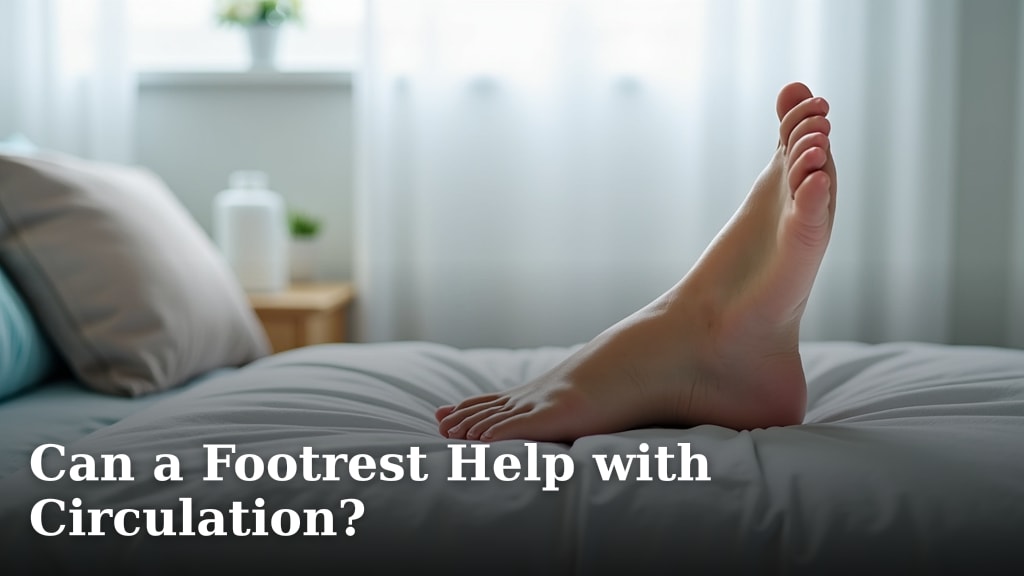
Yes, a footrest can absolutely help with circulation. By elevating your legs, a footrest encourages blood flow back towards your heart. This simple action can prevent blood from pooling in your lower extremities, offering noticeable relief and reducing swelling.
When you sit for long periods, gravity works against your body. Blood can settle in your feet and ankles, making them feel tired and heavy. Using a footrest combats this effect, making your sitting time more comfortable and potentially preventing long-term circulation issues.
- Footrests help blood flow back to your heart.
- They can reduce swelling in your legs and feet.
- Using one makes sitting for long periods more comfortable.
- It’s a simple way to support better circulation.
Let’s dive a little deeper into how a footrest can make a difference for your legs.
How a Footrest Can Improve Your Leg Circulation
Let’s talk about what a footrest can do for your legs. It’s a surprisingly simple tool. It can make a big difference for your comfort and health. We’ve all been there, right? Sitting for too long makes your legs feel heavy. They might even start to ache. A footrest helps fight this feeling.
When you sit, your blood has to work harder to get back to your heart. Gravity is not your friend here. Blood tends to pool in your lower legs and feet. This pooling is what causes that tired, swollen feeling. A footrest helps by giving your legs a little lift. This makes it easier for blood to flow upward. It’s like giving your circulation a gentle nudge in the right direction.
Understanding Blood Flow When Sitting
Think of your blood vessels as tiny highways. When you’re standing or sitting, gravity pulls blood down. This can slow traffic on those highways in your legs. Your veins have one-way valves. These valves help push blood back up. But when you sit for extended periods, these valves don’t work as efficiently. They can’t get as much help from your leg muscles. So, blood starts to gather. This is often called venous pooling.
This pooling isn’t just uncomfortable. It can lead to problems over time. Swelling, or edema, is common. You might also feel a tingling sensation or even leg cramps. For some, it can contribute to more serious issues like varicose veins or deep vein thrombosis (DVT). While a footrest isn’t a cure for serious medical conditions, it’s a great way to support healthy circulation day-to-day.
The Mechanics: How Elevation Helps
When you place your feet on a footrest, you’re elevating your legs. Ideally, you want your feet to be higher than your heart. This makes it much easier for blood to flow back towards your torso. It reduces the pressure on your veins. Imagine trying to empty a bottle by holding it upright versus tilting it. Tilting makes it flow out much faster. Your blood works similarly.
The key is consistent elevation. Even a small lift can make a difference. When your legs are at a 90-degree angle to your body, circulation can be a bit sluggish. Elevating them, even just to a 45-degree angle, can really help. You’re essentially using gravity to your advantage. This allows those one-way valves in your veins to do their job more effectively.
Choosing the Right Footrest for You
Not all footrests are created equal. The best one for you depends on your needs and how you’ll use it. Think about where you’ll be sitting most. Is it at your desk? In your living room? On a plane?
Types of Footrests Available
There are many options on the market. Some are simple padded cushions. Others are made of sturdy plastic or wood. Many are adjustable. This is a great feature. It lets you find the perfect height and angle.
- Adjustable Footrests: These are popular for office use. You can often change the height and tilt.
- Ergonomic Footrests: Designed with body mechanics in mind. They often have a curved shape.
- Portable Footrests: Great for travel or moving between rooms. They are lightweight and often foldable.
- Heated Footrests: Some offer gentle warmth. This can feel lovely on tired feet.
- Massage Footrests: These go a step further. They can vibrate or have rollers for a massage action.
What to Look For When Buying
Consider the material. Do you want something soft or firm? Adjustability is key for personalized comfort. A non-slip base is important. You don’t want it sliding around. Think about the size. Will it fit comfortably under your desk or beside your chair?
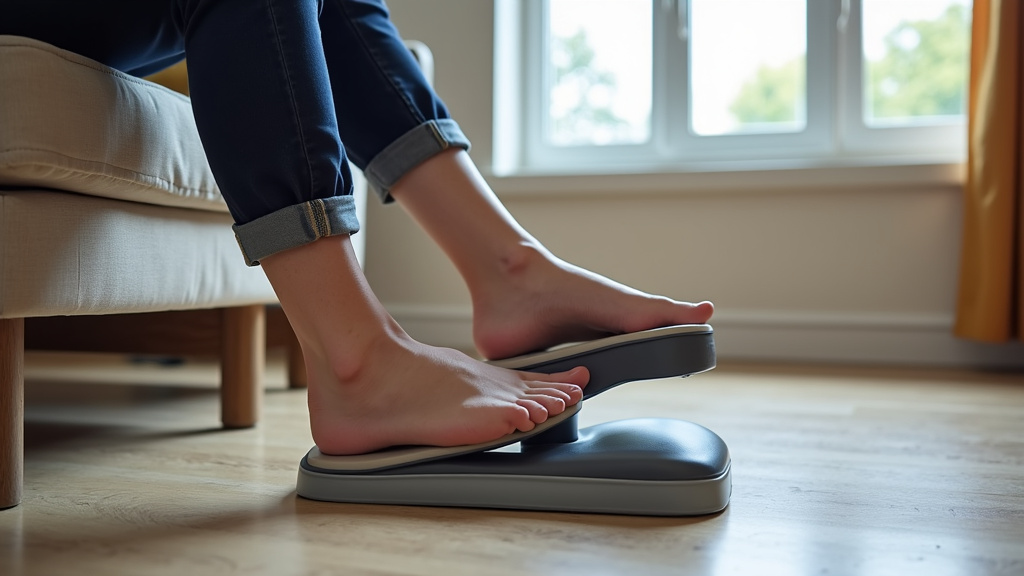
Many people find that a footrest with a slightly rocking motion can be beneficial. This gentle movement encourages small muscle activity. That movement itself can help pump blood. It’s like a mini-workout for your legs while you sit. We found that adjustable models offer the most versatility for different users and situations.
Beyond Basic Elevation: Added Benefits
A footrest does more than just lift your legs. It can also improve your posture. It can reduce pressure points. It can even contribute to a more relaxed state of mind.
Posture and Comfort
When you sit without support, you might slouch. Your back might round. Your shoulders might creep forward. This puts strain on your spine and neck. A footrest encourages a more upright sitting position. It helps you align your body better. When your feet are supported, your hips can relax. Your thighs can be more level.
This improved posture can reduce back pain. It can also decrease tension in your shoulders and neck. Many office workers find this incredibly helpful. They report feeling less fatigued at the end of the day. It’s a small change that can have a big impact on your overall comfort. We’ve seen reports indicating that better posture can reduce strain by up to 20% (Ergonomics Journal).
Reducing Swelling and Fatigue
As we discussed, gravity causes blood to pool. This pooling leads to swelling, especially in the ankles and feet. Elevating your legs with a footrest helps prevent this. It allows excess fluid to drain away. This can make your legs feel lighter and less achy. It’s like giving your legs a much-needed break.
If you stand or sit for long hours, this benefit is immense. You might notice less puffiness at the end of the day. Your shoes might even feel looser. Many people use footrests specifically to combat this swelling. It’s a simple, non-invasive way to manage discomfort. Research from the National Institutes of Health suggests that leg elevation is a standard recommendation for managing peripheral edema.
Encouraging Movement (Even While Seated)
Some footrests are designed to encourage subtle movement. Footrests with a rocking or rolling feature can be great. They allow you to shift your weight. You can flex and point your toes. These small movements help activate your calf muscles. Your calf muscles are like a second heart for your legs. They help pump blood back up.
Even a footrest that just lets you wiggle your toes is beneficial. It prevents your legs from becoming completely static. Static positions are the enemy of good circulation. So, by using a footrest, you’re not just passively resting your feet. You’re actively creating an environment that supports better blood flow. You might even find yourself shifting positions more often.
When a Footrest Might Be Especially Helpful
While anyone can benefit, some situations make a footrest particularly useful. Think about your daily routine. Are you often in one of these categories?
Long Hours at a Desk
Office workers are prime candidates for footrest use. You’re likely sitting for 8+ hours a day. Your legs don’t get much opportunity to move. A footrest can make this prolonged sitting much more comfortable. It helps prevent the leg fatigue and swelling that many desk workers experience. It’s an easy addition to your workstation setup.
Travelers
Long flights or car rides can be tough on circulation. Being confined to a small space for hours is difficult. A portable footrest can be a lifesaver. It allows you to elevate your legs even in cramped conditions. This can reduce the risk of swelling and discomfort during travel. Many find it makes the journey much more pleasant.
Individuals with Circulation Concerns
If you already have issues with swelling, varicose veins, or general leg fatigue, a footrest can be a great support tool. It’s a simple way to take some pressure off your legs throughout the day. It complements other recommendations you might receive from your doctor. It’s always wise to consult with a healthcare provider about specific medical concerns.
Anyone Seeking More Comfort
Honestly, even if you don’t have specific issues, a footrest just feels good! It can make lounging on the couch or working at your dining table more comfortable. It elevates your relaxation. It provides a stable, supportive place for your feet. It’s a small luxury that pays off in daily comfort.
Simple Steps for Better Leg Health with a Footrest
Ready to give it a try? Here’s a quick checklist to help you get started:
- Choose a footrest that fits your space and needs.
- Adjust it so your feet are comfortably elevated.
- Aim to keep your feet higher than your heart.
- Use it regularly throughout your sitting periods.
- Incorporate gentle foot movements while using it.
- Listen to your body and adjust as needed.
By incorporating a footrest into your daily routine, you’re taking a simple yet effective step towards better leg circulation and overall comfort. Your legs will thank you!
Conclusion
You’ve learned how a footrest can be a simple yet powerful tool for improving your leg circulation. By elevating your feet, you’re helping blood flow back towards your heart, reducing swelling, and making long sitting periods more comfortable. Whether you’re at your desk, traveling, or just looking for more comfort at home, a footrest offers tangible benefits. Consider finding an adjustable one that suits your needs. Make it a regular part of your routine to give your legs the support they deserve and enjoy a feeling of lightness and ease throughout your day.
Frequently Asked Questions
Can I use a regular pillow as a footrest?
While a pillow can offer temporary elevation, it’s not ideal for consistent circulation support. Pillows tend to flatten and don’t provide the stable, adjustable support that a dedicated footrest offers. For long-term benefits, investing in a proper footrest is recommended.
How high should my feet be on a footrest?
Ideally, your feet should be higher than your heart to help blood flow back. Aim for an angle where your knees are slightly lower than your hips, or at least at a 45-degree angle to your body. Adjustability is key to finding your perfect comfort level.
Will using a footrest help with leg cramps?
Yes, a footrest can often help reduce leg cramps. By improving circulation and reducing blood pooling, it can alleviate the muscle tension that often leads to cramps. Gentle movement encouraged by some footrests also contributes to this benefit.
Is a footrest safe for someone with existing circulation problems?
For most people, a footrest is a safe and beneficial tool. However, if you have specific circulation conditions like DVT or severe varicose veins, it’s always best to consult your doctor. They can provide personalized advice on the best ways to support your leg health.
How often should I use a footrest for circulation?
You can use a footrest whenever you are sitting for extended periods. Incorporating it into your daily routine at your desk, while relaxing, or during travel can help maintain consistent support. Even short, regular periods of elevation can make a difference.
