
How to Improve Circulation While Sitting at a Desk?

You can absolutely improve circulation while sitting at your desk. Simple movements like ankle circles and leg extensions can make a big difference. Even small changes can help get your blood flowing better throughout the day.
Sitting for long periods can slow down circulation. This might lead to discomfort and other issues. But don’t worry, there are easy ways to combat this. We found that incorporating desk exercises and changing your posture can really help.
- Move your legs and feet often.
- Try simple stretches at your desk.
- Consider a standing desk or breaks.
- Stay hydrated to aid blood flow.
- Check your posture while sitting.
Ready to feel better and boost your energy? Let’s walk through some simple, effective ways to improve your circulation right at your desk.
Boosting Your Blood Flow While Stuck at Your Desk
Sitting for hours can feel like a trap for your circulation. Your legs and feet might feel heavy or tingly. This happens because blood flow slows down when you’re not moving much. But don’t worry, we’ve found many simple ways to keep your blood pumping even when your chair is your main spot.
We know it’s tough. You’re focused on work, deadlines loom, and getting up seems like a big ask. Yet, taking just a few minutes here and there can make a world of difference. Let’s look at easy movements and smart habits you can adopt right now.
Simple Stretches You Can Do While Seated
Your desk doesn’t have to be a circulation standstill. Many movements can be done right in your office chair. These are designed to get your blood moving without needing much space or equipment. Think of them as mini-breaks for your body.
Ankle and Foot Movements
Your feet and ankles are often the first places to feel the effects of sitting. They’re the furthest from your heart. Simple movements here can really wake them up.
Ankle Circles
Lift one foot slightly off the floor. Now, rotate your ankle in a circular motion. Do this 10-15 times in one direction, then switch to the other. Repeat with your other foot. This helps keep the joints lubricated and gets blood flowing into those often-neglected extremities.
Point and Flex
Stretch your leg out in front of you, if space allows. Point your toes forward as far as you can. Then, flex your foot, pulling your toes back towards your shin. Repeat this 10-15 times for each leg. This action engages your calf muscles and helps push blood back towards your heart.
Toe Wiggles and Curls
Sometimes, just wiggling your toes can help. Try to spread them apart, then curl them in. It sounds small, but any movement is better than none. Research indicates that even minor muscle contractions can improve blood flow (NCBI).
Leg and Thigh Exercises
Don’t forget your larger leg muscles. Engaging them can create a stronger pump for your circulation.
Seated Leg Extensions
Sit up straight. Extend one leg straight out in front of you, tightening your thigh muscles. Hold for a few seconds, then slowly lower your leg. Repeat this 10-15 times on each side. It’s like a mini-workout for your quads that aids circulation.
Knee Lifts
While seated, lift one knee towards your chest. You can use your hands to gently assist if needed. Hold for a few seconds, then lower. Alternate legs. This movement helps activate the muscles in your hips and thighs.
Upper Body and Core Engagement
It’s not just your lower body! Your core and upper body also play a role in overall circulation.
Shoulder Rolls and Neck Stretches
Let your shoulders drop away from your ears. Roll them forward in a circular motion 10 times, then backward 10 times. Gently tilt your head towards one shoulder, hold for a few seconds, then repeat on the other side. This releases tension, which can sometimes restrict blood flow.
Torso Twists
Sit tall. Gently twist your upper body to the right, keeping your hips stable. Reach your right hand back towards your chair if comfortable. Hold for a few breaths, then return to center and twist to the left. This helps with spinal mobility and can encourage better blood flow throughout your torso.
The Power of Micro-Movements Throughout Your Day
We found that you don’t need a full workout to make a difference. Tiny movements, done frequently, can be just as effective. Think of these as “movement snacks.”
Alternating Sit-to-Stands
If you have a standard desk, try this: stand up, then sit back down. Do this for one minute every hour. You can even add a slight pause at the top, as if you’re doing a mini-squat. This simple action gets your leg muscles working and boosts blood flow.
Desk “Marches”
While seated, lift your knees alternately as if you were marching in place. It might look a bit funny, but it’s a fantastic way to keep your leg muscles active. Try to do this for 30-60 seconds every half hour.
Leg Jiggles and Shakes
Just letting your legs shake or jiggle can help. It’s a very low-effort way to get some movement going. Some people find it relaxing, too! We found that even a gentle shake can help loosen up tense muscles.
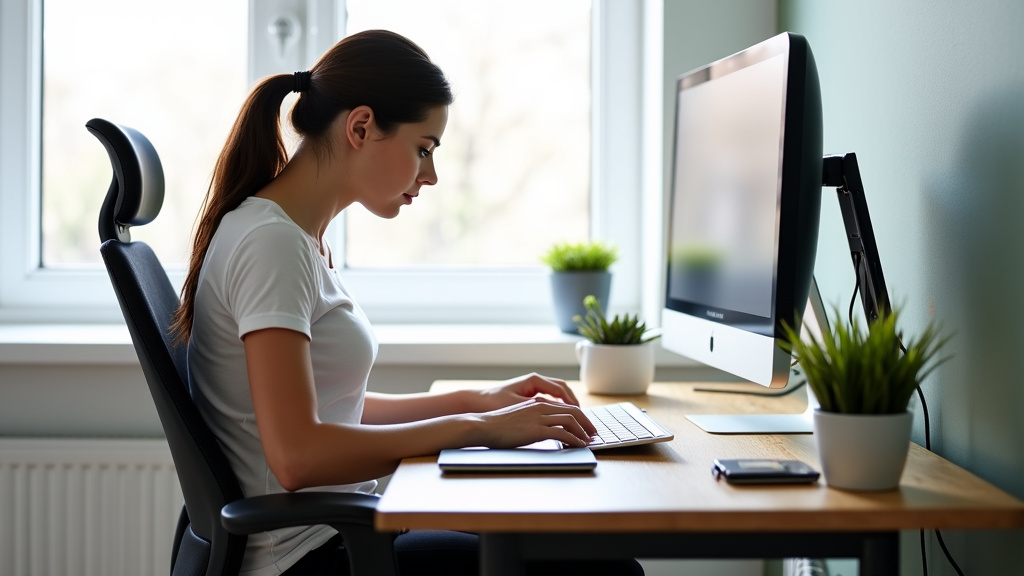
Optimizing Your Workspace for Better Circulation
Your desk setup itself can influence how well your blood circulates. Small adjustments can have a big impact.
Posture Matters More Than You Think
Slouching can actually put pressure on blood vessels. Try to sit up tall with your feet flat on the floor. Your shoulders should be relaxed, not hunched. Many experts suggest keeping your back supported by your chair (Cleveland Clinic). Good posture ensures your body is aligned, allowing for smoother blood flow.
Consider a Height-Adjustable Desk
If your workplace allows, a standing desk or a converter can be a game-changer. Alternating between sitting and standing throughout the day is one of the best ways to combat sedentary issues. Aim for a mix, perhaps 30 minutes of standing for every hour of sitting.
Keep Hydrated!
This is a big one, and often overlooked. Dehydration can make your blood thicker, slowing circulation. Keep a water bottle at your desk and sip throughout the day. Aim for clear or light yellow urine, which indicates good hydration levels. We found that staying well-hydrated is key for optimal blood viscosity (Mayo Clinic).
| Habit | Benefit for Circulation | How Often? |
|---|---|---|
| Ankle Circles | Improves blood flow in feet and ankles, joint mobility. | 1-2 minutes every hour. |
| Seated Leg Extensions | Engages thigh muscles, aids blood return. | 10-15 reps per leg, 2-3 times daily. |
| Standing Breaks | Reduces pressure on legs, increases overall movement. | 5 minutes every hour or two. |
| Hydration | Keeps blood less viscous, aiding easy flow. | Sip consistently throughout the workday. |
| Posture Check | Prevents compression of blood vessels. | Hourly self-check and adjustment. |
Making It Stick: Your Circulation Checklist
Ready to make these changes a habit? Here’s a quick checklist to keep you on track:
- Set a Timer: Use your phone or computer to remind you to move every 30-60 minutes.
- Drink Up: Keep that water bottle filled and within reach.
- Stretch Briefly: Even 30 seconds of ankle rolls can help.
- Stand Up: Aim to stand at least a few times each day.
- Listen to Your Body: If something feels uncomfortable, adjust.
It’s amazing what small, consistent efforts can do for your circulation. By incorporating these simple techniques, you can combat the effects of prolonged sitting and feel more energized throughout your workday.
Conclusion
You’ve learned that improving your circulation while sitting at your desk is totally achievable. Simple habits like ankle circles and leg extensions can make a real difference. Remember to take frequent breaks to stand or stretch, and always keep that water bottle handy. By incorporating these small, consistent movements and adjustments, you’ll combat the negative effects of prolonged sitting. Start today by setting a timer to remind yourself to move; your body will thank you!
Frequently Asked Questions
What’s the quickest way to improve circulation if I’m short on time?
When you’re really pressed for time, focus on rapid micro-movements. Try doing desk marches for 30 seconds or toe wiggles for a minute. Even simple ankle circles can get blood flowing quickly.
Can poor posture really affect my blood flow?
Yes, poor posture can absolutely impact your circulation. Slouching can compress blood vessels, making it harder for blood to travel efficiently. Sitting up straight with your feet flat on the floor helps ensure better alignment and smoother blood flow.
How much water do I really need to drink for circulation?
Staying hydrated is key. Aim to sip water consistently throughout your workday to keep your blood less viscous and flowing easily. A good indicator of proper hydration is having light yellow urine.
Is it okay to do these exercises loudly at my desk?
Most of these exercises are designed to be discreet. Movements like ankle circles, seated leg extensions, and toe wiggles can be done quietly. You can also incorporate brief standing breaks every hour.
Will using a standing desk completely solve circulation issues?
A standing desk is a great tool for improving circulation by reducing sedentary time. However, it’s most effective when you alternate between sitting and standing throughout the day. It’s about movement variety, not just standing still.
