
Why Do My Feet Swell Sitting at a Desk All Day?
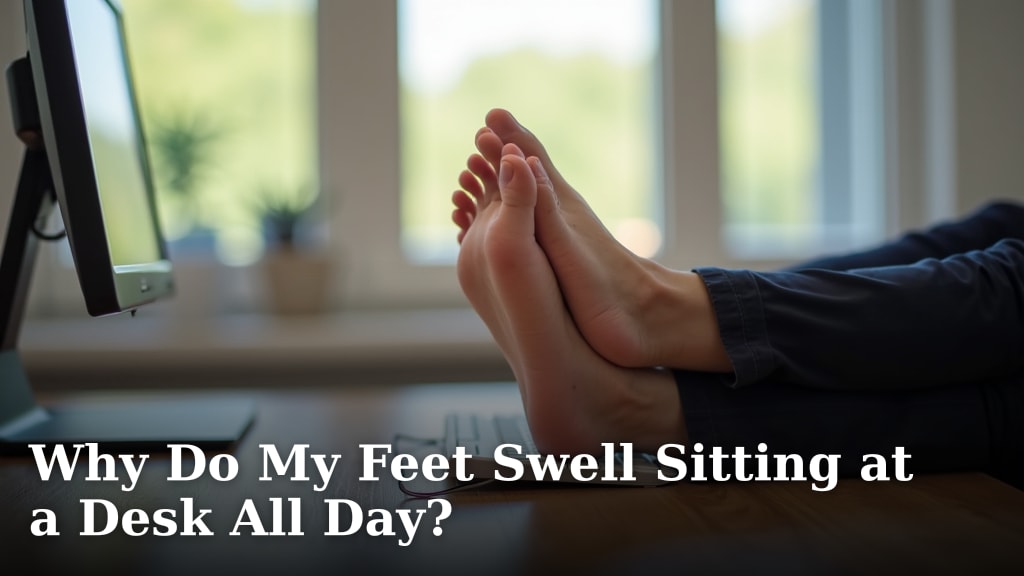
Your feet swell sitting at a desk all day because prolonged sitting makes it harder for blood to flow back up to your heart. This causes blood to pool in your lower legs and feet, leading to that puffy, uncomfortable feeling. It’s a common issue for desk workers when gravity works against circulation.
This swelling, often called edema, isn’t just about discomfort. It can also be a sign that your body needs a little help moving fluids. Staying in one position for hours means your muscles aren’t pumping blood efficiently. We found that even small movements can make a big difference for your circulation.
- Swollen feet happen from sitting too long.
- Blood pools in your legs due to gravity.
- Muscles need to move to pump blood well.
- Simple movements can help a lot.
Ready to tackle that swollen feeling? Let’s look at why this happens and what you can do about it.
Understanding Why Your Feet Swell at Your Desk
Swollen feet when you sit at a desk all day is a super common problem. You’re not alone in this puffy predicament! It happens because gravity is constantly pulling fluids down towards your feet. When you sit for long stretches, your body’s natural pump – your leg muscles – isn’t working as hard. This makes it tougher for blood and lymph fluid to travel back up to your heart.
Gravity’s Role in Foot Swelling
Think of your body like a plumbing system. Your heart is the main pump pushing fluids out. When you’re standing or walking, your muscles squeeze your veins and lymphatic vessels. This action helps push those fluids upward. Sitting for hours is like turning down the pump. The fluid gets stuck lower down, primarily in your feet and ankles. This pooling is what causes that tight, swollen feeling. Learn why sitting all day can lead to hip pain.
The Impact of Inactivity on Circulation
Your muscles are really important for circulation. When you sit still, they relax. This lack of squeezing action means blood flow slows down. We found that even small movements can make a big difference for your circulation. Your body needs movement to keep fluids moving efficiently. Without it, fluid can build up, leading to swelling, also known as edema.
Common Causes of Swollen Feet for Desk Workers
While sitting too long is the main culprit, other factors can make foot swelling worse. It’s helpful to know what else might be contributing to your puffy feet.
Dehydration and Salt Intake
Did you know that not drinking enough water can actually cause your body to hold onto fluids? It sounds counterintuitive, but when you’re dehydrated, your body tries to conserve the water it has. This can lead to swelling. Similarly, a diet high in sodium (salt) can make your body retain more water. This extra fluid can then contribute to swollen feet. Many health guidelines suggest limiting sodium intake to help manage fluid balance (CDC).
Poor Posture and Foot Position
How you sit and where you place your feet matters. Crossing your legs for extended periods can restrict blood flow. Slouching can also put added pressure on your circulatory system. Keeping your feet flat on the floor or elevated slightly can help improve circulation. We found that paying attention to your posture can reduce pressure points.
Underlying Health Conditions
While desk work is a common reason for swollen feet, it’s important to note that sometimes swelling can be a sign of a more serious health issue. Conditions like kidney disease, heart problems, or vein issues can cause fluid retention. If your swelling is severe, painful, or doesn’t go away with simple remedies, it’s wise to talk to your doctor. They can help rule out any underlying health concerns (Mayo Clinic).
Simple Strategies to Reduce Foot Swelling
The good news is that you don’t need to endure swollen feet! There are many easy things you can do right at your desk to help. We found that incorporating a few simple habits can make a world of difference.
Incorporate Movement Breaks
This is your most powerful tool. Even a few minutes of movement every hour can greatly improve circulation. Set a timer to remind yourself to get up and move. You don’t need to go for a long walk; a quick stroll to the water cooler or the restroom is enough. We found that short, frequent breaks are more effective than one long break.
Desk Stretches and Exercises
You can do a lot without even leaving your chair. Try ankle circles, pointing and flexing your toes, and calf raises. Rolling your feet over a tennis ball or a frozen water bottle can also feel amazing and promote blood flow. These small actions help pump blood and lymph fluid back up towards your heart.
Elevate Your Feet When Possible
If your workspace allows, try to elevate your feet. Use a footrest or even a small stool. Aim to have your feet higher than your heart if you can. Even elevating them to be level with your hips can help reduce fluid pooling. We found that elevating your legs for short periods throughout the day can offer significant relief.
Stay Hydrated and Watch Your Salt
Remember that water we talked about? Drink plenty of water throughout the day. This helps your body flush out excess sodium and fluids. As mentioned before, try to limit salty snacks and processed foods. This simple change can help your body manage fluid balance more effectively. Many nutritionists recommend this approach (Cleveland Clinic).
Wear Comfortable Footwear
Tight shoes can restrict circulation. Opt for comfortable, supportive shoes that don’t pinch your feet. Avoid high heels or shoes with very narrow toe boxes, especially if you’re prone to swelling. Loose-fitting socks or compression socks can also help improve blood flow, but make sure they aren’t too tight.
Your Action Plan for Happier Feet
Ready to put this into practice? Here’s a quick checklist to help you start. We found that making small, consistent changes is key to long-term relief.
- Set a timer for movement breaks every hour.
- Do simple leg and foot stretches at your desk.
- Elevate your feet whenever you get a chance.
- Drink water consistently throughout the day.
- Choose comfortable, non-restrictive footwear.
- Be mindful of your sodium intake.
By understanding why your feet swell and taking these simple steps, you can make your workday much more comfortable. Your feet will thank you for it!
Conclusion
You’ve learned that swollen feet at your desk are usually due to inactivity and gravity. Your leg muscles need to work to pump fluids back up. When you sit for long periods, this natural pump slows down. This can cause discomfort and puffiness. Remember that simple movements and regular breaks are your best defense. Make a commitment to incorporate these easy habits into your workday. Your feet will feel much better, and you’ll be more comfortable all day long.
Frequently Asked Questions
How often should I take movement breaks?
We found that taking short breaks every hour is most effective. Aim for at least 1-2 minutes of movement each hour. Even a quick walk to get water helps. Setting a timer can be a great reminder.
Can sitting with my legs crossed make swelling worse?
Yes, sitting with your legs crossed for long periods can restrict blood flow. This makes it harder for fluids to return to your heart. Try to keep your feet flat on the floor. Or use a footrest to maintain better circulation.
What kind of shoes are best if my feet swell?
Opt for shoes that are comfortable and not too tight. Avoid narrow toe boxes or high heels. Wide-fit shoes or sneakers with good support are often a good choice. You want footwear that doesn’t pinch or restrict your feet.
Is drinking water really helpful for swollen feet?
Absolutely. Staying hydrated helps your body flush out excess sodium. This can reduce fluid retention. Dehydration can actually make your body hold onto fluids. So, keep that water bottle full!
When should I be concerned about my swollen feet?
While desk work causes swelling, severe or sudden swelling can be serious. If your swelling is painful, only on one side, or doesn’t improve with simple remedies, see a doctor. It could indicate an underlying health issue like a blood clot or kidney problem.
