
How Does a Heated Seat Cushion Work?
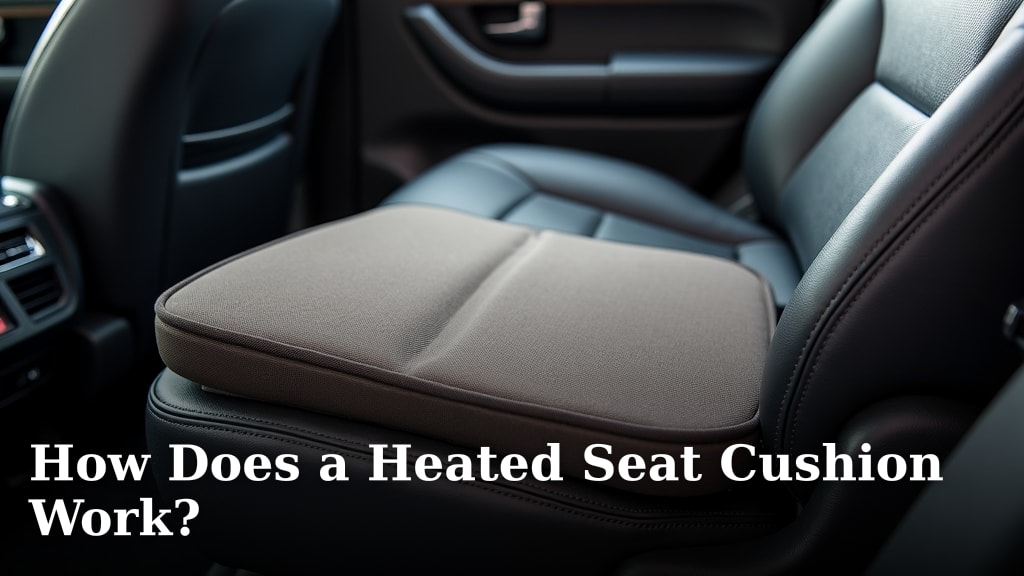
A heated seat cushion works by using electrical resistance to generate warmth. When electricity flows through special wires embedded within the cushion, these wires heat up, warming the material around them. It’s a simple yet effective way to stay cozy.
Think of it like a tiny, controlled heating pad for your favorite chair. Many heated cushions have adjustable settings, allowing you to control the intensity of the heat. This makes them perfect for chilly offices or drafty living rooms, providing targeted warmth right where you need it.
- Heated seat cushions use wires to create warmth.
- Electricity passes through these wires, making them hot.
- You can often adjust the heat level.
- They’re great for adding extra comfort to any seat.
Let’s break down exactly how this cozy technology keeps you toasty. We’ll look at the components and how they work together.
Understanding Your Heated Seat Cushion’s Magic
So, how exactly does that simple cushion transform a chilly seat into a cozy haven? It’s all about harnessing electricity to create warmth. Think of it as a miniature, portable version of your home’s heating system, but designed just for your seating comfort.
The core principle is surprisingly straightforward. We’ll break down the main parts and how they team up to keep you toasty, whether you’re at your desk, in your car, or just relaxing on the couch. It’s a clever piece of technology that’s easier to grasp than you might think.
The Inner Workings: What Makes it Warm?
At the heart of every heated seat cushion are a few key components working in harmony. The main players are the heating elements, the power source, and the controls. Together, they create that delightful warmth you feel.
Heating Elements: The Warmth Generators
These are the superstars of your heated cushion. They’re usually thin wires, often made of a special alloy like Nichrome. This material is chosen because it has a specific electrical resistance. When electricity flows through it, the resistance causes the wire to heat up. It’s the same basic science behind a toaster or an electric heater, just scaled down.
Researchers have found that these wires are carefully woven or embedded into the fabric of the cushion. They’re positioned strategically to distribute heat evenly. You won’t typically feel the wires themselves; they’re usually encased in a protective layer or blended so well you just feel the warmth.
The Role of Electrical Resistance
You might remember learning about electrical resistance in school. It’s basically a material’s opposition to the flow of electric current. For heating elements, this resistance is key. When electrons in the electric current bump and grind their way through the resistant wire, they lose energy, and that energy is released as heat.
The thicker or more conductive a wire is, the less resistance it has, and the less it will heat up. The special alloys used in heated cushions are designed to have just the right amount of resistance. This allows them to get warm enough to be comfortable without getting dangerously hot.
Powering Up: Where Does the Electricity Come From?
This is where things can vary a bit depending on your cushion’s design. The most common power sources are either a wall adapter for use at home or in an office, or a car adapter that plugs into your vehicle’s cigarette lighter socket. Some newer models might even be battery-powered, offering more portability.
For cushions designed for home or office use, you’ll typically find a cord that plugs into a standard wall outlet. This provides a consistent and reliable power supply. The length of this cord is usually generous enough to give you some flexibility in where you place your heated cushion.
Car Adapters: Warmth on the Go
If you’ve ever felt chilled on your commute, a car-compatible heated seat cushion can be a lifesaver. These cushions come with a plug that fits into your car’s 12-volt power outlet, commonly known as the cigarette lighter port. It draws power directly from your car’s electrical system.
It’s important to note that car adapters generally provide a lower power output than wall adapters. This means the heating might be a bit gentler, which is often intentional for safety in a vehicle. Many experts advise checking your car’s manual or consulting a mechanic if you’re concerned about electrical load, though most heated cushions are designed to be safe for standard vehicle use.
Controlling the Heat: You’re in Charge!
Most modern heated seat cushions offer some level of control over the warmth. This is typically achieved through a simple control unit attached to the power cord. These controls can range from a basic on/off switch to multiple heat settings.
You might find a dial or buttons that let you select a low, medium, or high heat setting. This allows you to customize your comfort level based on how cold it is or how warm you personally like to be. It’s a fantastic feature that adds to the overall user experience.
Safety Features: Keeping You Protected
Safety is a top priority for manufacturers of heated products. You’ll often find built-in safety features designed to prevent overheating. One common feature is an automatic shut-off timer. This means the cushion will turn itself off after a certain period, typically 30 minutes to a couple of hours.
Another important safety mechanism is the thermostat. This device monitors the temperature of the heating elements and can cycle the heat on and off to maintain a safe and comfortable level. It prevents the cushion from getting too hot, which is crucial for preventing burns or damage to the cushion itself. Many consumer product safety guidelines highlight the importance of such features for electrical heating devices.
Putting It All Together: The Heating Process
When you plug in your heated seat cushion and turn it on, electricity flows from the power source, through the control unit (if applicable), and into the heating wires. As the electricity meets the resistance in the wires, heat is generated.
This heat then transfers to the cushion’s padding and fabric. The materials used in the cushion are chosen to help insulate and distribute this warmth effectively. You feel the gentle heat radiating through the fabric, making your seat wonderfully warm and inviting. It’s a simple but effective cycle.
Common Components You’ll Find
While the specific design might vary, most heated seat cushions share a common set of components. Understanding these can help you appreciate the technology behind your cozy seat.
- Heating Wire/Element: The core component that generates heat through electrical resistance.
- Power Cord: Connects the cushion to the electricity source (wall adapter or car adapter).
- Control Unit: Allows you to adjust heat settings or turn the cushion on/off.
- Outer Fabric: The visible material of the cushion, often durable and comfortable.
- Inner Padding: Provides cushioning and helps to distribute heat evenly.
- Safety Features: Such as automatic shut-off timers and thermostats.
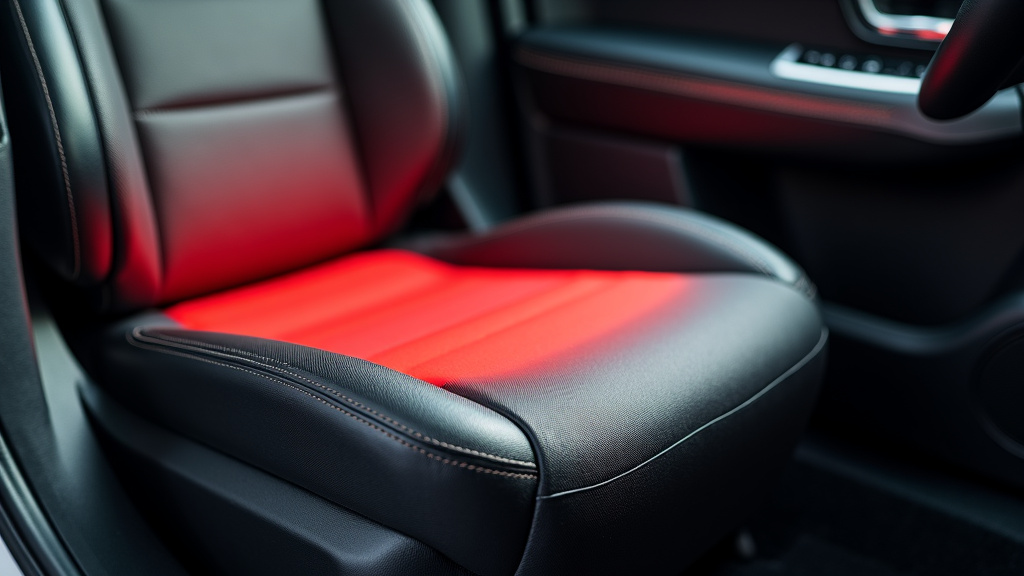
A Look Inside: What a Cushion Might Contain
To give you a clearer picture, let’s imagine dissecting a typical heated seat cushion (don’t actually do this, of course!). You’d likely find layers working together:
| Layer | Purpose | Material Examples |
|---|---|---|
| Top Fabric | Comfort and durability. What you feel directly. | Polyester, Fleece, Plush |
| Padding | Comfort and heat distribution. | Foam, Polyester Fiberfill |
| Heating Element Layer | Contains the embedded heating wires. | Wires woven into a fabric backing |
| Bottom Fabric/Grip | Keeps the cushion in place. | Non-slip material, Polyester |
This layered approach ensures that the heat is delivered comfortably and safely to you. The construction is designed to be robust, even with the delicate heating wires inside.
Tips for Using Your Heated Seat Cushion Safely
To ensure you get the most out of your heated seat cushion and use it safely, keep these points in mind:
- Always read the manufacturer’s instructions before first use.
- Ensure the cord is not damaged and is free of kinks.
- Never use it while it’s wet.
- Avoid placing heavy objects on top of the cushion when it’s on.
- If using in a car, check that it doesn’t interfere with driving controls.
- Unplug it when not in use or when cleaning.
Conclusion
You’ve learned how your heated seat cushion transforms simple electricity into comforting warmth. It’s all thanks to the magic of electrical resistance in its heating elements, powered by a reliable source and controlled by you. This technology is designed to be both effective and safe, with features like automatic shut-offs and thermostats.
Now that you understand the inner workings, you can better appreciate the cozy experience it provides. Enjoy your toasty seat, whether you’re working, driving, or just relaxing! If you’re looking for that extra layer of comfort, consider investing in one today.
Frequently Asked Questions
Can I use a heated seat cushion in my office?
Yes, absolutely! Most heated seat cushions come with a standard wall adapter, making them perfect for use at your desk. Just plug it into a nearby outlet to enjoy consistent warmth throughout your workday.
Are heated seat cushions safe for long-term use?
Generally, yes. Reputable heated seat cushions are designed with safety features like automatic shut-off timers and thermostats. Always follow the manufacturer’s instructions and avoid using damaged cords to ensure safe operation.
How long does it take for a heated seat cushion to warm up?
The warm-up time can vary by model, but most heated seat cushions start producing noticeable warmth within 5 to 10 minutes. The intensity of the heat will increase steadily after that.
Can I wash my heated seat cushion?
Many heated seat cushions are spot-clean only to protect the internal wiring. Always check the product’s care instructions carefully before attempting to clean it. Never submerge the cushion in water.
What if my heated seat cushion stops working?
First, check that it’s properly plugged in and the power source is working. If it’s a car adapter, ensure the car’s accessory port is functional. If the issue persists, consult the user manual or contact the manufacturer’s customer support for troubleshooting or warranty information.
