
Why Is My Leather Office Chair Cracking?
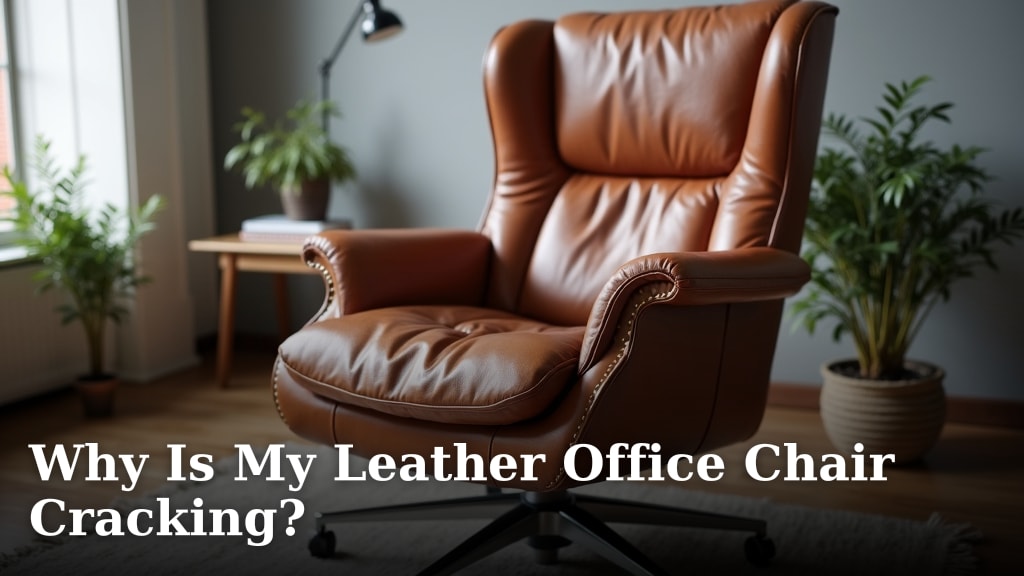
Your leather office chair cracking often means the leather is drying out and losing its natural oils. This can lead to surface splits and tears over time. It’s a common sign of wear, especially if the chair isn’t properly cared for.
This cracking doesn’t just look bad; it can affect the chair’s comfort and longevity. You might notice the cracks widening with continued use. Protecting your investment means understanding why this happens and how to prevent it.
TL;DR:- Leather cracks from dryness and loss of oils.
- This leads to surface splits and potential tears.
- It’s a sign of wear and lack of maintenance.
- Proper care can prevent and slow down cracking.
Let’s walk through why your leather office chair might be cracking and what you can do about it.
Understanding Why Your Leather Office Chair is Developing Cracks
Seeing cracks appear on your favorite leather office chair can be disheartening. It often signals that the leather is losing its natural moisture and flexibility. This happens when the oils within the leather begin to dry out. Over time, this dryness can lead to small splits and fissures forming on the surface.
Think of your skin; it needs moisture to stay supple. Leather is similar. When it dries out, it becomes brittle and prone to cracking. This isn’t usually a sign of a faulty chair. Instead, it points towards environmental factors and usage patterns. We’ll explore the main culprits behind this common issue.
The Impact of Environment on Leather’s Integrity
Your office environment plays a huge role in how your leather chair ages. Certain conditions can accelerate the drying process, making your chair more susceptible to cracking. It’s like leaving a nice leather jacket out in the sun all day – it’s just not good for it!
The Sun’s Harsh Rays: UV Damage
Direct sunlight is a major enemy of leather. The ultraviolet (UV) rays from the sun can break down the natural oils and proteins in leather. This process dries it out very quickly. You might notice fading along with the cracking. If your desk is near a window that gets direct sun, this could be a prime suspect. We found that prolonged exposure to sunlight is a leading cause of premature leather aging (American Leather Artists Association).
Temperature Fluctuations and Dry Air
Extreme temperature changes can also stress the leather. A space that gets very hot and then very cold, or cycles between humid and dry, can cause the leather to expand and contract. This constant shifting makes it lose its elasticity. Dry indoor air, especially during winter months when heating systems are on, is a significant factor. Low humidity pulls moisture out of the leather, leading to stiffness and cracks. Many dermatologists and leather care professionals recommend maintaining a stable humidity level for skin and leather alike.
Heat Sources: A Silent Threat
Be mindful of heat sources near your chair. Radiators, heating vents, or even certain electronics can emit dry heat. This can cook the leather from the outside in, similar to how the sun does. It’s like putting your hand too close to a hot stove; you’ll feel the drying effect quickly. This localized heat can cause cracking in specific areas of the chair.
Daily Wear and Tear: How You Use Your Chair
The way you interact with your chair daily also contributes to its condition. Even with the best intentions, some daily habits can lead to accelerated wear and cracking.
Body Oils and Natural Transfer
This might sound a little strange, but your own body oils can actually affect the leather. While our bodies produce oils that keep our skin moisturized, these oils can build up on the leather’s surface. Over time, this buildup can clog the pores. This prevents the leather from breathing properly. It can also lead to uneven drying. Some suggest that transferring oils from hands or clothing can also play a part. We found that regular, gentle cleaning helps manage this oil transfer.
Friction and Rubbing
Constant friction from clothing, especially rougher fabrics, can wear down the leather’s protective topcoat. This makes the underlying material more exposed to the elements. Think about your favorite jeans; they can wear thin in certain spots from rubbing against surfaces. The same principle applies to your chair. This friction can also lead to tiny surface abrasions that eventually develop into larger cracks. Many furniture care guides highlight friction as a key factor in leather wear.
Lack of Regular Cleaning and Conditioning
Perhaps the most common reason for cracking is simply a lack of consistent care. Leather is a natural material that needs nourishment. Without regular cleaning, dirt and grime can build up. This can abrade the surface. Without conditioning, the leather loses its essential oils and becomes dry. It’s like skipping your moisturizer for months; your skin will start to feel tight and dry. We found that a simple cleaning and conditioning routine makes a world of difference.
Understanding Leather Types and Their Vulnerabilities
Not all leather is created equal, and different types react differently to wear and tear. Knowing your chair’s leather type can help you understand its specific needs.
Aniline and Semi-Aniline Leather
These are considered the most natural types of leather. They have minimal protective coatings. While they offer a beautiful, luxurious feel, they are also more susceptible to stains, fading, and drying out. Aniline leather, in particular, shows all the natural markings of the hide. This means it’s also more prone to showing cracks and damage. Many high-end furniture makers use these leathers for their premium look and feel.
Pigmented or Protected Leather
This type of leather has a polymer surface coating containing pigment. This coating offers more protection against stains, fading, and wear. It’s generally more durable and easier to clean than aniline leather. However, even protected leather can crack if the coating is severely damaged or if the underlying leather dries out completely. The protective layer can wear down over time, especially in high-use areas.
Bonded Leather: A Different Beast
Bonded leather is made from scraps of leather that are ground up and mixed with a bonding agent and then applied to a backing material. It’s often more affordable. However, it’s also less durable. The “leather” component is often a thin layer. This layer can dry out and peel or crack much more easily than genuine leather. We found that bonded leather products often have a shorter lifespan and are more prone to this type of damage.
Preventing Future Cracking: Your Action Plan
The good news is that you can take steps to prevent your leather office chair from cracking or to slow down the process. A little proactive care goes a long way. It’s about giving your chair the TLC it deserves.
Strategic Placement to Avoid Damage
First, consider where your chair is located. Try to position it away from direct sunlight. If that’s not possible, consider using blinds or curtains to block the sun’s rays during peak hours. Keep the chair away from direct heat sources like radiators or vents. This simple step can significantly reduce drying and UV damage.
Maintaining a Stable Climate
Try to maintain a consistent temperature and humidity level in your office. In dry months, a humidifier can add moisture back into the air. This benefits both you and your leather chair. Avoid drastic temperature swings if possible. A stable environment is key to preserving leather’s natural oils and flexibility.
The Power of Regular Cleaning
Make it a habit to wipe down your chair regularly. Use a soft, damp cloth to remove dust and surface grime. This prevents buildup that can lead to abrasion. For a more thorough cleaning, use a cleaner specifically designed for leather. Always test any cleaner on an inconspicuous spot first. Many experts recommend cleaning at least once a month.
Nourishing Your Leather with Conditioner
This is where the magic happens! Leather conditioner replenishes the natural oils that keep leather soft and supple. Apply a good quality leather conditioner every 3-6 months, depending on your climate and chair usage. Apply it sparingly with a soft cloth, working it into the leather. Let it soak in, then buff off any excess. This step is vital for preventing dryness and cracking. We found that regular conditioning can extend the life of your leather furniture considerably.
Dealing with Minor Cracks
If you’ve already spotted small cracks, don’t despair! There are leather repair kits available. These kits often contain fillers and colorants to help mend minor damage. For deeper cracks, you might need a professional. Early intervention is key to preventing small issues from becoming major problems. A quick fix can save your chair from further deterioration.
Here’s a quick checklist to help you keep your leather office chair in top condition:
- Avoid direct sunlight and heat sources.
- Maintain stable room temperature and humidity.
- Wipe down with a soft cloth weekly.
- Deep clean with leather cleaner monthly.
- Condition the leather every 3-6 months.
- Address small cracks immediately with a repair kit.
Conclusion
Your leather office chair cracking is often a signal that it needs more attention. Environmental factors like sun exposure and dry air, combined with daily wear and tear, can lead to dryness and brittleness. Understanding your chair’s leather type helps you tailor its care. By implementing a consistent routine of strategic placement, climate control, regular cleaning, and conditioning, you can keep your chair looking and feeling great for years to come. Don’t wait for cracks to worsen; start treating your chair to the care it deserves today!
Frequently Asked Questions
How often should I condition my leather office chair?
We found that conditioning your leather office chair every 3 to 6 months is generally recommended. This timeframe can vary based on your climate and how much you use the chair. Check the leather’s feel; if it starts to feel dry or stiff, it’s likely time for a conditioning treatment.
Can I use baby wipes to clean my leather chair?
No, it’s best to avoid baby wipes or harsh household cleaners. These can strip the leather of its natural oils or leave behind residue. Stick to a soft, damp cloth for dusting and a cleaner specifically formulated for leather for deeper cleaning.
Is bonded leather more likely to crack than genuine leather?
Yes, research indicates that bonded leather is significantly more prone to cracking and peeling. Its composition, made from leather scraps and binding agents, makes it less durable and more susceptible to drying out and damage compared to genuine leather types.
What if my chair is already in direct sunlight?
If your chair must be near a window, use blinds or curtains to block direct sun during peak hours. You can also consider using UV-protectant film on the window. This will help reduce the sun’s drying and fading effects on the leather.
My chair is cracking, but it’s still comfortable. Do I really need to fix it?
While it might still be comfortable now, small cracks are often the beginning of a larger problem. Left untreated, they can widen, weaken the leather, and eventually lead to tears. Addressing them early with a repair kit or professional help is the best way to preserve your chair’s integrity.
