
What Is the Average Lifespan of a Gas Cylinder?
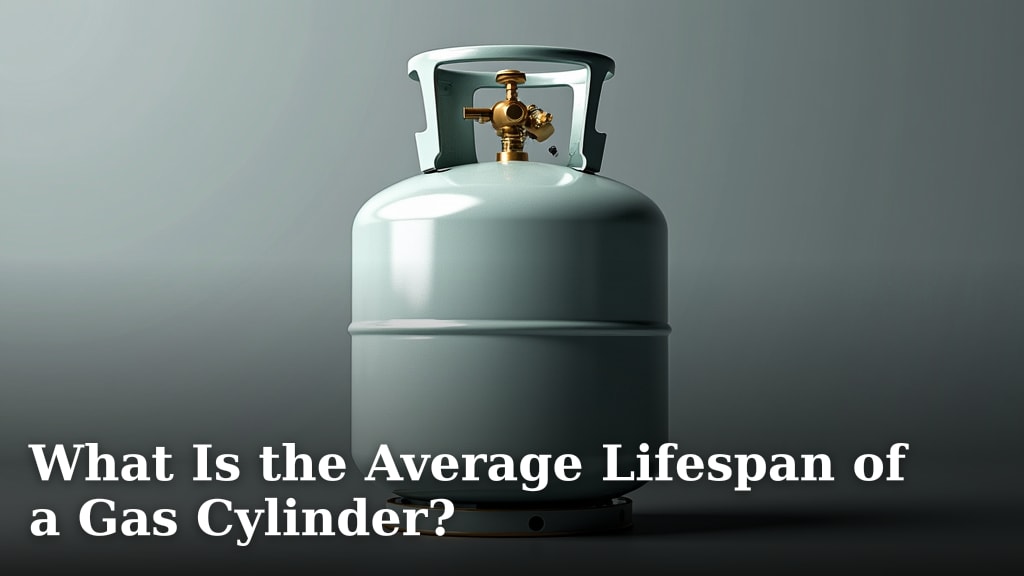
The average lifespan of a gas cylinder isn’t a single fixed number, but rather depends on factors like its material, how it’s used, and maintenance. Most commonly, steel and aluminum cylinders can last for decades, often 15 to 30 years or even longer when properly cared for. Regular inspections are key to ensuring their continued safety and usability.
When we talk about a gas cylinder’s life, we’re looking at its structural integrity and its ability to hold pressure safely. Factors such as corrosion, dents, and improper storage can significantly shorten its useful life. Understanding these influences helps you know when it’s time for a replacement to keep things safe and sound around your home or business.
TL;DR:
- Gas cylinders can last many years, often 15-30+ depending on type.
- Steel and aluminum are common materials with long lifespans.
- Proper maintenance and inspection are vital for longevity.
- Damage like dents or rust can reduce a cylinder’s lifespan.
- Always follow safety guidelines for your specific cylinder.
Ready to get a clearer picture? Let’s dive into what goes into determining how long your gas cylinders will serve you reliably.
You’ve got your propane tank for the grill, or maybe a medical oxygen cylinder, and you’re wondering, “How long will this actually last me?” It’s a fair question! Knowing the lifespan of your gas cylinder helps you plan, budget, and most importantly, stay safe. Think of it like a car’s engine – it won’t run forever, but with good care, it can go a long way.
Understanding Your Gas Cylinder’s Lifespan
The lifespan of a gas cylinder isn’t a single number. It depends on a few key things. We’re talking about its material, how it’s used, and its maintenance history. Most common cylinders, like those made of steel or aluminum, can serve you well for 15 to 30 years, and often even longer. Regular checks are the secret sauce here for safety and continued use.
When we talk about a cylinder’s life, we mean its ability to hold pressure safely. Damage like corrosion, dents, or poor storage can shorten this period. Knowing these factors helps you know when it’s time for a new one, keeping your home or business safe.
Factors Influencing Cylinder Durability
Several elements play a role in how long your gas cylinder will last. It’s not just about how old it is, but how it’s been treated.
Material Matters: Steel vs. Aluminum
The material your cylinder is made from is a big deal. Steel cylinders are very common and quite robust. They can last for a very long time, often 20 years or more, with good care. Aluminum cylinders are lighter and don’t rust like steel. They can also have a lifespan of 15 to 30 years. Some specialized cylinders might use composite materials, and their lifespan can vary based on design and manufacturer specifications.
Usage Patterns: Frequent vs. Occasional Use
How often you use the cylinder makes a difference. A cylinder used daily for a commercial kitchen will see more wear and tear than one used just a few times a year for backyard barbecues. Frequent use means more cycles of filling, emptying, and transport. This can put a bit more stress on the cylinder over time. Occasional use generally leads to a longer usable life, assuming proper storage.
Environmental Conditions and Storage
Where you store your cylinders is also super important. Cylinders exposed to extreme temperatures, direct sunlight, or corrosive environments will degrade faster. Rust is a major enemy for steel cylinders. Storing them upright in a cool, dry place away from chemicals is best. Exposure to moisture or salty air can speed up corrosion significantly.
Maintenance and Inspection Records
Think of maintenance like check-ups for your cylinder. Regular inspections by qualified professionals are key. These checks can spot potential problems like cracks, corrosion, or valve damage before they become serious. Cylinders that undergo regular professional maintenance are likely to last longer and remain safer. Good records help track this history.
How to Tell If Your Gas Cylinder Needs Replacement
You might not always see a “best by” date on a gas cylinder, but there are clear signs it’s time for a change. Safety first, always!
Visible Signs of Wear and Tear
Your own eyes can tell you a lot. Look for deep dents or gouges on the cylinder body. These can weaken the metal. Excessive rust, especially if it’s flaking or has eaten into the metal, is a big red flag for steel cylinders. For any cylinder, check the valve area. Is it damaged, leaking, or stiff to operate? Cracks in the metal are also a serious concern.
Hydrostatic Testing: The Professional Check
Cylinders are pressure-tested periodically. This is called hydrostatic testing. It checks the cylinder’s ability to hold pressure safely. Most cylinders need this test every 5 to 10 years, depending on the type and regulations in your area. A cylinder that fails its hydrostatic test must be taken out of service. This ensures they meet safety standards.
Manufacturer Recommendations and Regulations
Manufacturers often provide guidelines for the expected life of their cylinders. Additionally, various regulatory bodies set rules for cylinder use and re-testing. For example, the U.S. Department of Transportation (DOT) has specific regulations for cylinders used for compressed gases. Always check any labels or markings on your cylinder for information on testing dates and manufacturer advice.
Common Misconceptions About Cylinder Lifespans
One common myth is that a cylinder’s life is based solely on its manufacturing date. While older cylinders might require more scrutiny, it’s the condition and maintenance that truly dictate its remaining useful life. A well-maintained, older cylinder can be safer than a newer one that has been mistreated. Another misconception is that any dent or scratch means immediate retirement. Minor cosmetic blemishes might be fine, but significant structural damage is not.
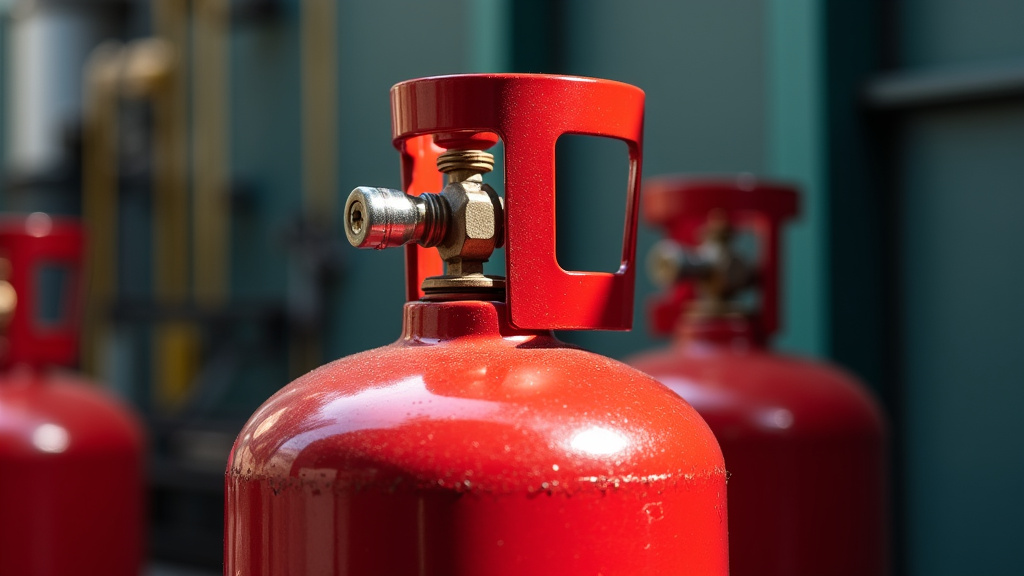
Maximizing the Life of Your Gas Cylinders
You want your cylinders to last as long as possible, right? It’s all about smart handling and care.
Proper Handling and Transportation
Always transport cylinders upright and secured so they can’t tip over. Use a cylinder cart for moving them. Never roll a cylinder on its side. When connecting or disconnecting, do so gently. Avoid dropping or banging cylinders. This type of rough handling can cause internal damage you can’t see.
Safe Storage Practices
Store cylinders in a well-ventilated area, away from heat sources, flammable materials, and direct sunlight. Keep them upright and chained or secured to prevent falls. Never store a cylinder indoors unless it’s specifically designed for indoor use, like some medical oxygen cylinders. Ensure valve caps are in place when not in use.
Regular Visual Inspections by You
Get into the habit of giving your cylinders a quick look-over before each use. Check for obvious damage, leaks (listen for hissing sounds), or rust. If you see anything concerning, don’t use the cylinder. Contact your gas supplier or a qualified professional. These quick checks can catch small issues before they become big problems.
Following Professional Maintenance Schedules
Don’t skip professional inspections and hydrostatic testing. Mark your calendar or set reminders for when your cylinders are due for their next test. This is often handled by the gas supplier when you exchange or refill them, but it’s good to be aware. Your supplier will typically refuse to refill a cylinder that is past its test date or visibly damaged.
Here’s a quick checklist for keeping your cylinders in great shape:- Store cylinders upright in a cool, dry, well-ventilated spot.
- Always secure cylinders during transport and storage.
- Perform regular visual checks for dents, rust, or valve damage.
- Never use a damaged or leaking cylinder.
- Keep up with required hydrostatic testing schedules.
- Handle cylinders gently to avoid internal or external damage.
Conclusion
You’ve learned that your gas cylinders can last for many years, often 15 to 30 or even more, but it’s not a guarantee. Proper care, regular inspections, and mindful handling are your best tools for ensuring their longevity and safety. Pay attention to visible signs of wear, follow manufacturer guidelines, and don’t hesitate to seek professional advice. By actively maintaining your cylinders, you’re not just extending their life; you’re prioritizing the safety of your home or business.
Your next step? Take a moment to check the condition of your most frequently used cylinders and note their last inspection date. If anything looks questionable or you’re unsure, reach out to your gas supplier for guidance.
Frequently Asked Questions
How do I know if my gas cylinder is too old to use?
Look for obvious damage like deep dents, cracks, or excessive rust, especially on steel cylinders. Also, check the valve for any signs of damage or leaks. If a cylinder has failed a hydrostatic test or is past its recommended testing date, it should no longer be used.
Can I paint my gas cylinder to prevent rust?
Generally, yes, you can paint steel cylinders for rust prevention, but only with specific types of paint and following manufacturer guidelines. Ensure the paint doesn’t obscure important markings or labels, and never paint over cracks or structural damage. Aluminum cylinders typically don’t require painting.
What happens if a gas cylinder expires?
A cylinder doesn’t truly “expire” in the way food does. Instead, it reaches a point where it needs to undergo a mandatory hydrostatic re-test to ensure its structural integrity. If a cylinder fails this re-test or is past its marked re-test date, it can no longer be refilled and must be safely taken out of service.
Is it safe to use a cylinder with a small dent?
Small, cosmetic dents that don’t compromise the cylinder’s structural integrity might be acceptable. However, deep dents, gouges, or any damage near the cylinder’s base or shoulder can weaken it. If you’re unsure, it’s always best to have it inspected by a professional before use.
How often should I have my gas cylinders professionally inspected?
The frequency of professional inspections, particularly hydrostatic testing, varies by cylinder type and regulations. Many common propane cylinders require testing every 5 to 10 years. Your gas supplier will often manage this process when they refill or exchange your cylinders, but it’s good to be aware of the general timelines.
