
Can a Chair Cushion Help with Back Pain?
Yes, a chair cushion can absolutely help with back pain, especially if you spend long hours sitting. We found that the right cushion can provide much-needed support and improve your posture, easing discomfort.
Many people struggle with back pain due to poor sitting habits or inadequate office chairs. A good chair cushion works by evenly distributing your weight and reducing pressure on your spine. It’s often an affordable solution that can make a big difference in your daily comfort.
- Proper chair cushions offer crucial spinal support.
- They help improve your sitting posture naturally.
- Cushions can distribute weight to relieve pressure points.
- They are often a cost-effective way to reduce back pain.
Let’s dive into how these simple devices work and what to look for when choosing one that’s right for you.
How Chair Cushions Support Your Back
You might be wondering, “How can a simple cushion make such a difference?” It’s a great question! We found that the magic lies in how these cushions interact with your body and your chair. They don’t just add padding; they create a more ergonomically sound sitting experience.
When you sit, especially for long periods, your spine naturally curves. If your chair doesn’t support these curves, your muscles work harder to keep you upright. This extra effort leads to fatigue and pain. A good chair cushion helps to maintain your spine’s natural alignment, reducing strain on those muscles.
Think of it like this: your spine has an “S” shape. A proper cushion fills the gaps, like your lower back, offering continuous support. It helps your body relax into a better posture rather than fighting against an unsupportive seat.
Understanding the Mechanics of Back Support
Let’s get a little more specific about how this works. Your body weight pressing down on an unsupportive surface can flatten the natural curve in your lower back. This often leads to discomfort and even chronic pain over time.
A well-designed cushion works by distributing your weight more evenly. Instead of concentrating pressure on specific points, it spreads the load. This reduces the stress on your tailbone, hips, and lower spine, where much of your sitting pain originates.
Many cushions also gently tilt your pelvis forward, which helps to restore the natural lumbar curve. This small adjustment can make a big difference in how your back feels by promoting a more balanced posture (National Institutes of Health).
The Role of Material in Cushion Effectiveness
The material of your cushion plays a significant role in its ability to support your back. Not all foams are created equal!
- Memory foam is popular because it molds to your body’s shape. This personalized contouring offers excellent pressure relief. It “remembers” your shape, providing consistent support.
- Gel cushions often provide a cooler sitting experience and can further distribute pressure. The gel material adapts to your contours, preventing hot spots and discomfort.
- High-density foam offers firm, durable support. It doesn’t compress as easily as softer foams, providing a stable base for your posture. We found that this type is great for those needing robust, lasting support.
Who Can Benefit from a Chair Cushion?
Is a chair cushion right for you? Chances are, if you spend a lot of time sitting, the answer is probably yes! Many different people find relief and improved comfort from using a good quality cushion.
You might benefit if you have a desk job and sit for eight hours or more daily. People with longer commutes, who spend hours in their car, also often see great results. Even if you’re just enjoying hobbies like crafting or gaming, a cushion can make those long sessions much more comfortable.
We found that people recovering from injuries, experiencing chronic back pain, or even pregnant individuals often seek out cushions for extra support. It’s a simple tool that offers relief across a wide range of needs.
Common Conditions Relieved by Cushions
A chair cushion can be particularly helpful for several common back conditions. We often hear from users that their pain is significantly reduced.
- Lower back pain (lumbar pain): This is perhaps the most common issue. Cushions support the lumbar curve, easing muscle strain.
- Sciatica: By relieving pressure on the sciatic nerve, cushions can reduce the radiating pain associated with this condition.
- Tailbone pain (coccydynia): Many cushions have cut-outs or contours specifically designed to alleviate pressure on the tailbone.
- Poor posture: Cushions encourage a more upright, natural alignment, helping to correct slouching habits.
Remember, while a cushion can offer great relief, it’s not a medical cure. Always talk to your doctor if you have severe or persistent pain.
Choosing the Right Chair Cushion for You
With so many options out there, how do you pick the best one? It can feel a bit overwhelming! But don’t worry, we’re here to guide you. The “right” cushion depends on your specific needs, your body, and even the type of chair you’ll be using it on.
Think about where you’ll use it most. Is it for your office chair, your car seat, or perhaps even a wheelchair? Each setting might call for a slightly different design or material. We found that considering your primary use case is the first step.
Next, consider your body. Are you taller or shorter? Do you carry weight in a specific area? These factors influence the size and firmness you might need. A cushion that’s too small won’t offer enough support, and one that’s too soft might bottom out.
Key Features to Look For
When you’re shopping around, keep these features in mind. They are what make a cushion truly effective for back pain relief.
- Ergonomic Design: Look for cushions that are contoured to fit your body. Many will have a U-shaped cut-out for your tailbone or a wedge shape to improve pelvic tilt.
- Material Quality: As we discussed, memory foam, gel, and high-density foam are top contenders. Ensure the material is supportive and won’t flatten too quickly.
- Firmness: You want a cushion that’s firm enough to provide support but soft enough to be comfortable. Too soft, and you’ll sink; too hard, and it might create new pressure points.
- Non-slip Bottom: This is a small but important detail! A non-slip base keeps the cushion in place, so you’re not constantly adjusting it.
- Breathable Cover: A cover made from breathable fabric can prevent you from getting too hot, especially if you sit for long hours. Many are removable and washable, which is a bonus.
Comparing Cushion Types
To help you decide, let’s look at some common cushion types side-by-side. Each has its strengths!
| Cushion Type | Best For | Key Benefits | Considerations |
|---|---|---|---|
| Wedge Cushion | Promoting correct pelvic tilt, relieving lower back pain. | Tilts hips forward, improving natural spinal curve. | Can feel slightly “forward-leaning” at first. |
| Donut Cushion | Tailbone pain, hemorrhoids, post-surgery recovery. | Hole in the center relieves pressure on sensitive areas. | Less overall postural support than other types. |
| U-Shaped/Coccyx Cushion | Tailbone pain, sciatica, general lower back support. | Cut-out at the back eliminates tailbone pressure. | Excellent all-rounder for many back issues. |
| Lumbar Support Cushion | Enhancing existing chair’s back support, posture correction. | Specifically targets the lower back curve. | Usually used in conjunction with a seat cushion. |
As you can see, each type serves a slightly different purpose. You might even find a combination that works best for your needs!
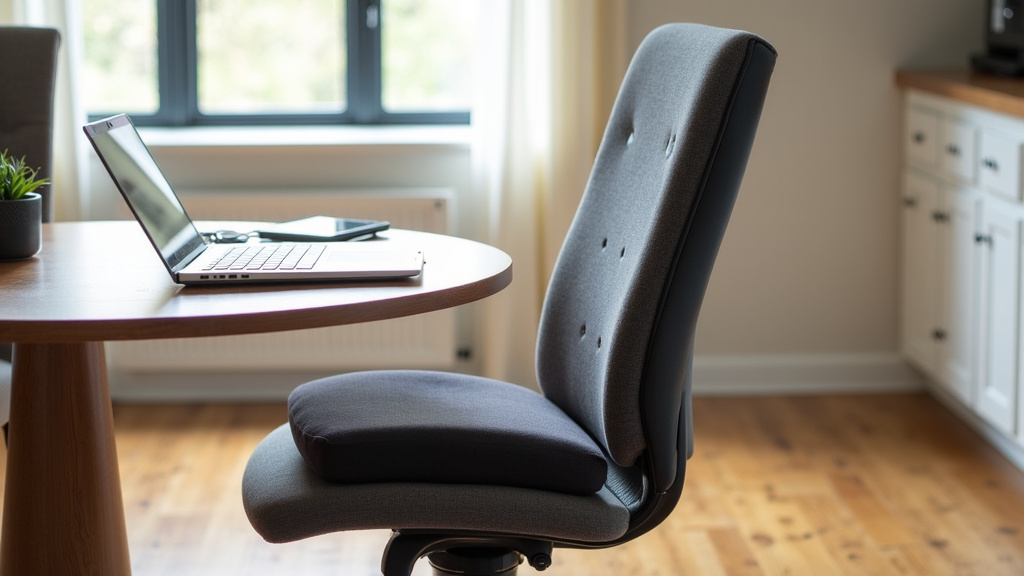
Tips for Maximizing Your Cushion’s Benefits
Getting a great cushion is a fantastic start, but you can do even more to ensure you get the most out of it. It’s about creating a holistic approach to your sitting health. We found that combining a cushion with other good habits really amplifies the positive effects.
Think of your cushion as one part of a bigger puzzle. It’s a key piece, but it works best when everything else is aligned too. A good cushion can’t completely counteract terrible sitting habits, but it can certainly help you build better ones.
Your Cushion Checklist for Better Back Health
Here’s a quick checklist to help you maximize the benefits of your new chair cushion and support your back:
- Use it consistently: The more you use your cushion, the more your body will adapt to better posture. Don’t just use it when your back hurts.
- Adjust your chair: Make sure your chair height is appropriate. Your feet should be flat on the floor, and your knees should be at a 90-degree angle.
- Take regular breaks: Even with the best cushion, sitting for hours without moving is not ideal. Stand up, stretch, and walk around every 30-60 minutes.
- Practice good posture: Engage your core muscles gently. Imagine a string pulling the crown of your head upwards. Your cushion will help, but conscious effort matters too.
- Don’t slouch: Try to avoid leaning too far forward or slumping back. Your cushion is designed to help you sit upright, so let it do its job.
By following these simple steps, you’ll not only get more out of your cushion but also develop healthier sitting habits overall. Your back will thank you for it!
Conclusion
You’ve learned that a chair cushion can be a powerful tool against back pain. We’ve shown you how they support your spine and improve posture. By distributing weight and reducing pressure, these cushions offer real relief. They are an accessible and cost-effective solution for many.
Choosing the right type, from memory foam to coccyx cushions, makes all the difference. Remember to combine your cushion with good sitting habits and regular breaks. Your back health is important. Take this information and make an informed choice to sit more comfortably starting today.
Frequently Asked Questions
Can I use a chair cushion in any type of chair?
Yes, you can use most chair cushions in various chairs. They work well in office chairs, car seats, and even recliners. The key is to ensure the cushion fits properly and provides the support your specific chair lacks.
How long does it take for a chair cushion to relieve back pain?
Many people feel relief almost immediately. However, consistent use is important for long-term benefits. Your body needs time to adjust to better posture. We recommend using it regularly to see the best results.
Are chair cushions only for people with existing back pain?
Not at all! While they help with existing pain, cushions are also excellent for prevention. They help maintain good posture and reduce pressure, which can prevent pain from developing. Think of it as an investment in your future back health.
How do I clean my chair cushion?
Most chair cushions come with a removable, washable cover. Always check the care label for specific instructions. For cushions without removable covers, spot cleaning with a mild detergent and damp cloth is usually recommended.
When should I replace my chair cushion?
You should replace your chair cushion when it starts to lose its shape or firmness. If it no longer provides adequate support, it’s time for a new one. High-quality materials will last longer, but eventually, all foams break down.
