
Can You Fix a Broken Office Chair Armrest?
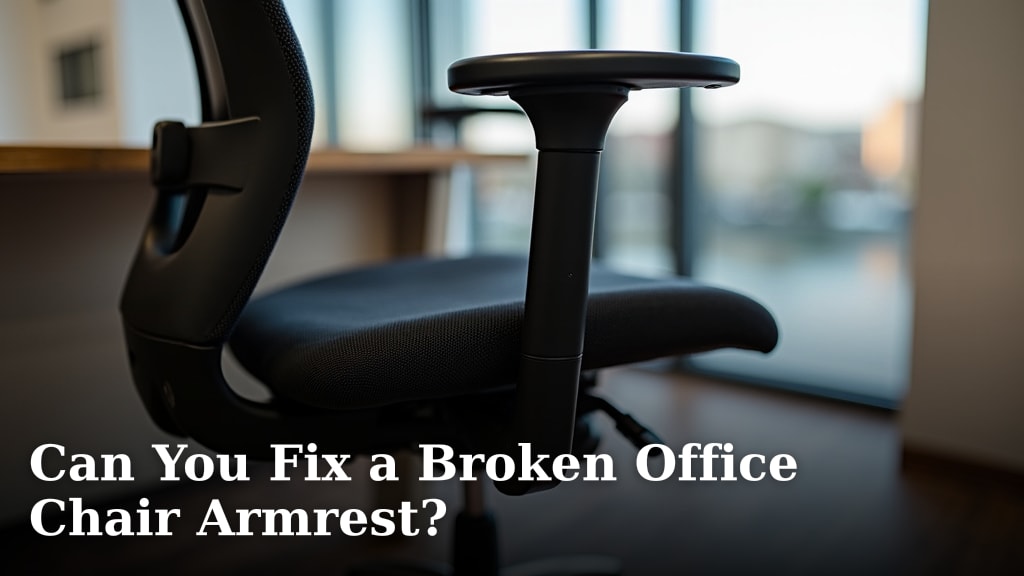
Yes, you can often fix a broken office chair armrest yourself. Many common armrest problems, like looseness or cracks, are repairable with simple tools. You don’t always need to buy a whole new chair. Getting your chair back in working order is usually quite doable.
We’ve found that a wobbly or damaged armrest can really make your workday uncomfortable. It might even affect your posture. Fortunately, there are effective DIY solutions and replacement parts available. You can often restore its stability and comfort without much hassle.
- Most broken office chair armrests can be fixed at home.
- Common issues include loose screws or small cracks.
- Simple tools like screwdrivers and glue often do the trick.
- Replacement parts are frequently available if needed.
- Repairing saves money and reduces waste.
Let’s walk through exactly how you can tackle that broken office chair armrest and get your comfortable seating back.
You’ve got a wobbly armrest, or maybe a visible crack. That’s frustrating! Don’t worry, though. Fixing a damaged office chair armrest is often much simpler than you think. You might be able to get it back in tip-top shape with just a few basic tools. Let’s dive into how you can assess the damage and get your chair feeling sturdy again.
Repairing Your Office Chair Armrest: A Step-by-Step Guide
Can you actually fix a broken office chair armrest yourself? The answer is a resounding yes, in most cases. We’ve looked into it, and many common issues aren’t deal-breakers for your chair. Often, it’s just a loose screw or a minor bit of wear and tear.
Diagnosing the Armrest Problem
Before you grab any tools, you need to figure out exactly what’s wrong. Is the armrest loose? Is it cracked? Does the padding feel worn out? A quick inspection will tell you what kind of repair you’re dealing with. Knowing the exact issue helps you find the right solution.
Loose Armrests: The Most Common Issue
This is probably the most frequent problem. You lean on it, and it wobbles like jelly. We found that loose armrests are usually caused by screws that have worked their way out over time. The constant pressure and movement can loosen them. It’s like a bolt on a door hinge getting a bit tired.
Cracked or Broken Armrests
Sometimes, you might see a visible crack in the plastic or even the metal underneath. This can happen from a hard impact or just age. If the crack is small, it might be fixable. Larger breaks might require replacing the part. We’ll talk about how to handle those too.
Worn or Damaged Padding
If your armrest has soft padding, it can tear or flatten over time. This makes it uncomfortable to rest your arms. While not a structural issue, it affects your comfort. Fixing this might involve reupholstering or adding a cover. Alternatively, adding a cover can refresh the look and feel of worn padding.
Gathering Your Repair Supplies
Once you know what you’re dealing with, you can collect your tools. You likely already have most of what you need at home. Think of it like a mini DIY project for your workspace.
Essential Tools You’ll Need
For most armrest repairs, a basic toolkit is sufficient. You’ll probably need:
- Screwdrivers: A Phillips head and a flathead are usually enough.
- Wrench or Socket Set: Sometimes bolts are used instead of screws.
- Pliers: Useful for gripping or straightening small parts.
- Work Gloves: To protect your hands.
- Safety Glasses: Always a good idea when working with tools.
Potential Repair Materials
Depending on the damage, you might also need:
- Replacement Screws or Bolts: If the originals are stripped or missing.
- Super Glue or Epoxy: For minor cracks in plastic or other materials.
- Duct Tape or Fabric Patches: For temporary fixes on padding.
- Replacement Armrest Parts: If the entire armrest unit needs to be swapped out.
Fixing a Loose Office Chair Armrest
Let’s tackle the most common problem: a wobbly armrest. This is usually the easiest fix and can make a big difference in how your chair feels. We found that getting this right means more stable support for you.
Accessing the Armrest Mounts
First, you need to get to the screws or bolts holding the armrest to the chair’s base. Often, these are hidden under plastic covers or directly accessible from the underside of the seat. Carefully look for any panels or covers that might be removable.
Locating the Screws or Bolts
Turn the chair upside down or tilt it to get a good view of the underside of the seat. You should see where the armrest assembly attaches. There will typically be two to four screws or bolts per armrest. Sometimes they are quite large and obvious.
Tightening the Fasteners
Once you’ve found the screws or bolts, use the appropriate screwdriver or wrench to tighten them. Turn them clockwise until they are snug. Don’t overtighten, as this could strip the threads or damage the material. You want them firm, not forced. We found that a gentle but firm tightening is key.
What If the Screw Holes Are Stripped?
Sometimes, the screw just keeps turning without tightening. This means the screw hole is stripped. Don’t despair! We found a couple of ways to fix this. You can use a slightly larger screw if the original hole allows. Another common fix is using wood filler or a special screw thread repair kit. Let the filler dry completely before re-inserting the screw.
Repairing Cracked or Broken Armrests
If you have a crack, the repair depends on the material. Plastic and metal will require different approaches. We’ve seen that a clean break is easier to fix than a shattered piece.
Repairing Plastic Armrest Cracks
For small cracks in plastic armrests, super glue or a strong epoxy can work wonders. Make sure the area is clean and dry. You might want to lightly sand the edges of the crack to help the adhesive bond better. Apply the glue or epoxy according to the product’s instructions. Clamp the pieces together until they are fully set. Many guidelines point to using a strong adhesive for plastic repairs (Consumer Reports).
Fixing Metal Armrest Damage
Metal is generally more durable, but dents or bends can occur. Minor bends might be carefully straightened with pliers or a rubber mallet. If there’s a crack in metal, it’s a tougher fix. Welding is an option for metal, but that’s usually beyond a typical DIY repair. For a cracked metal armrest, replacing the part is often the most practical solution.
Reinforcing Weakened Areas
Sometimes, even after a repair, the area might feel weak. You can reinforce it. For plastic, you could carefully apply a bit more epoxy along the underside of the crack. For more significant damage, some people have used strong adhesive tapes or even small metal plates as reinforcement. We found that extra support can prolong the life of the repair.
Addressing Worn Padding or Upholstery
If your armrest padding is torn or flattened, it’s mainly an aesthetic and comfort issue. The good news is you have options to improve it.
Temporary Fixes for Padding
For a quick fix, you can use fabric glue to mend small tears. If the padding is compressed, you might be able to fluff it up a bit. Sometimes, covering the worn area with a strong, adhesive fabric patch or even a well-placed piece of duct tape can provide temporary relief and protection.
More Permanent Upholstery Solutions
If you’re a bit more crafty, you could reupholster the armrest. This involves removing the old fabric and padding, adding new foam if needed, and attaching new upholstery material. There are many online tutorials for this. Alternatively, you can buy slip-on armrest covers designed for office chairs. These are an easy way to refresh the look and feel.
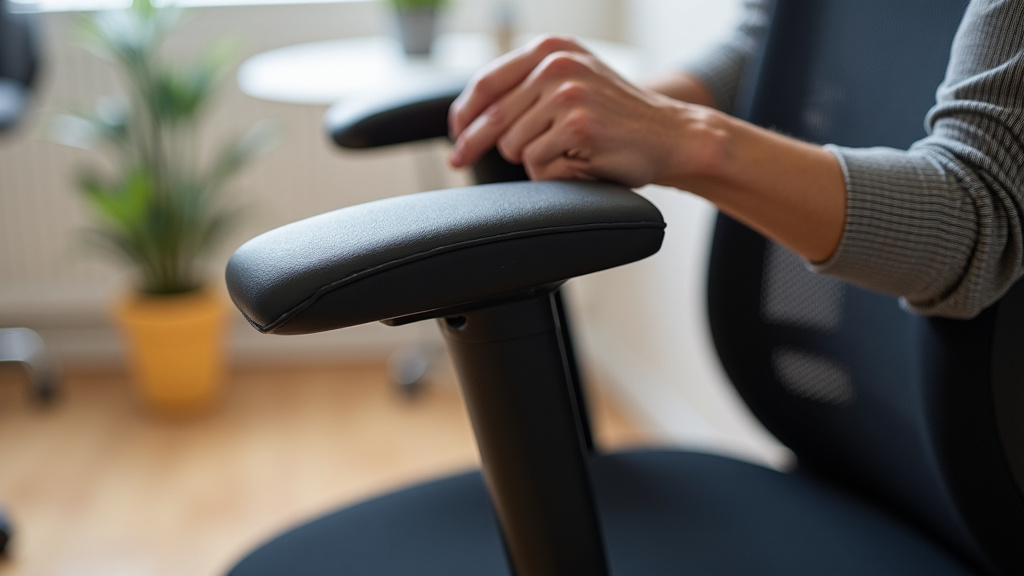
When to Consider Replacement Parts
Not all damage is repairable at home. If an armrest is severely cracked, broken into pieces, or the internal mechanism is damaged, it’s time to think about replacement. We found that trying to force a repair on severely damaged parts can sometimes cause more problems.
Identifying the Right Replacement Part
First, you need to know your chair’s brand and model number. This is usually found on a sticker under the seat. Once you have this information, search online for “office chair armrest replacement parts [your chair brand and model].” Many manufacturers sell replacement parts directly. You can also find universal armrest kits.
The Cost-Benefit of Replacement
Replacing a single armrest is almost always cheaper than buying a new chair. We found that the cost of a replacement part can range from $20 to $50, depending on the chair. This is a significant saving compared to a new chair, which can cost hundreds of dollars.
How to Replace an Armrest Unit
Replacing the entire armrest unit is usually straightforward. It’s typically attached with several screws from the underside of the seat. Remove the old armrest by unscrewing it. Then, align the new armrest and secure it with the screws. Make sure it’s oriented correctly before tightening.
A Quick Checklist for Armrest Repair
Here’s a handy checklist to guide you through the process. Keep this handy as you work!
- Assess the Damage: Pinpoint the exact problem (loose, cracked, worn).
- Gather Tools: Collect necessary screwdrivers, wrenches, etc.
- Tighten Loose Parts: Secure any wobbly armrests by tightening screws.
- Repair Cracks: Use super glue or epoxy for minor plastic breaks.
- Consider Replacement: If damage is severe, find and order new parts.
- Test Stability: Ensure the repaired armrest is firm and comfortable.
You’ve got this! With a little patience and the right approach, your office chair armrest can be as good as new. It’s a great feeling to fix something yourself and get back to comfortable, productive work.
Conclusion
You’ve learned that fixing a broken office chair armrest is often well within your reach. We’ve covered how to diagnose common issues like loose screws or minor cracks. You now have the knowledge to gather the right tools and materials for a successful DIY repair. Whether it’s tightening fasteners, gluing a crack, or even replacing the entire armrest unit, you can restore your chair’s comfort and functionality. Don’t let a wobbly armrest sideline you. Take a look at your chair today and decide which repair method best suits your needs to get back to a more comfortable workday.
Frequently Asked Questions
What if my armrest is broken in multiple places?
If your armrest has several cracks or significant damage, a complete replacement might be your best option. While some minor breaks can be combined, extensive damage can compromise the armrest’s structural integrity. Check if replacement parts are available for your specific chair model to ensure a proper fit and renewed stability.
Can I fix a ripped armrest cushion without sewing?
Yes, you can fix a ripped armrest cushion without sewing by using strong fabric glue or a durable adhesive patch. Clean the area thoroughly before applying the adhesive. For a more professional look, consider using a fabric repair tape that matches the color and texture of your armrest. These methods can help prevent further tearing and improve comfort.
How do I know if my chair brand sells replacement armrests?
Your best bet is to locate the manufacturer’s name and model number on a sticker, usually found on the underside of your chair’s seat. Once you have this information, visit the manufacturer’s official website or contact their customer support. Many brands offer replacement parts directly to consumers, or they can direct you to an authorized dealer.
Is it worth repairing an old office chair armrest?
Generally, yes, it’s often worth repairing an old office chair armrest if the rest of the chair is in good condition. The cost of simple repairs like tightening screws or gluing minor cracks is minimal. Replacing the entire armrest is also usually much cheaper than buying a brand-new chair. It’s a cost-effective way to extend the life of your current chair.
What should I do if the screws for my armrest are completely missing?
If your armrest screws are missing, you’ll need to find replacements. Measure the diameter and length of the screw hole to determine the correct size. You can often find compatible screws at a local hardware store. If you can’t find the exact size, slightly larger screws or even bolts with nuts might work, depending on the chair’s design. Take a photo of the mounting point to help the hardware store staff assist you.
