
How Often Should You Take Breaks from Sitting?
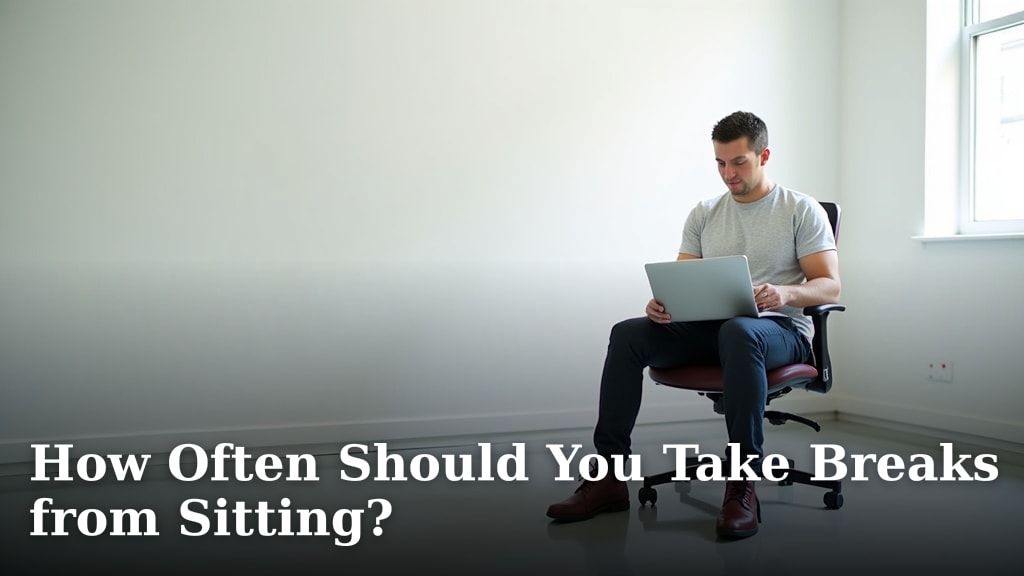
You should take breaks from sitting at least once every hour, but ideally, every 30 minutes. This helps combat the negative health effects of prolonged sitting. Even short movement breaks can make a big difference for your well-being.
Studies show that sitting for too long is linked to various health problems. These include increased risk of heart disease and diabetes. Getting up and moving regularly is a simple way to reduce these risks and improve your overall health. It’s about breaking up those long periods of inactivity.
- Aim for a break every 30-60 minutes.
- Stand up, stretch, or walk around.
- Even light movement helps your body.
- Listen to your body; move when you feel stiff.
- Breaks prevent long-term health issues.
Let’s walk through exactly how often you should be stepping away from your desk and what kind of movement works best.
When to Step Away from Your Chair
So, how often do you really need to interrupt your sitting time? The general consensus from many health organizations is to take a short break at least once every hour. Think of it as a mini-reboot for your body and brain. However, research suggests that breaking up sitting even more frequently, ideally every 30 minutes, offers even greater benefits. This means even if you’re deep in work, making a conscious effort to stand up and move around more often is a smart move.
Why this recommendation? Your body isn’t designed for long stretches of stillness. It’s built for movement! When you sit for extended periods, your body’s natural processes start to slow down. Blood circulation can become sluggish, and your muscles can stiffen up. Even short bursts of activity can counteract these effects and keep your body running smoothly.
The 30-Minute Rule: An Ideal Target
While once an hour is a good starting point, aiming for a movement break every 30 minutes is even better. This frequent interruption helps prevent the negative physiological responses that occur during prolonged sitting. Imagine your body like a car engine; it needs to be revved up occasionally to prevent seizing. Those 30-minute intervals are like short pit stops to keep everything in optimal working order.
Many experts agree that this more frequent approach can lead to improved energy levels and reduced feelings of fatigue throughout the day. When you constantly pause to move, you’re signaling to your body that it’s time to get the blood flowing and the muscles working. This consistent engagement can make a surprising difference in how you feel, both physically and mentally.
The 60-Minute Rule: A Minimum Standard
If a 30-minute break feels too disruptive to your workflow right now, don’t despair! The research still supports taking breaks at least once every 60 minutes. This is considered the minimum frequency to avoid the most detrimental effects of sedentary behavior. It’s a more manageable goal for many people, especially when first trying to build this habit.
Think of it this way: even a single hour of continuous sitting starts to put a strain on your body. By the 60-minute mark, your metabolism might already be slowing down. Standing up, stretching your legs, or taking a quick walk can help reverse some of these effects. It’s about making progress, and a break every hour is definitely progress!
What Constitutes a “Break”?
When we talk about taking breaks, what exactly does that entail? It doesn’t mean you need to go for a full 30-minute run every hour. The goal is simply to disrupt prolonged inactivity. Anything that gets you out of your seated position and moving your body counts.
Simple Movements That Make a Difference
You don’t need a gym or fancy equipment to take an effective break. Small actions can have a big impact. Here are some ideas:
- Stand up and stretch: Reach for the sky, touch your toes (or get close!), and twist your torso.
- Walk around: Even a brief stroll to the kitchen for water or around your office space is beneficial.
- Do some light calisthenics: A few squats, lunges, or jumping jacks can really get your heart rate up.
- Climb a flight of stairs: If you have them available, stairs are an excellent way to get your legs moving.
- Change your posture: If you can, switch from sitting to standing at a standing desk for a few minutes.
The key is to engage your muscles and get your blood circulating. These micro-movements, repeated throughout the day, can accumulate and significantly contribute to your overall health. Don’t underestimate the power of these small, consistent actions.
Standing vs. Moving: Which is Better?
This is a common question, and the answer is both are good, but moving is often better than just standing still. While standing burns more calories than sitting and can help reduce back pain, it can still lead to fatigue and discomfort if done for too long without variation. Health experts often recommend alternating between sitting, standing, and moving throughout the day.
Think of it like this: standing for an hour is better than sitting for an hour, but walking or doing light exercises for 10 minutes within that hour is even more beneficial. The goal is variety. Our bodies thrive on change and movement. So, if you have a standing desk, remember to still incorporate walking breaks and stretching.
How Your Body Reacts to Sitting Too Long
Understanding the negative effects of prolonged sitting can be a powerful motivator to take more breaks. It’s not just about feeling a little stiff; the consequences can be more serious over time. Many health organizations highlight the risks associated with a sedentary lifestyle.
The Metabolic Slowdown
When you sit for extended periods, your body’s metabolism slows down considerably. This means your body becomes less efficient at burning calories and managing blood sugar. Research has linked prolonged sitting to an increased risk of developing conditions like type 2 diabetes and obesity (National Institutes of Health).
Your muscles, particularly in your legs, play a vital role in regulating blood sugar. When they are inactive for hours, this process is disrupted. This is why short bursts of activity can help regulate your blood sugar levels, even if they are brief.
Circulatory Concerns
Sitting for too long can also negatively impact your blood circulation. Blood flow in your legs can become restricted, which can lead to swelling and increase your risk of developing blood clots. While serious blood clots are rare, chronic poor circulation can contribute to other long-term health issues.
Getting up and moving helps to pump blood more effectively throughout your body. This not only prevents the sluggishness associated with sitting but also ensures that oxygen and nutrients are delivered efficiently to your organs and tissues. It’s a simple yet effective way to keep your circulatory system happy.

Making Break-Taking a Habit
We know it can be challenging to remember to take breaks, especially when you’re engrossed in tasks. The good news is that creating a habit is entirely possible with a little planning and consistency.
Using Reminders and Alarms
Technology can be your best friend here! Many apps and calendar programs allow you to set recurring alarms or reminders. You can set a ping to go off every 30 or 60 minutes, nudging you to get up. Some smartwatches even have built-in “move alerts” that prompt you to stand and walk.
Don’t just dismiss the alarm. Treat it as a non-negotiable appointment with your health. Even a minute or two of movement is better than none. Over time, these reminders will help train your brain to recognize when it’s time to move, making it feel more natural.
Integrating Movement into Your Tasks
Think about ways you can naturally incorporate movement into your workday. For example, if you need to have a phone conversation, try pacing around your office or home while you talk. If you’re reading a document, consider standing up or doing some stretches as you scan the text. Could you walk to a colleague’s desk to ask a question instead of sending an email?
These small integrations mean you’re not stopping your work to move; you’re moving while you work. This makes the concept of taking breaks feel less like an interruption and more like a seamless part of your routine. It’s a clever way to boost your activity without losing focus.
| Break Frequency | Ideal Scenario | Minimum Standard | Key Benefit |
|---|---|---|---|
| Every 30 Minutes | Excellent! Maximizes health benefits. | N/A | Reduces metabolic slowdown, boosts energy. |
| Every 60 Minutes | N/A | Good! Prevents major health risks. | Improves circulation, reduces stiffness. |
| Movement Type | Varying: walking, stretching, stairs. | Standing, light stretching. | Keeps body engaged, burns more calories. |
Listen to Your Body’s Cues
While guidelines are helpful, your body often tells you when it needs a break. Are you feeling a twinge in your back? Is your neck stiff? Do you feel restless or find yourself fidgeting? These are all signals that it’s time to stand up and move. Don’t push through discomfort; address it with movement.
Learning to tune into these signals is a skill that improves over time. The more you move, the more aware you become of your body’s needs. Prioritizing these small moments of self-care can lead to long-term well-being and prevent chronic pain.
Your Action Plan for More Movement
Ready to put this into practice? Here’s a simple checklist to help you get started:
- Set a timer for every 30-60 minutes.
- Stand up immediately when the timer goes off.
- Do at least one minute of light movement (stretch, walk).
- Incorporate movement into a task if possible.
- Pay attention to your body’s signals for stiffness.
- Celebrate small wins – every break counts!
Conclusion
You’ve learned that breaking up long periods of sitting is essential for your health. Aiming for a movement break every 30 to 60 minutes can significantly reduce health risks and boost your energy. Remember, even simple actions like standing, stretching, or walking can make a big difference.
Don’t feel overwhelmed; start small and build the habit. Integrate movement into your day and listen to your body’s signals. By prioritizing these short pauses, you’re investing in your long-term well-being. Your next step? Set a reminder right now to stand up in 30 minutes!
Frequently Asked Questions
How long should I stand if I have a standing desk?
While standing is better than sitting, you shouldn’t stand for hours straight either. Experts suggest alternating between sitting, standing, and moving throughout the day. Aim for a mix to avoid fatigue and discomfort.
Can short walking breaks actually make a difference for my health?
Yes, absolutely! Even brief periods of movement help improve blood circulation and prevent the negative metabolic effects of prolonged sitting. These frequent micro-breaks add up and contribute positively to your overall health.
What’s the best type of movement for a short break?
The best movement is one that gets you out of your chair! Simple stretches, a quick walk to get water, or climbing a flight of stairs are all effective. The goal is to disrupt inactivity and engage your muscles.
I get really absorbed in my work. How can I remember to take breaks?
Using technology can be a great help. Set alarms on your phone, computer, or smartwatch to remind you every 30 or 60 minutes. Some apps are designed specifically to prompt you to move.
Is it okay if I only manage one break an hour?
Yes, taking a break at least once every hour is a good minimum standard. While breaks every 30 minutes are ideal, an hourly break is much better than no breaks at all. It’s a great starting point to build from.
