
How to Buy the Right Office Chair for Wfh Setup?
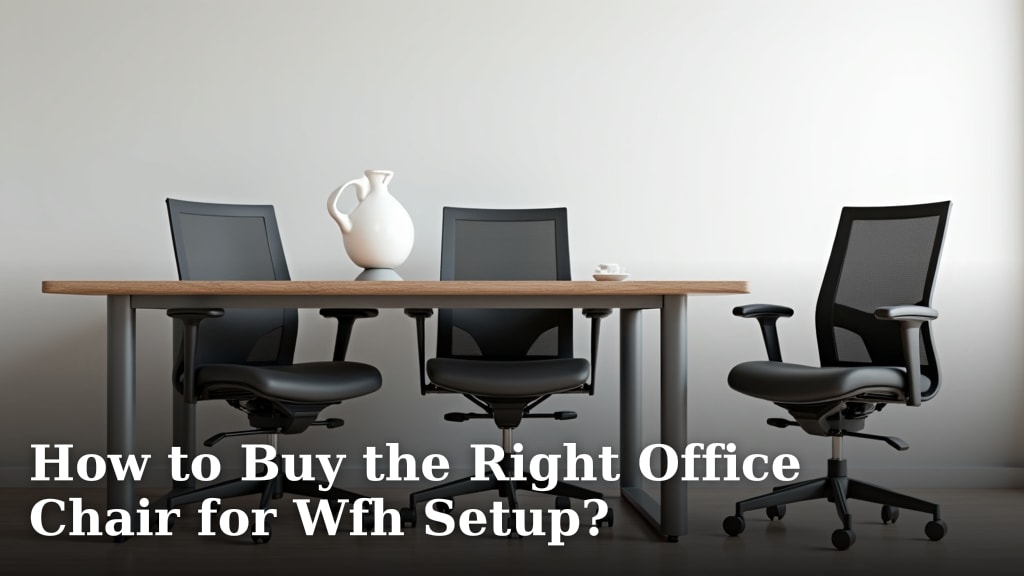
Buying the right office chair for your work-from-home setup means finding one that offers excellent support and adjustability. You need a chair that can keep you comfortable and pain-free throughout your workday. Look for chairs with lumbar support and adjustable features like armrests and height to fit your body perfectly.
Your home office chair is more than just a place to sit; it’s a tool for productivity and well-being. Investing in a quality chair can prevent aches and pains, helping you focus on your tasks. We found that chairs designed for ergonomic support are often the best choices for long hours at your desk. If you spend long hours at your desk, consider our guide to the best office chairs for long hours.
- Prioritize ergonomic support.
- Look for adjustable features (height, armrests, lumbar).
- Consider your body type and needs.
- Don’t forget about material and breathability.
- Think about your budget and warranty.
Let’s walk through exactly how to pick the perfect chair for your home office so you can say goodbye to back pain!
“`htmlFinding Your Ideal WFH Chair: A Practical Guide
Selecting the right office chair for your home setup is a big decision. It directly impacts your comfort and productivity. You’re not just buying furniture; you’re investing in your well-being. We’ve found that chairs designed for ergonomic support are often the best choices for long hours at your desk.
Understanding Ergonomics for Your Home Office
Ergonomics is all about designing a workspace that fits you. It aims to reduce strain and promote good posture. For your home office chair, this means looking for features that support your body naturally.
What is Good Posture at Your Desk?
Good posture involves sitting upright with your feet flat on the floor. Your knees should be at a 90-degree angle. Your arms should rest comfortably at your sides, with your elbows also at about 90 degrees. Your computer screen should be at eye level. This alignment prevents unnecessary stress on your back, neck, and shoulders.
Why is Lumbar Support So Important?
Your spine has a natural inward curve in the lower back, called the lumbar region. Many chairs lack adequate support for this curve, forcing you to slouch. This can lead to back pain and discomfort over time. Many experts say that good lumbar support helps maintain the spine’s natural alignment (Cleveland Clinic).
Types of Lumbar Support
Lumbar support can come in a few forms. Some chairs have a built-in curve in the backrest. Others offer adjustable lumbar support, where you can move it up and down or in and out. You can also buy add-on lumbar cushions if your current chair doesn’t have enough support. We found that adjustable support offers the most personalized comfort.
Key Features to Look For in Your Home Office Chair
Beyond basic ergonomics, several adjustable features can make a world of difference. These allow you to tailor the chair to your unique body and preferences.
Adjustable Seat Height
This is a fundamental feature. You need to be able to adjust your chair’s height so your feet rest flat on the floor. As mentioned, this helps achieve that crucial 90-degree angle at your knees. Many guidelines point to this as a good first step for proper seating (Mayo Clinic).
Adjustable Armrests
Your armrests should allow your shoulders to relax. They should be set at a height where your elbows can rest comfortably at a 90-degree angle. If armrests are too high, they can cause shoulder tension. If they’re too low, you might hunch forward. Some armrests can move up, down, forward, back, or even pivot.
Adjustable Backrest (Recline and Tilt)
A chair that reclines or tilts can offer variation in your sitting position. This is good for taking pressure off your spine. Look for a chair with a tilt lock feature. This allows you to secure the chair in a comfortable position. Some chairs also have an adjustable seat pan depth, letting you slide the seat forward or backward.
Headrest and Neck Support
While not essential for everyone, a headrest can be beneficial. It’s especially helpful if you spend long hours in your chair or tend to recline frequently. A good headrest supports your head and neck, reducing strain on those areas. If your chair doesn’t have one, ensure your monitor is at the right height to avoid craning your neck.
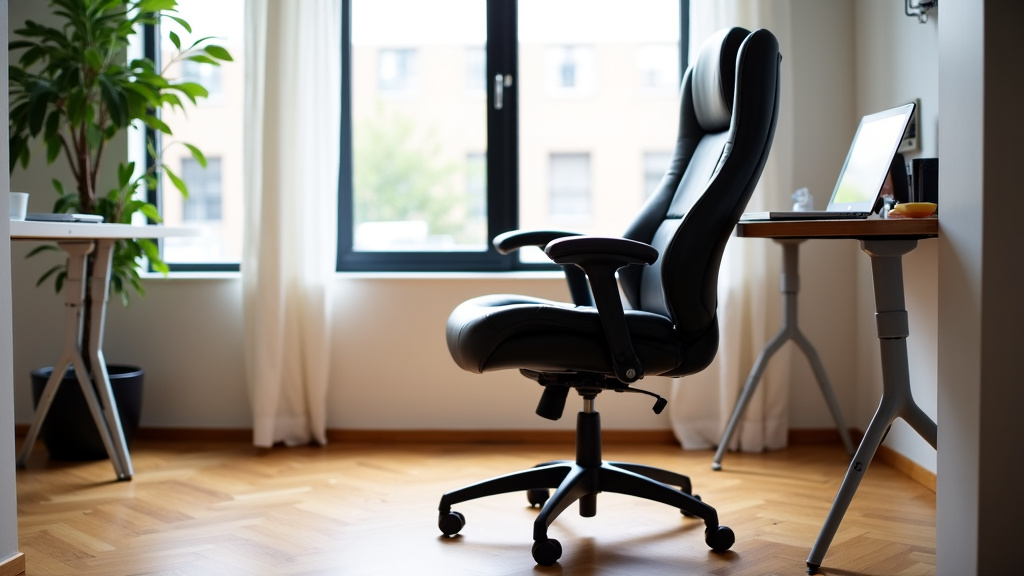
Considering Materials and Comfort for Long Workdays
The material of your chair impacts both comfort and durability. Different materials offer varying levels of breathability and support.
Mesh Chairs: The Breathable Option
Mesh chairs are popular for their excellent breathability. They keep you cool, which is a big plus during warmer months or if your office space tends to get stuffy. Mesh offers good support without feeling overly rigid. Many find them to be a comfortable and low-maintenance choice.
Fabric Chairs: Soft and Cozy
Fabric chairs often feel softer and more plush. They can be a great choice if you prefer a cozier feel. However, they might not be as breathable as mesh, and they can be harder to clean if you spill something. Look for durable, high-quality fabrics.
Leather Chairs: Classic and Durable
Leather chairs offer a classic, professional look. They can be very durable and easy to wipe clean. On the downside, leather doesn’t breathe well. This can make it feel hot and sticky during long sitting periods, especially in warmer climates. Many experts suggest leather is best for shorter sitting durations or cooler environments (National Institutes of Health).
Making Your Choice: Budget and Long-Term Value
Your budget plays a role, but remember that a good chair is an investment. A poorly chosen chair can lead to costly health issues down the line. Think about the chair’s lifespan and the warranty offered.
The Price Tag: What to Expect
You can find office chairs at a wide range of prices. Basic chairs might cost under $100. Mid-range ergonomic chairs typically fall between $200 and $500. High-end, fully adjustable chairs can cost $1,000 or more. We found that chairs in the $300-$600 range often offer a good balance of features, comfort, and durability.
Warranty Matters for Peace of Mind
A longer warranty period usually indicates the manufacturer’s confidence in their product’s durability. Many reputable brands offer warranties of 5 to 10 years, or even longer. This protects your investment. Always check the warranty details before purchasing.
Your Home Office Chair Checklist
- Does it have adjustable seat height?
- Is there good lumbar support?
- Are the armrests adjustable?
- Does the material suit your comfort and climate needs?
- What is the warranty period?
- Can you test it out or return it easily?
Conclusion
You’ve learned the essentials for choosing your perfect WFH chair. Remember, comfort and support are key to a productive workday. Prioritize ergonomic features like adjustable height and lumbar support. Consider the materials and your budget for long-term value. Making an informed choice now prevents future discomfort and boosts your focus. Take the time to find a chair that truly fits your body and your needs!
Frequently Asked Questions
How can I tell if a chair has good lumbar support?
Look for a chair with a noticeable curve in the backrest where your lower back sits. Many adjustable chairs let you move the lumbar support up/down or in/out to customize the fit.
Is a headrest really necessary for a home office chair?
A headrest isn’t mandatory for everyone, but it’s beneficial if you recline often or work long hours. It helps support your neck and head, reducing strain on those areas.
What’s the difference between mesh, fabric, and leather chairs?
Mesh offers great breathability to keep you cool. Fabric chairs feel softer and cozier but might be less breathable. Leather provides a classic look but can feel warm and sticky.
How much should I expect to spend on a good WFH chair?
You can find basic chairs for under $100. We found that chairs in the $300-$600 range often provide a great balance of features, comfort, and durability for most home offices.
What if the chair I buy isn’t comfortable?
Always check the return policy before purchasing. Many retailers allow returns within a certain timeframe, giving you a chance to test the chair in your own space and send it back if it’s not a good fit.
