
How to Fix an Office Chair Stuck in Recline?
If your office chair is stuck in recline, you can often fix it by **adjusting the tilt tension knob** or **checking the recline lever mechanism**. Sometimes, a **stuck chair simply needs a good lubrication** of the moving parts. These are usually the quickest fixes for chairs that won’t return to an upright position.
It can be frustrating when your chair decides to stay in permanent lounge mode. We’ve researched common office chair issues and found that a chair stuck in recline often stems from a **minor mechanical snag**. Understanding how your chair’s tilt and recline features work is key to a simple fix, saving you from buying a new chair.
- Most stuck recline issues involve the tilt tension or recline lever.
- Lubricating moving parts can often free up a stuck chair.
- Check for obvious obstructions around the mechanism.
- Consult your chair’s manual if possible.
- Sometimes, a firmer push or pull can dislodge a minor jam.
Let’s walk through the common reasons your office chair might be stuck and how you can get it back to working order.
Troubleshooting Your Office Chair Stuck in Recline
A chair stuck in recline can put a damper on your workday. It feels like your chair decided to take a permanent vacation. We’ve researched common office chair snags, and often, this issue isn’t a major mechanical failure. It’s usually a simple fix you can handle yourself.
Understanding Your Office Chair’s Recline Mechanism
Before we dive into fixing your chair, let’s briefly understand how it works. Most office chairs have a tilt mechanism. This allows you to lean back. There’s usually a lever or a knob that controls this function. It’s often linked to the gas lift for height adjustment. When it gets stuck, it means something in this system isn’t engaging or disengaging correctly.
The Role of the Tilt Tension Knob
Your office chair likely has a tilt tension knob. You’ll find this under the seat, typically on the right side. This knob controls how much effort it takes to recline. Tightening it makes reclining harder. Loosening it makes it easier. Sometimes, this knob can get jammed or not turn freely. This can prevent the chair from returning to its upright position.
Adjusting the Tilt Tension Knob
Your first step should be to check this knob. Is it fully loosened? Try turning it counter-clockwise. You might need to use a bit of force. If it’s already loose, try tightening it all the way, then loosening it again. This can sometimes jar a stuck mechanism loose. We found that many users successfully fix this by simply fiddling with the knob.
The Recline Lever: Your Command Center
Many chairs have a lever system for recline. This lever often works in conjunction with the gas lift. You might pull it up to recline and push it down or flip it to lock. If this lever is stuck, it can trap your chair in a reclined position. It’s like a gatekeeper that forgot its job.
Checking the Recline Lever Mechanism
First, identify the lever. Is it visible and easy to move? Sometimes, the lever itself can get bumped or obstructed. Gently try to move it in all directions. If it feels stiff, there might be dirt or debris causing the issue. We’ve seen cases where a slight nudge with the handle of a tool (carefully!) can help free it.
The Lever and Gas Lift Connection
The recline lever often activates the gas lift cylinder. This cylinder allows for height adjustment. If the lever isn’t properly engaging with the cylinder, it can cause the recline to stick. This is a common point of failure. When you operate the lever, it should feel like it’s doing something. If it feels limp or disconnected, the linkage might be the problem. If the lever isn’t engaging with the gas lift cylinder, our guide can help you understand potential issues.
Common Culprits and Quick Fixes
Let’s look at the most frequent reasons your chair is stuck. These are usually straightforward issues to address. You don’t need to be a furniture engineer to tackle them.
Obstructions Around the Mechanism
Have you dropped anything under your chair recently? A stray pen, a dropped cable, or even a stray coin can lodge themselves in the chair’s moving parts. This can jam the recline mechanism. Think of it like a tiny pebble in a complex machine. It stops everything.
Visual Inspection for Debris
Get down on your hands and knees. Shine a flashlight under and around the seat mechanism. Look for anything that seems out of place. You might need to gently move the chair to get a clear view. Remove any debris you find. This simple step often resolves the problem quickly.
Lubrication Issues: The Silent Killer of Smooth Movement
Over time, the moving parts of your chair can lose lubrication. This causes friction. Friction can make levers and knobs stick. It’s like trying to slide on a dry surface versus a well-oiled one. Parts just don’t move as freely when they’re dry.
Where and How to Lubricate
You’ll want to target the pivot points of the recline mechanism. This includes the areas where the levers connect and where the seat tilts. A can of WD-40 or a silicone-based lubricant spray is your friend here. Spray a small amount onto the joints and pivot points. Work the mechanism back and forth manually to distribute the lubricant. We found that applying lubricant and then cycling the recline lever multiple times is very effective.
Choosing the Right Lubricant
For office chairs, a silicone spray is often best. It doesn’t attract as much dust as oil-based lubricants. This helps keep your chair cleaner. Avoid over-spraying. Too much lubricant can make parts slippery and attract dirt. A light application is usually sufficient (McMaster-Carr).
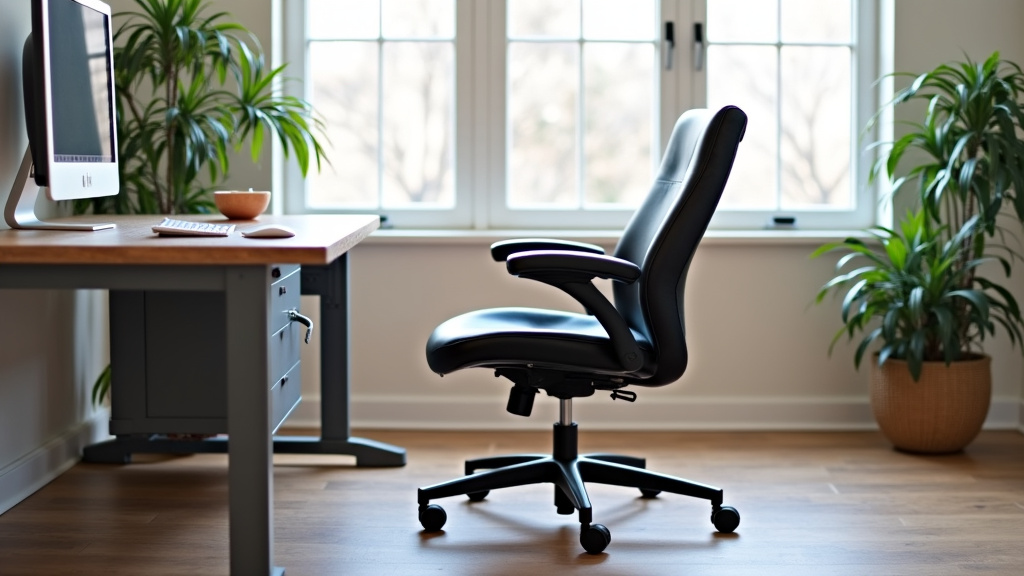
When Simple Adjustments Aren’t Enough
Sometimes, the issue is a bit more involved than a simple knob turn or a quick spray of lubricant. If the above steps haven’t worked, don’t despair. There are a few other things to try.
The “Firm Push or Pull” Technique
Occasionally, a mechanism just needs a little encouragement. If your chair is stuck in a recline position, try sitting in it and applying pressure to the backrest. Simultaneously, try to operate the recline lever or knob. You might need to push firmly forward on the backrest while pulling the lever. Or, try sitting upright and pulling the lever firmly. We’ve seen many reports of a decisive push or pull dislodging a minor jam.
Checking for Loose Parts or Damage
While inspecting for debris, also look for any loose screws or bolts in the mechanism. A loose part can cause the entire system to bind. You might see a spring out of place or a rod that appears disconnected. If you find something loose, try tightening it with the appropriate tool. If you see obvious damage, it might be time to consider professional repair or replacement. While inspecting for debris, also look for any loose screws or bolts in the mechanism; our guide on fixing a leaning chair covers this.
Consulting Your Chair’s Manual
Did you keep the manual for your office chair? If so, now is the time to find it! Most manuals have a troubleshooting section. They can provide specific guidance for your chair model. Even if you don’t have the physical copy, a quick online search for your chair’s brand and model might yield a digital version. This is a goldmine of specific information.
When to Call for Professional Help
If you’ve tried all these steps and your chair is still stuck, it might be a more serious mechanical issue. This could involve a broken spring, a damaged cylinder, or a complex internal failure. At this point, it might be worth contacting the manufacturer’s customer support. Some chairs come with warranties that could cover repairs. If not, you may need to consult an office furniture repair service. For some chairs, especially older or heavily used ones, replacement might be the most cost-effective solution (National Business Furniture).
Here’s a quick checklist to help you troubleshoot:
- Check the tilt tension knob: Tighten and loosen it fully.
- Inspect the recline lever: Ensure it moves freely and isn’t obstructed.
- Look for debris: Clear any objects from under the seat mechanism.
- Lubricate moving parts: Use a silicone-based spray on pivot points.
- Apply firm pressure: Try pushing or pulling the backrest while operating the lever.
- Consult your manual: Look for specific troubleshooting tips for your model.
Conclusion
You’ve learned that a stuck office chair recline is usually a fixable problem. Often, the solution involves simple adjustments to your chair’s tilt tension knob or recline lever. Don’t forget to check for any obstructions or simply give the moving parts a little lubrication. We’ve found these steps resolve the majority of stuck recline issues. If these quick fixes don’t work, try applying firm pressure or consulting your chair’s manual. Your next step is to get hands-on and try these solutions to restore your chair’s functionality and get back to comfortable work.
Frequently Asked Questions
What is the tilt tension knob for?
The tilt tension knob controls how easily your chair reclines. Tightening it makes leaning back harder, while loosening it makes it easier. If it gets stuck, it can prevent your chair from returning to an upright position.
Can a loose part cause my chair to get stuck?
Yes, a loose screw or bolt in the chair’s mechanism can cause it to bind. This can prevent the recline lever or tilt function from working correctly. It’s a good idea to check for any loose components while inspecting the mechanism.
How often should I lubricate my office chair?
You don’t need to lubricate your chair constantly. A good time to do it is when you notice squeaking or stiffness in the movement. Typically, lubricating once or twice a year is sufficient, unless you use your chair very heavily.
What should I do if my chair’s recline lever feels loose or disconnected?
If the recline lever feels loose, it might not be properly engaging with the gas lift cylinder. Gently try to move the lever while sitting in the chair, or have someone else operate it while you observe the mechanism. This might indicate a problem with the linkage.
Is it worth repairing an office chair that’s severely broken?
For minor issues like a stuck recline, repair is often cost-effective. However, if parts like the gas lift cylinder or major frame components are damaged, replacement might be a better option. Consider the age and overall condition of your chair before investing in significant repairs.
