
How to Fix an Office Chair That Won’t Tilt Back?
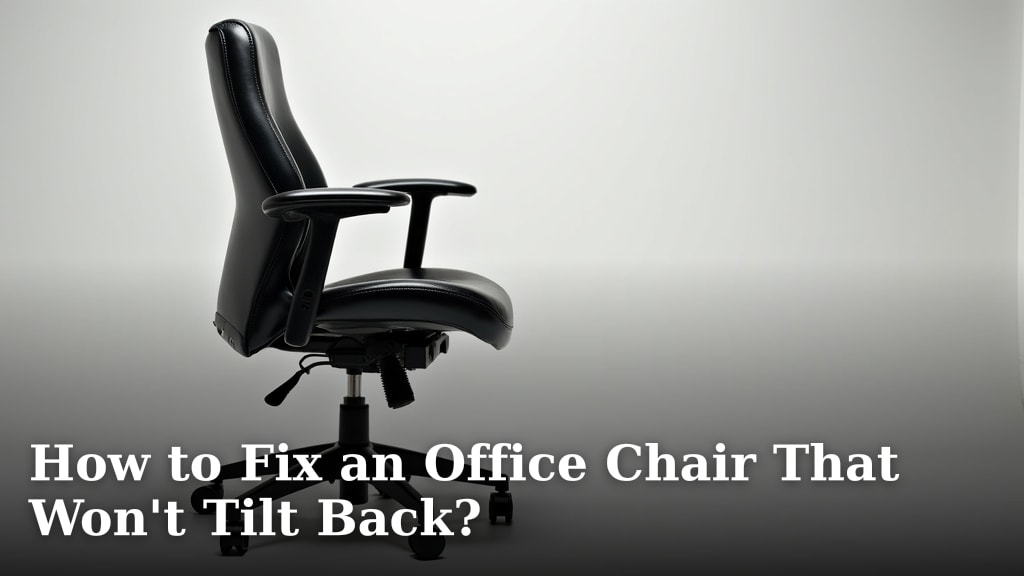
If your office chair won’t tilt back, you can often fix it by adjusting the tilt tension knob or checking the tilt lock mechanism. These are the most common culprits when your chair feels stuck. Thankfully, most tilt issues are relatively simple to resolve yourself without needing professional help. You can usually get your chair reclining again in just a few minutes.
A chair that won’t tilt can be incredibly frustrating, especially when you want to lean back and relax for a moment. We found that problems often stem from simple mechanical issues, like a knob that’s too tight or a lever that’s out of place. Understanding the basic parts of your chair can help you quickly diagnose and fix the problem. Let’s get your chair moving freely again!
- Tilt tension knob is often the fix.
- Check the tilt lock if the knob doesn’t work.
- Look for obstructions or loose parts.
- Consult your chair’s manual if unsure.
Let’s walk through the common reasons why your office chair might not be tilting and how you can get it working properly again.
Getting Your Office Chair to Tilt Again
It’s incredibly frustrating when your office chair refuses to tilt back. You just want to lean back for a moment, but your chair feels stuck. This common problem often has a simple fix. We found that most tilt issues can be resolved with a few basic adjustments. Let’s get your chair moving freely again.
Understanding Your Chair’s Tilt Mechanism
Most office chairs use a tilt mechanism located under the seat. This mechanism connects the seat to the base. It controls the chair’s ability to recline and often has adjustments for tension and locking. Knowing these parts helps you troubleshoot effectively. We found that identifying the specific parts is the first step.
The Tilt Tension Knob: Your First Line of Defense
The tilt tension knob is usually the most accessible part of the tilt mechanism. It’s designed to control how easily your chair reclines. Turning this knob adjusts the spring’s resistance. A tighter setting makes it harder to tilt. A looser setting makes it easier. Many users find that simply adjusting this knob solves their tilt problem.
Where to Find the Tilt Tension Knob
Look underneath your chair seat. You’ll likely see a round knob with ridges or a handle. This is the tilt tension knob. It’s usually located on one side, near the front of the mechanism. Sometimes it’s a larger, more prominent knob. Other times, it’s smaller and might be a lever. We found that its location can vary by chair model.
How to Adjust the Tilt Tension Knob
To loosen the tilt tension, turn the knob counter-clockwise. You’ll want to do this slowly. Try tilting your chair after each adjustment. If it’s still not tilting, turn it a bit more. Continue until you feel it start to loosen up. To tighten the tension, turn the knob clockwise. This is useful if your chair tilts too easily. We found that a half-turn can sometimes make a big difference.
What if the Knob Seems Stuck?
If the knob won’t turn, it might be jammed with dust or debris. You can try spraying a little penetrating lubricant on the threads. Let it sit for a few minutes. Then, try turning the knob again. Be gentle to avoid damaging the mechanism. If it’s a lever, check if anything is blocking its movement. We found that a stubborn knob often just needs a little persuasion.
The Tilt Lock: Is Your Chair Locked in an Upright Position?
Many office chairs have a tilt lock feature. This allows you to lock the chair in a specific upright position. If this lock is engaged, your chair won’t tilt back. This is a very common reason for a chair not reclining. We found that users sometimes accidentally engage this lock.
How to Identify and Operate the Tilt Lock
The tilt lock mechanism is often controlled by a lever or a button. It’s usually located on the same side as the tilt tension knob, or directly on the tilt mechanism itself. Some chairs have a lever you push down to lock and pull up to unlock. Others might have a button you press. Check your chair for any levers or buttons near the seat’s underside.
Troubleshooting a Locked Tilt
If you find a lever or button, try manipulating it. Push it, pull it, or toggle it back and forth. You might hear a click when it engages or disengages. After moving the lock control, try tilting your chair again. Make sure the lever is fully in the unlock position. We found that a lever that isn’t fully disengaged can prevent tilting.
When the Tilt Lock Doesn’t Seem to Work
Sometimes, the tilt lock mechanism can get stuck. This might be due to internal damage or misalignment. If you’ve confirmed the lever is in the unlock position, but the chair still won’t tilt, the issue might be deeper. It’s possible the mechanism itself is broken. We found that some simpler chairs have a less robust locking system.
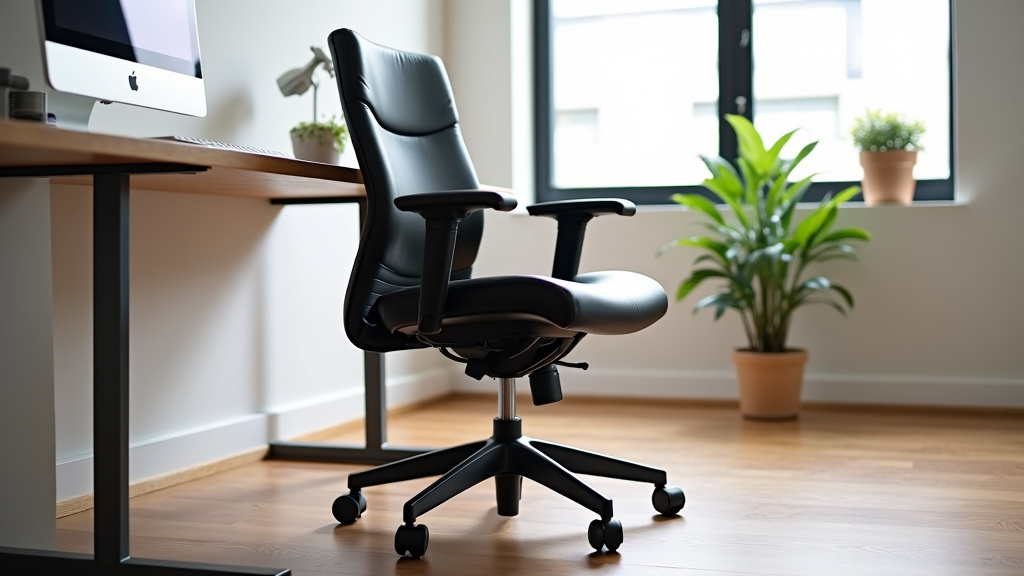
Other Potential Causes and Fixes
Beyond the tension knob and the lock, other issues can prevent your chair from tilting. These are less common but still worth checking. Being thorough can save you time and frustration. We found that sometimes, it’s just a simple obstruction.
Check for Obstructions and Loose Parts
Sometimes, objects can get lodged in the tilt mechanism. Things like pens, cables, or even stray snacks can get caught. Look carefully around and inside the mechanism. Remove anything that doesn’t belong. Also, check if any parts of the mechanism are loose. Screws or bolts can sometimes work their way free over time. If you find loose parts, try tightening them. Be careful not to overtighten.
The Gas Lift Cylinder: A Less Common Culprit
While the gas lift cylinder primarily controls seat height, a malfunctioning one can sometimes affect tilt. If the cylinder is leaking or damaged, it might not support the chair’s movement correctly. This is less common, but if other fixes fail, it’s something to consider. Signs of a failing gas lift include difficulty maintaining height or a wobbly base.
Consult Your Chair’s Manual or Manufacturer
Every chair is a little different. If you’re unsure about your specific model, consulting the owner’s manual is a smart move. It will show you the exact location and operation of your chair’s tilt controls. If you don’t have the manual, visit the manufacturer’s website. They often have digital copies available. Many manufacturers also offer customer support. They can guide you through troubleshooting specific to your chair. We found that manufacturer support is often very helpful.
Here’s a quick checklist to get your chair tilting again:
- Find the tilt tension knob under your seat.
- Turn the knob counter-clockwise to loosen it.
- Check for a tilt lock lever or button.
- Ensure the tilt lock is in the unlocked position.
- Inspect the mechanism for any obstructions.
- Tighten any loose screws on the mechanism.
Conclusion
You’ve learned how to tackle a stubborn office chair that won’t tilt back. We found that most issues stem from simple mechanical points like the tilt tension knob or the tilt lock mechanism. By adjusting these or checking for simple obstructions, you can often restore your chair’s functionality quickly. Don’t let a stuck chair disrupt your comfort. Your next step is to try these simple fixes!
Frequently Asked Questions
My office chair won’t tilt at all, even when I twist the knob. What else could it be?
If the tilt tension knob isn’t helping, the issue is likely with the tilt lock. Your chair might be stuck in a locked position. Try to find and disengage any levers or buttons near the seat mechanism. We found that sometimes this lock just needs to be firmly toggled.
The tilt tension knob is really stiff and hard to turn. What should I do?
A stiff knob could mean it’s jammed with dust or debris. You can try spraying a little penetrating lubricant onto the knob’s threads. Let it soak in for a few minutes before gently attempting to turn it again. Avoid forcing it, as this could damage the mechanism.
How do I know if my chair has a tilt lock feature?
Most chairs with tilt functionality have a lock. Look for a lever or a button located under the seat, typically on the same side as the tilt tension knob. Some chairs have a prominent lever you pull up to unlock, while others might have a smaller, less obvious control.
Can a loose part under my chair stop it from tilting?
Yes, it’s possible. Check the entire tilt mechanism for any loose screws or bolts. If you find any, try tightening them carefully. Loose components can sometimes prevent the mechanism from moving freely. We’ve seen this happen on chairs that get a lot of use.
My chair tilts too easily after I adjusted the knob. How do I fix this?
If your chair now tilts too easily, you need to tighten the tilt tension. Locate the tilt tension knob and turn it clockwise. You’ll want to do this slowly, testing the tilt after each small adjustment. This increases the resistance, making it harder to recline.
