
Is Buying an Office Chair a Good Business Investment?
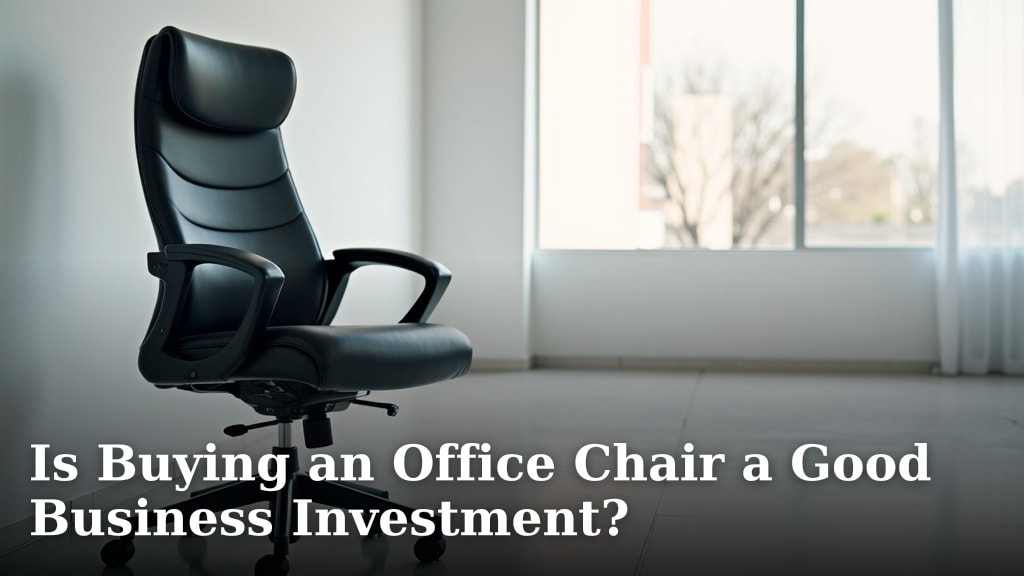
Yes, buying a quality office chair can be a smart business investment. It directly impacts your team’s health and productivity. A comfortable chair reduces distractions and physical discomfort, allowing your employees to focus better on their work.
When your employees are comfortable, they are generally happier and more focused. This can lead to fewer sick days and higher overall output. Think of it as a foundational piece for a successful workday.
- Investing in a good chair boosts employee health.
- Comfort leads to better focus and higher productivity.
- It’s a key component for a productive work environment.
- Reduces physical strain and potential long-term issues.
Let’s break down why a proper office chair is more than just furniture and how it benefits your business. We’ll look at the key factors to consider when making this important purchase.
Investing in Ergonomic Seating: A Smart Business Move?
Absolutely. Investing in quality office chairs is more than just buying furniture. It’s an investment in your team’s well-being and your business’s overall productivity. When employees are comfortable, they can focus better. This reduces distractions caused by aches and pains. It’s a foundational element for a successful workday.
The Link Between Comfort and Productivity
Think about your own workday. When you’re fidgeting, shifting, or feeling a dull ache in your back, how much of your attention is really on the task at hand? Studies consistently show a strong correlation between physical comfort and cognitive performance. When your employees aren’t battling discomfort, their mental energy is freed up for actual work.
Reduced Distractions, Increased Focus
A good chair provides proper support. This means fewer physical distractions. Your team can stay in their flow state longer. They won’t need to take as many breaks just to stretch or alleviate pain. This uninterrupted focus directly translates to higher output.
Boosting Morale and Job Satisfaction
Showing your employees you care about their comfort can have a significant impact on morale. Providing ergonomic seating signals that you value their health. This can lead to increased job satisfaction. Happy employees are often more engaged and motivated. They feel appreciated, and that goes a long way.
Health Benefits: Preventing Pain and Injury
This is where the investment really pays off in the long run. Poor posture and inadequate support can lead to a host of health issues. These aren’t just minor inconveniences; they can be debilitating and costly.
Combating Back and Neck Pain
Many office workers experience back and neck pain. This is often due to sitting for long periods in chairs that don’t offer the right support. An ergonomic chair is designed to promote a healthy spinal alignment. This can significantly reduce the strain on your employees’ backs and necks. Guidelines from health organizations often highlight the importance of posture for preventing musculoskeletal issues (CDC).
Preventing Repetitive Strain Injuries (RSIs)
RSIs, like carpal tunnel syndrome, can be exacerbated by poor posture. When your arms and wrists are not properly supported, you might compensate by hunching your shoulders or angling your wrists awkwardly. An adjustable, supportive chair helps maintain a neutral body position. This reduces the risk of developing these painful and often chronic conditions.
Improving Circulation and Energy Levels
Did you know your chair can impact blood flow? A chair that’s too tight or doesn’t allow for proper leg positioning can impede circulation. This can lead to fatigue and sluggishness. Ergonomic chairs often feature waterfall seat edges and adjustable height. These elements help ensure better blood flow, keeping your team more energized throughout the day.
Long-Term Cost Savings of Quality Seating
While the initial cost of a good chair might seem high, consider the potential savings over time. It’s about looking at the bigger financial picture for your business.
Reduced Healthcare Costs and Absenteeism
When your employees are healthier, your business benefits. Fewer RSIs and less chronic pain mean fewer doctor visits and potentially lower healthcare premiums. It also means fewer sick days. Employees who are comfortable and pain-free are less likely to need time off due to work-related discomfort. This directly impacts your bottom line.
Lower Employee Turnover
A workplace that invests in employee comfort and health can see a reduction in turnover. When employees feel valued and their physical needs are met, they are more likely to stay with your company. High turnover is expensive, involving recruitment, onboarding, and lost productivity. A quality chair is a small part of a larger strategy to create a positive work environment.
Key Features of an Ergonomic Office Chair
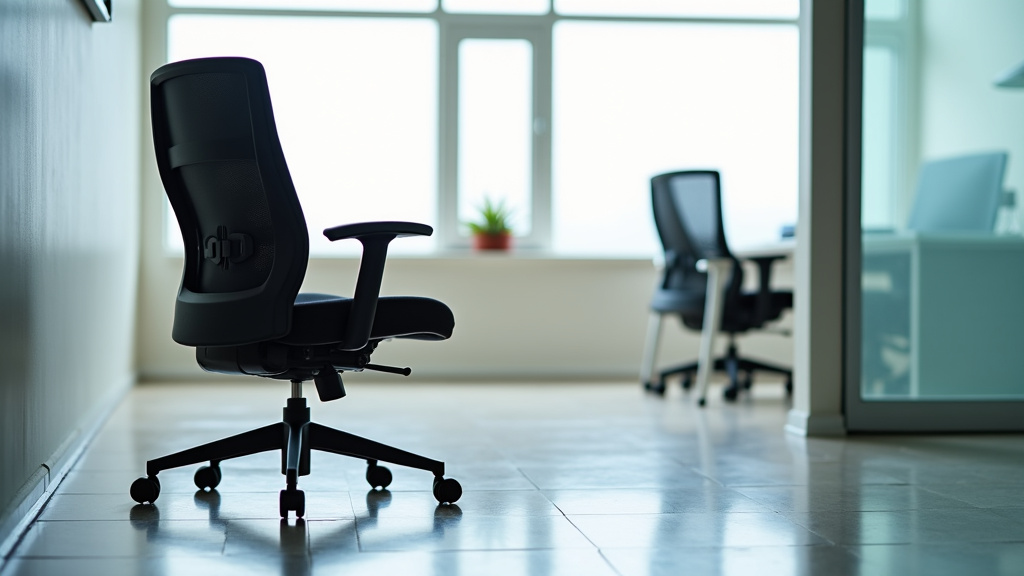
Not all chairs are created equal. When you’re looking to invest, keep an eye out for these important features. They are designed to provide the support your team needs.
Adjustability is King
The best chairs offer a range of adjustments. This allows each individual to customize the fit to their unique body. Look for:
- Seat Height: Allows feet to rest flat on the floor with knees at a 90-degree angle.
- Seat Depth: Ensures proper thigh support without pressing into the back of the knees.
- Lumbar Support: Adjustable height and depth to support the natural curve of the lower back.
- Armrest Height and Width: Supports the arms and shoulders, reducing neck strain.
- Backrest Recline and Tilt: Allows for natural movement and changes in posture.
Material Matters for Comfort and Durability
The materials used affect both comfort and longevity. Breathable fabrics like mesh can keep users cool. High-density foam provides good cushioning and support. High-quality upholstery can withstand daily use, making the chair a more durable investment.
The Importance of the Right Support
Beyond adjustability, the chair’s fundamental design is key. It should encourage good posture naturally. This means adequate padding where needed and a shape that supports the body’s contours. A well-designed chair feels supportive without feeling restrictive. Research in ergonomics highlights the importance of lumbar support for spinal health (NCBI).
Making the Purchase: A Checklist for Smart Buying
Ready to make the leap? Here’s a quick checklist to ensure you’re making a smart purchase for your business:
- Assess Your Needs: Consider the primary tasks your employees perform and the duration they spend seated.
- Set a Realistic Budget: Quality ergonomic chairs can range in price, but remember the long-term savings.
- Prioritize Adjustability: Ensure the chairs offer multiple adjustment points for a customized fit.
- Check Warranties: Longer warranties often indicate a manufacturer’s confidence in product durability.
- Read Reviews: Look for feedback on comfort, durability, and customer service from reputable sources.
- Consider Try-Before-You-Buy: If possible, have a few employees test out different models.
Conclusion
Investing in quality office chairs is more than just a purchase. It’s a strategic business decision that impacts your team’s health and your company’s productivity. By prioritizing ergonomic seating, you’re showing your employees you care about their well-being. This leads to fewer aches, better focus, and improved morale. Think of the long-term savings from reduced healthcare costs and lower employee turnover. Make the smart choice today to support a healthier, more productive future for your business. Consider having a few employees test chairs to find the best fit before making a larger purchase.
Frequently Asked Questions
How much should I expect to spend on a quality office chair?
The cost can vary widely, but expect to invest between $300 and $1000 for a truly ergonomic and durable chair. While this may seem like a lot, remember to factor in the long-term benefits like reduced health issues and increased productivity. A higher upfront cost often translates to better durability and support over time.
Can a single good chair make a difference in my small business?
Absolutely. Even in a small team, the impact of one person experiencing less pain and more focus is substantial. If you can only afford one or two initially, consider prioritizing them for your most frequent computer users or those who have expressed discomfort. Every improved workstation contributes to your overall business success.
What if my employees have very different body types?
This is why adjustability is so critical. Look for chairs with a wide range of adjustments for seat height, depth, lumbar support, and armrests. This ensures that each individual can customize the chair to their unique body shape and size. It’s better to invest in chairs that cater to a broad spectrum of needs rather than guessing what might work for most.
How can I ensure an ergonomic chair will reduce my business’s healthcare costs?
By minimizing the risk of work-related musculoskeletal issues like back pain and RSIs. When employees experience fewer physical ailments, they are less likely to require medical attention or take sick days due to discomfort. This directly translates to lower healthcare expenses and fewer disruptions to your workflow. Investing in prevention is typically more cost-effective than treating problems later.
Is it worth investing in chairs for a hybrid or remote workforce?
Yes, it can be. If your business provides stipends or directly purchases chairs for remote employees, you’re ensuring a consistent level of comfort and support across your entire team. This helps maintain productivity regardless of work location and demonstrates your commitment to employee well-being. It also helps standardize the employee experience and can mitigate ergonomic risks.
