
Is It Ok to Sit Cross Legged in an Office Chair?
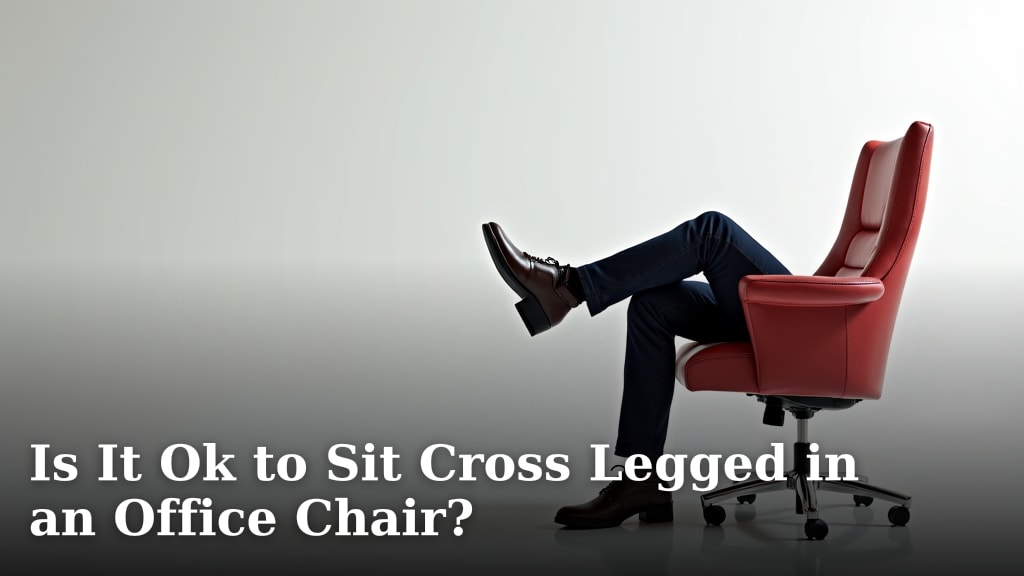
Yes, it’s generally okay to sit cross-legged in an office chair, but for limited periods. While comfortable for some, prolonged sitting this way can lead to various discomforts and potential issues if you’re not careful. We found many people enjoy the temporary relief it offers.
Switching positions is key for any office setup. While crossing your legs feels natural, it can strain your hips and knees over time. Many experts suggest that regular movement and varied postures are far more beneficial for your overall spinal health than any single sitting position.
- Sitting cross-legged feels good but can cause problems if done too long.
- It’s fine for short breaks, but not for your entire workday.
- Switching positions often is the best advice for office workers.
- Focus on good posture and taking movement breaks regularly.
- Listen to your body and adjust as needed.
Let’s walk through the pros and cons and how you can sit more comfortably and healthily, whether cross-legged or not, in your office chair.
You’re probably wondering if that comfy cross-legged position you often find yourself in while working is actually good for you. We get it! After a long stretch of sitting, many people instinctively shift into a cross-legged pose for a bit of relief. But is it okay to make that a regular habit in your office chair?
Your Guide to Sitting Cross-Legged at Your Desk
Yes, it’s generally okay to sit cross-legged in an office chair, but for limited periods. While it offers temporary comfort for many, prolonged sitting this way can lead to discomfort and potential issues if not managed carefully. We found that most people enjoy the temporary relief it offers.
The key to healthy office ergonomics isn’t about finding one perfect posture. It’s about regular movement and varied postures. Switching positions often is far more beneficial for your overall spinal health than sticking to any single sitting position for hours on end.
The Appeal: Why We Love Sitting Cross-Legged
Let’s be honest, sitting cross-legged just feels natural and comfortable for many of us. It can offer a sense of relaxation and grounding. For some, it can even feel like a welcome break from the standard upright sitting position. You might find it helps you feel more settled at your desk. It’s a way to change up your physical orientation without leaving your workspace.
This position can sometimes feel like it’s helping you center yourself. Maybe you lean back in your chair and pull one leg up, tucking it under the opposite thigh. Or perhaps you bring both legs up and tuck them under your seat. Whatever your style, it’s a common way to get a temporary reprieve from a static posture. We’ve found that this temporary shift can feel incredibly good.
Potential Downsides: What Happens When You Sit Cross-Legged Too Long
While comfortable in moderation, sitting cross-legged for extended periods can create some unwelcome consequences. Your body isn’t designed to hold one asymmetrical position for your entire workday. Think of it like holding your arm in one position for too long – eventually, it starts to ache. Your spine and legs can experience similar strain.
Impact on Your Hips and Pelvis
When you sit cross-legged, you’re essentially twisting your pelvis. This can put uneven pressure on your hip joints. Over time, this can lead to tightness in your hip flexors and outer hips. Many experts point out that this can create an imbalance in your pelvic alignment (Harvard Health Publishing).
This constant twisting can contribute to hip pain and stiffness. It might even affect how your legs move naturally. Your muscles can get used to this strained position. When you then try to stand or walk, you might feel a bit stiff or off-balance. We found that hip flexor tightness is a common complaint among desk workers.
Knee Discomfort and Strain
Your knees also take a hit when you sit cross-legged for too long. The pressure is concentrated on one side of your knee joint. This can irritate the cartilage and surrounding tissues. If you already have knee issues, this position can make them worse.
We found that individuals prone to knee pain often report increased discomfort after prolonged cross-legged sitting. This is due to the unnatural bending and twisting. It’s not just about pressure; it’s about the way your knee joint is forced to bear weight. This can be especially true if your office chair isn’t designed for this type of movement.
Circulation Concerns
Can sitting cross-legged affect your blood flow? Yes, it can. When you cross your legs, you might be compressing nerves and blood vessels. This can lead to that familiar tingling or numb sensation, often called “pins and needles.” While usually temporary, chronic compression isn’t ideal for circulation.
This can also lead to a temporary drop in blood pressure in your lower extremities. While not usually dangerous for short periods, consistent restriction isn’t great for your circulatory health. We found that people who sit for very long stretches often experience this. It’s a signal from your body that it needs to move.
Potential for Back Pain and Poor Posture
Sitting cross-legged often encourages slouching. Your spine naturally curves into a C-shape rather than maintaining its healthy S-curve. This puts extra strain on your lower back muscles and ligaments. Over time, this can contribute to chronic back pain. Over time, this can contribute to chronic back pain; our guide to the best ergonomic chair for lower back pain offers solutions.
Your upper back and neck can also suffer. When you slouch, your head tends to jut forward. This puts immense pressure on your neck muscles. Many ergonomic experts highlight that this forward head posture can lead to neck pain and headaches (Cleveland Clinic). So, that comfortable position might be secretly contributing to your aches.
Making Cross-Legged Sitting Work for You (Safely!)
So, can you sit cross-legged at all? Absolutely! The key is to treat it as a temporary stretch or position change, not your default. Think of it as a mini-break for your body, not a permanent vacation.
Set Time Limits
The golden rule is to keep it short. Aim for just a few minutes at a time. Set a timer on your phone or computer if you need to. When the timer goes off, switch to a different position. This simple habit can prevent most of the negative effects.
Try switching every 15-30 minutes. This isn’t just for cross-legged sitting; it’s good advice for any seated posture. Even a minute or two in a different position can make a big difference. We found that incorporating short movement breaks is incredibly effective.
Listen to Your Body’s Signals
Your body is smart. It sends you signals when something isn’t right. If you feel tingling, numbness, stiffness, or pain, it’s time to change your position. Don’t ignore these cues. They are your body’s way of asking for a reset.
Pay attention to how you feel after sitting cross-legged for a while. Do your hips feel tight? Is your lower back aching? These are signs that you might be overdoing it. Adjust your habits based on this feedback. Your comfort is the best guide.
Ensure Proper Chair Adjustment
Your office chair plays a role. Can your chair accommodate you sitting cross-legged? Some chairs have a seat pan that’s too narrow or arms that get in the way. If you’re trying to sit cross-legged, make sure your chair allows you to do so without forcing your body into an awkward position.
Ideally, your chair should have adjustable armrests that can be moved out of the way. The seat depth should also allow your legs to be comfortable. If your chair makes cross-legged sitting feel cramped or uncomfortable, it’s probably not the right chair for that position anyway. We found that a supportive chair is essential for all sitting positions.
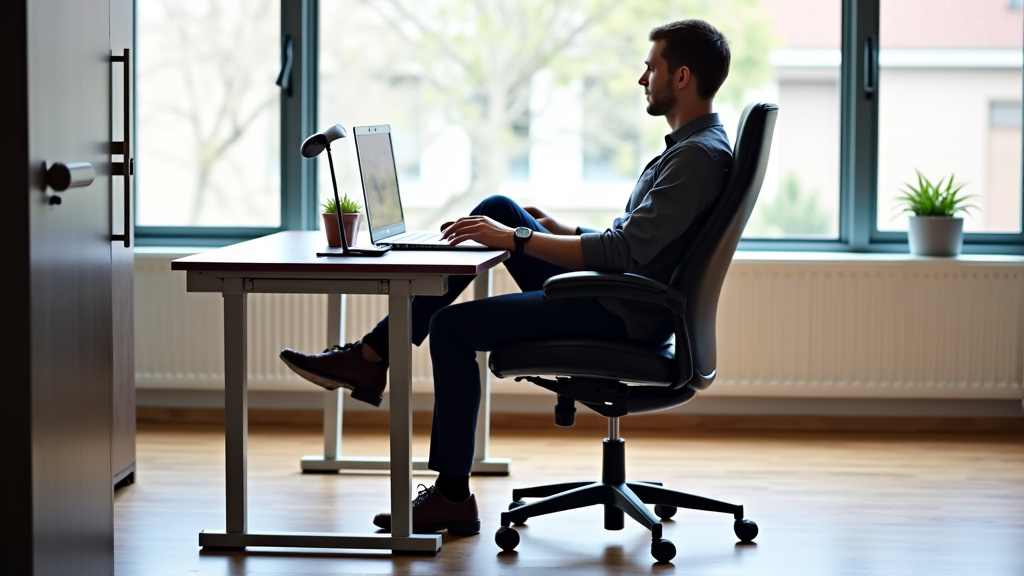
Alternative Comfortable Positions to Try
If sitting cross-legged isn’t ideal for long periods, what else can you do? Luckily, there are many other ways to find comfort and support in your office chair.
The Standard Seated Posture (Done Right!)
This involves sitting with your feet flat on the floor, knees bent at about 90 degrees. Your back should be supported by the chair, and your shoulders should be relaxed. Ensure your monitor is at eye level to avoid neck strain.
The “Figure Four” Stretch
This is a milder version of sitting cross-legged. You can place one ankle on the opposite knee, creating a figure-four shape. This stretches your outer hip and glute muscles with less spinal twist. It’s a great way to get some hip opening without the full cross-legged position.
Supported Seated Position with Footrest
If your feet don’t comfortably reach the floor, a footrest can be a lifesaver. This helps you maintain the correct knee angle and supports your legs. It can also encourage a more upright posture.
Your Office Chair Comfort Checklist
To help you ensure your workspace supports healthy sitting habits, check these points:
- Does your chair offer good lumbar support?
- Can you adjust the armrests to be out of the way?
- Are your feet flat on the floor or a footrest?
- Is your monitor at eye level?
- Do you take short movement breaks every 30-60 minutes?
- Can you comfortably shift between different sitting positions?
By incorporating these simple checks and mindful habits, you can create a more comfortable and ergonomic workspace. Remember, the best posture is the one you’re not stuck in for too long!
Conclusion
So, while sitting cross-legged in your office chair can offer a welcome bit of comfort, it’s best enjoyed in short bursts. Your body thrives on movement and varied postures. Prolonged cross-legged sitting can lead to discomfort in your hips, knees, and back. Listen closely to your body’s signals – those tingles or aches are your cues to shift. Prioritize regular movement breaks and explore other comfortable, supportive positions throughout your day. Make conscious choices for your posture, and you’ll support your long-term well-being at your desk.
Frequently Asked Questions
How often should I switch positions if I sit cross-legged?
Aim to switch positions at least every 15-30 minutes. This applies not just to cross-legged sitting but to any static posture. Even a short change can make a significant difference for your body.
Can sitting cross-legged cause long-term back pain?
Yes, it can contribute to back pain if done for extended periods. Slouching often accompanies cross-legged sitting, which strains your lower back muscles and can disrupt your spine’s natural curve.
What’s a healthier alternative to sitting cross-legged for hip relief?
Try the “figure four” stretch where you rest one ankle on the opposite knee. This offers hip and glute stretching with less spinal twisting than full cross-legged sitting.
My office chair doesn’t seem designed for cross-legged sitting. What should I do?
If your chair’s armrests get in the way or the seat is too narrow, it’s likely not ideal for cross-legged sitting. Focus on maintaining a neutral, supported posture and take movement breaks instead.
What are the first signs that sitting cross-legged is bothering me?
Pay attention to tingling, numbness, stiffness, or any new aches in your hips, knees, or lower back. These are clear indicators that your body needs you to change your position.
