
Is Leather or Fabric Office Chair Better for Pets?
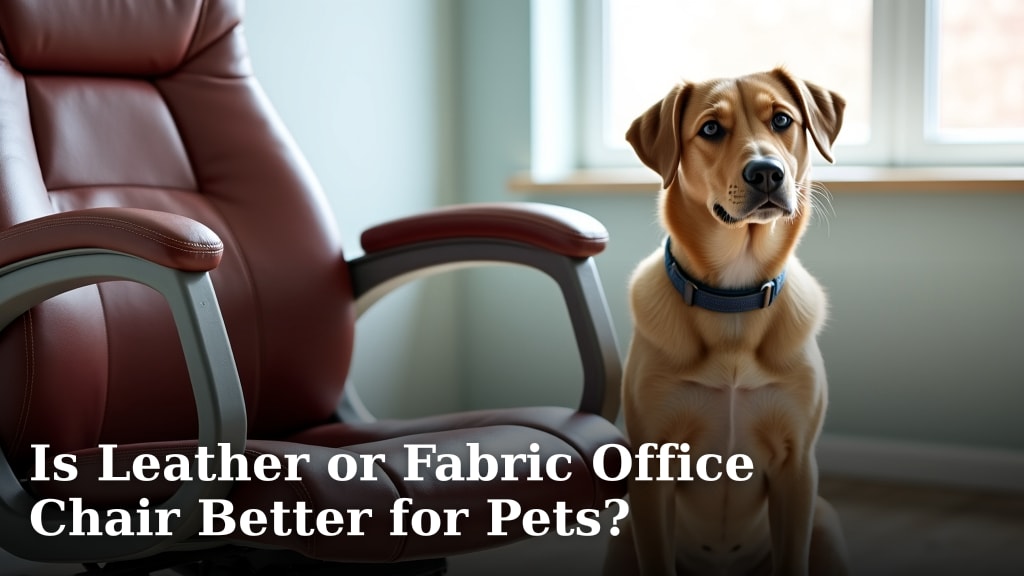
When choosing an office chair for your furry friend, fabric chairs are generally better for pets than leather. Fabric can hide scratches and is often more resistant to claw damage, making it a more durable choice for pet owners. While leather might seem easy to wipe clean, it’s easily punctured and scratched by pet claws.
We know you love your pets and want a comfortable workspace. But pets can sometimes turn your office chair into a scratching post or a shedding station. Understanding the differences in material durability will help you make a smart decision for both you and your pet. It’s all about finding that sweet spot between pet-friendliness and office style.
- Fabric is more scratch-resistant for pet claws.
- Leather can tear and scratch easily from pets.
- Consider weave and material for fabric durability.
- Cleaning methods differ greatly between materials.
- Your pet’s habits will influence the best choice.
Let’s break down the pros and cons of leather versus fabric office chairs when furry companions are part of your home. We’ll help you figure out which material will stand up best to your pet’s presence.
Leather vs. Fabric Office Chairs: Which Wins for Pet Owners?
You’re probably wondering: is a leather or fabric office chair the better choice when you share your home with furry pals? We’ve looked into it, and the general consensus is that fabric chairs tend to be more pet-friendly. They often hold up better against enthusiastic paws and shedding than their leather counterparts. Let’s break down why.
Understanding Material Durability with Pets in Mind
When you’re working from home, your office chair isn’t just a piece of furniture. It’s your command center. And when pets are around, this command center can sometimes become their playground. So, how do leather and fabric hold up under the paws and claws of your beloved companions?
The Scratch Factor: Leather’s Vulnerability
Leather chairs look sleek and sophisticated. They can certainly add a touch of class to your home office. However, when it comes to pets, especially cats and dogs with active claws, leather presents a challenge. We found that pet claws can easily puncture or scratch the surface of leather. Even a playful swipe can leave a visible mark. This can quickly turn your stylish chair into a scratched-up mess. It’s like trying to keep a brand-new car’s paint job perfect when you have energetic kids – tough, right?
Types of Leather and Pet Damage
Not all leather is created equal, but most types share this vulnerability. Full-grain and top-grain leathers, while durable in many ways, still have a surface that can be marred. Bonded leather is even less forgiving; it can peel and flake more easily. Some treatments might offer a slight resistance, but true protection against sharp claws is hard to come by. We observed that even seemingly minor scuffs can worsen over time.
Fabric’s Resilience: A Paw-sitive Choice?
Fabric chairs, on the other hand, often fare better with pets. Why? Because many fabrics are inherently more forgiving. Think of it like a tough pair of jeans versus a delicate silk scarf. While a cat might still try to snag at fabric, the damage is often less permanent. The claws might get caught, but they are less likely to tear a gaping hole immediately. We found that many types of upholstery fabric can hide minor wear and tear quite well.
Weave Matters: Choosing the Right Fabric
The type of fabric weave plays a huge role in its pet-friendliness. Tightly woven fabrics are generally more durable. They offer fewer loops for claws to catch. Materials like microfiber, canvas, or a dense polyester blend tend to be excellent choices. These fabrics are also often stain-resistant, which is a big plus if your pet has an accident or tracks in dirt. We discovered that a tight weave can significantly reduce snagging and tearing.
Looped vs. Tight Weaves: A Visual Guide
Imagine a loose-knit sweater versus a tightly woven basket. Your pet’s claws can easily snag on the loops of a sweater. They’re much less likely to find purchase on the smooth, dense surface of a basket. This is a good analogy for fabric weaves. Upholstery fabrics with a visible loop (like some chenille or boucle) are more prone to damage. Fabrics with a smooth, tight weave are your best bet for resisting claw damage.
The Shedding Struggle: Which Material is Easier to Clean?
Pet hair. It’s the unwelcome guest that shows up everywhere, especially on your office chair. How do leather and fabric compare when it comes to managing pet fur? It’s a key consideration for any pet owner.
Leather: Easy to Wipe, But Hair Clings
One of the perceived benefits of leather is its ease of cleaning. You can generally wipe away spills and dirt with a damp cloth. However, pet hair often clings stubbornly to leather surfaces. While you can wipe it off, it might take multiple passes or require a special tool. Static electricity can also make pet hair adhere more strongly. So, while spills are easy, constant de-fuzzing can be a chore. We found that smooth leather surfaces can sometimes be more frustrating for hair removal than textured ones.
Fabric: Hair Traps, But Tools Can Help
Fabric, especially certain textures, can act like a magnet for pet hair. It gets woven into the fibers, making it harder to remove with just a quick wipe. However, there are effective tools for this! We found that specialized pet hair removal brushes, lint rollers, and even a good vacuum cleaner with an upholstery attachment can make a big difference on fabric. Microfiber and tightly woven fabrics are often easier to clean hair from than plush or loosely woven materials. It’s a trade-off: more effort to get hair off, but more effective tools available.
Comfort and Climate: How Materials Feel for You and Your Pet
Beyond durability and cleaning, how do these materials feel? Your comfort matters, but so does your pet’s, especially if they like to nap near your workspace.
Leather: Cool in Summer, Warm in Winter (and Sticky!)
Leather has a distinct feel. In the summer, it can feel cool and smooth, which is pleasant. But in hot weather, it can also become sticky, especially if you’re wearing shorts. In the winter, it can feel cold to the touch initially. Pets might find certain leather surfaces a bit too slippery or sticky depending on the temperature and their fur. We’ve heard from users that pets can sometimes slide off leather chairs easily.
Fabric: Breathable and Cozy
Fabric generally offers better breathability. This can be more comfortable for long sitting sessions. It doesn’t typically get as sticky as leather in the heat. Many fabrics feel warmer and cozier, which might be appealing to pets looking for a comfy spot. Microfiber, for example, is known for its softness. We found that breathable fabrics can prevent overheating for both humans and pets.
Cost and Longevity: What’s the Long-Term Picture?
When you invest in an office chair, you want it to last. Let’s consider the cost and how well each material holds up over time, especially with pets.
Leather Chairs: A Higher Upfront Cost
Leather chairs are typically more expensive upfront. If your pet does manage to damage the leather, repairs can be costly, or you might need to replace the chair sooner than expected. The initial investment is higher, and the risk of pet-related damage can make it a less secure long-term choice for some pet owners. We observed that the long-term cost can be higher if frequent repairs are needed.
Fabric Chairs: Varying Price Points and Repairability
Fabric chairs come in a wide range of prices. While a high-end designer fabric chair can be expensive, many durable and pet-friendly options are more budget-friendly. The good news is that if a section of fabric gets damaged, it might be easier or cheaper to repair or replace than a large leather panel. You might even be able to find fabric that matches your existing decor for a replacement piece. We found that fabric offers more flexibility in terms of price and potential repair.
Making the Right Choice for Your Home Office
So, weighing it all up, which material is the winner for pet owners? Based on our findings, fabric chairs generally have the edge.
Key Considerations for Pet Owners: A Quick Checklist
Before you make your final decision, think about these points:
- Does your pet have long claws? Fabric is generally more forgiving.
- Does your pet shed a lot? Consider how easy hair is to remove from different weaves.
- Are spills common? Look for stain-resistant fabric treatments.
- What’s your budget? Fabric offers a wider range of price points.
- How often does your pet interact with the chair? High traffic means more durability needed.
- Do you prefer a cooler or warmer feel? Fabric tends to be more breathable.
Fabric vs. Leather: A Summary for Pet Parents
Here’s a simple breakdown:
| Feature | Leather | Fabric |
|---|---|---|
| Scratch Resistance | Poor | Good (depending on weave) |
| Tear Resistance | Poor | Fair to Good |
| Hair Cling | High (can be hard to remove) | Moderate (easier with tools) |
| Spill Cleaning | Easy (wipe clean) | Moderate (can stain if untreated) |
| Breathability | Low (can feel sticky/cold) | High (comfortable) |
| Cost | Higher initial cost | Wider range, often more affordable |
| Repairability | Difficult and costly | Easier and more affordable |
Ultimately, the best chair for you and your pet depends on your specific circumstances. But if durability against claws and ease of general maintenance are your top priorities, a well-chosen fabric office chair is likely your best bet for a happy, scratch-free workspace.
Conclusion
So, you’ve weighed the pros and cons, and it’s clear that for most pet parents, a fabric office chair is the smarter choice. It offers better resistance to those curious claws and handles shedding a bit more gracefully. While leather might look tempting, its vulnerability to scratches and tears can lead to costly repairs. Your goal is a comfortable, functional workspace that also stands up to your furry family members. Take a moment to consider your pet’s specific habits and choose a fabric weave that best suits your needs. You’ve got this!
Frequently Asked Questions
What’s the absolute best fabric type for an office chair if I have pets?
For maximum pet-friendliness, look for tightly woven synthetic fabrics like microfiber, polyester blends, or canvas. These materials offer fewer opportunities for claws to snag and are generally more resistant to wear and tear.
Can I protect my leather office chair from my pet’s claws?
While some protective sprays or covers exist, they offer limited defense against determined claws. Leather is inherently susceptible to punctures and scratches. It’s generally more practical to choose a different material if pet claws are a major concern.
How do I deal with pet hair on a fabric office chair?
Regularly use a good quality lint roller, a pet hair removal brush, or a vacuum cleaner with an upholstery attachment. Microfiber and tightly woven fabrics tend to be easier to de-hair than plush or loosely constructed materials.
Is it okay if my pet sleeps on my fabric office chair?
Yes, fabric chairs are often more comfortable and breathable for pets. Just be sure to groom your pet regularly and clean the chair often to manage shedding and keep it hygienic. A washable chair cover can also be a great addition.
What if my pet has an accident on my office chair?
For spills, act quickly. Blot the area immediately with a clean cloth. Many synthetic fabrics are stain-resistant, but it’s wise to check the manufacturer’s cleaning instructions. For leather, spills are easier to wipe, but rapid absorption can still cause damage if not addressed.
