
What Is a Drafting Chair Used For?
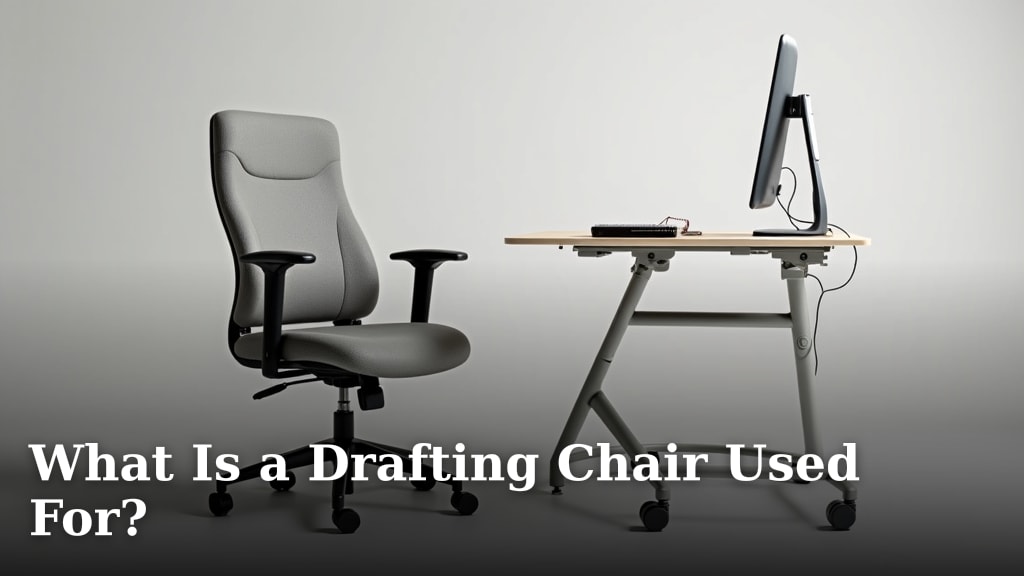
A drafting chair is a specialized seat designed for tasks requiring extended periods of sitting at a high desk or drafting table. Its primary use is to provide proper posture support and comfort when working on detailed projects, making it a staple in creative and technical fields. You’ll often find them in art studios, architectural firms, and workshops where precision is key.
Unlike standard office chairs, drafting chairs typically offer a higher adjustable height to match elevated workspaces. They also frequently include a footrest ring for added support. This design helps users maintain focus and reduces strain during long work sessions, ensuring you can work comfortably for hours on end. Many people find them essential for detailed drawing or design work.
- Drafting chairs are for high desks.
- They offer better posture support.
- Height and footrests are key features.
- They help reduce strain during long tasks.
- Ideal for artists, architects, and designers.
Let’s dive into why these chairs are so effective and what to look for when choosing one for your workspace.
Why You Need a Drafting Chair: Beyond Just Sitting
So, you’ve seen these tall chairs and wondered, “What’s the deal?” A drafting chair is really your best friend for high workspaces. Think about those standing desks or tall counters. Standard chairs just don’t cut it. They leave your arms awkwardly positioned. Or maybe they’re too low to be comfortable. That’s where a drafting chair steps in to save the day. It’s built to match these elevated setups perfectly. Your workspace height dictates your chair choice. And for anything high, a drafting chair is the answer.
Its main purpose is to keep you comfortable and supported. This is especially true when you’re working on detailed projects. Whether you’re an architect sketching blueprints, an artist bringing a canvas to life, or a designer crafting a new product, you need good posture. Poor posture can lead to aches and pains. It can even affect your focus. A drafting chair is designed to combat these issues. It helps you maintain a good stance for hours of productive work. You’ll find them in studios, workshops, and offices alike. Anywhere detailed work happens, you’ll likely see one.
The Core Functions of a Drafting Chair
Let’s break down what makes a drafting chair so special. It’s not just a fancy office chair. It has specific features designed for specific tasks and environments. The primary function is to provide ergonomic support at elevated workstations.
Supporting High Desks and Work Surfaces
This is the most obvious reason for a drafting chair’s existence. Many modern workspaces are moving towards standing desks or adjustable height desks. Some creative fields use tall workbenches or easels. These are often much higher than a standard desk. A regular office chair will simply be too short. You’d be hunched over, straining your neck and back. Drafting chairs are built with height adjustability in mind. They can often extend significantly higher than typical office chairs. This allows you to sit at eye level with your work. Your forearms can rest comfortably on the surface. It makes detailed work much more feasible and less taxing.
Enhancing Posture and Reducing Strain
Ever worked for hours and felt that familiar ache in your lower back? Standard chairs might not offer the right lumbar support. They might also encourage slouching. Drafting chairs are engineered to promote better posture. They often have a supportive backrest. This backrest is typically designed to cradle your spine. It encourages you to sit up straight without feeling rigid. Many also feature a waterfall seat edge. This design helps reduce pressure on the back of your legs. This improves circulation. Keeping your body in a good alignment is key for preventing fatigue. Many experts emphasize good posture for long-term health (CDC). Drafting chairs are engineered to promote better posture, and a drafting chair with lumbar support is key for this.
Providing Foot Support with a Footrest Ring
When you’re sitting at a higher elevation, your feet might not reach the floor comfortably. This can cause strain. Your legs might dangle. Or you might find yourself tucking your feet under the chair. A drafting chair usually comes with a built-in footrest ring. This circular bar is positioned around the chair’s base. It provides a sturdy place for your feet to rest. This takes the pressure off your legs and lower back. It helps you maintain a stable and comfortable position. Having your feet supported allows your body to relax more. It makes those long hours feel much shorter. It’s like giving your legs a little perch.
Improving Focus and Productivity
Think about it: if you’re constantly shifting because you’re uncomfortable, you’re losing focus. A drafting chair helps minimize distractions from physical discomfort. When your body is properly supported and comfortable, your mind is free to concentrate. You can stay absorbed in your task. This is vital for detailed work. Whether you’re fine-tuning a design, painting a portrait, or coding complex software, concentration is king. Research shows that ergonomic setups can boost productivity (National Institutes of Health). By reducing physical distractions, a drafting chair helps you get more done. It’s an investment in your workflow.
Who Benefits Most from a Drafting Chair?
While anyone can appreciate a comfortable seat, certain professionals and hobbyists truly shine with a drafting chair. Their specific needs align perfectly with what these chairs offer.
Artists and Illustrators
Artists often work at easels or drafting tables for extended periods. They need to maintain a stable position. They need to see their work from a comfortable height. A drafting chair allows them to get close to their canvas or drawing board. It provides the support needed for precise movements. The footrest ensures stability while they’re leaning in to add fine details. Many artists found that switching to a drafting chair significantly reduced shoulder and neck pain.
Architects and Engineers
These professionals spend countless hours poring over blueprints and technical drawings. They work at large drafting tables. Precision is non-negotiable. A drafting chair provides the ergonomic support necessary for long sessions. It helps maintain good posture while they review complex plans. This prevents the physical strain that can come with detailed, seated work. They need to be comfortable to think clearly and accurately.
Graphic Designers and Digital Artists
Even in the digital age, many designers prefer working at elevated stations. This might be a large monitor setup or a drawing tablet on a stand. A drafting chair allows them to sit at the optimal height. It ensures their arms are at a good angle for drawing or using a mouse. This reduces the risk of repetitive strain injuries. Comfort is key for creative flow. Many digital artists report less eye strain and better focus with these chairs.
Craftspeople and Hobbyists
Anyone who enjoys detailed crafting at a high bench can benefit. This includes jewelry makers, model builders, and even certain types of sewing or repair work. If your hobby involves intricate details and requires you to be seated at a higher level, a drafting chair can transform your experience. It makes your passion more enjoyable and less physically demanding.
Key Features to Look For in a Drafting Chair
Not all drafting chairs are created equal. When you’re choosing one, keep these important features in mind. They will help ensure you get the right chair for your needs.
Adjustable Height Range
This is arguably the most critical feature. You need to ensure the chair can go high enough for your specific desk or table. Check the minimum and maximum height settings. Make sure they align with your workspace dimensions. A pneumatic lift is common and allows for smooth adjustments. You want a wide range to accommodate different tasks or desk heights.
Seat and Backrest Comfort
Look for padding that is firm but comfortable. You don’t want something too soft that will compress over time. The backrest should provide good lumbar support. Some chairs have adjustable backrests. This allows you to fine-tune the position. The seat shape is also important. A contoured seat can be more comfortable for longer periods. Many guidelines suggest seats that are at least 2 inches thick for adequate cushioning (Occupational Safety and Health Administration).
Footrest Quality and Position
The footrest ring should be sturdy and comfortable. It should be positioned at a height that allows your feet to rest naturally. Some rings are adjustable. This is a great feature for finding the perfect fit. Ensure the material is durable and doesn’t feel slippery. Your feet need a secure place to rest.
Durability and Build Quality
You’ll be spending a lot of time in this chair. It needs to be built to last. Look for sturdy materials in the base and frame. Check reviews for comments on durability. A five-star base is standard and provides good stability. The upholstery should be tough and easy to clean, especially if you work with messy materials.
Mobility and Swivel Function
Most drafting chairs have casters for easy movement. Ensure the casters are suitable for your flooring. Some are designed for carpet, others for hard floors. A smooth swivel function is also important. It allows you to turn and reach different areas of your workspace without straining. You want to move freely and efficiently.
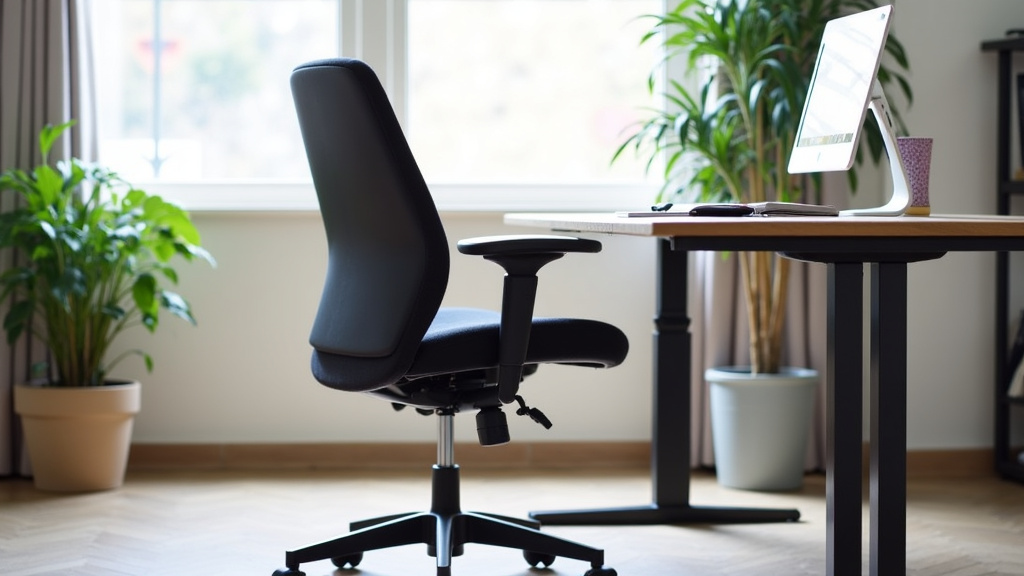
Drafting Chair vs. Standard Office Chair: What’s the Difference?
It’s easy to think of them as interchangeable, but they serve different purposes. Here’s a quick look at how they stack up:
| Feature | Drafting Chair | Standard Office Chair |
|---|---|---|
| Primary Use | Elevated workstations (drafting tables, tall counters) | Standard height desks and tables |
| Height Adjustment | Extends significantly higher | Moderate height adjustment |
| Footrest | Typically includes a footrest ring | Rarely includes a footrest |
| Posture Support | Designed for upright posture at height | Varies, often focused on general comfort |
| Stability | Often designed for stability at higher positions | Designed for stability at standard desk height |
Is a Drafting Chair Right for Your Workspace?
Consider these points when making your decision:
- Your Desk Height: Is it significantly higher than a standard desk?
- Your Work Type: Do you do detailed work requiring precision?
- Your Comfort Needs: Do you often experience discomfort with standard seating?
- Your Workspace Setup: Do you have limited space where a standard chair might not fit well?
- Your Budget: Drafting chairs can range in price, so assess what fits your financial plan.
If you answered yes to a few of these, a drafting chair might be a game-changer for you. It’s more than just a seat; it’s a tool designed to enhance your work experience and well-being.
Conclusion
You’ve seen how a drafting chair is more than just a tall seat. It’s a specialized tool designed for specific needs. From supporting high desks to promoting better posture and reducing strain, it enhances your comfort. This focus on ergonomics helps you stay comfortable and focused, boosting your productivity. If you work at an elevated station or perform detailed tasks, considering a drafting chair is a smart move for your well-being and your workflow. Take a look at your current workspace setup and see if this chair could make a real difference for you.
Frequently Asked Questions
Can I use a drafting chair at a regular desk?
While drafting chairs are designed for higher workspaces, you can technically use one at a standard desk. However, you might find it’s too tall, even at its lowest setting. This could lead to discomfort and an awkward working position. It’s best suited for desks that are taller than average.
Are drafting chairs good for back pain?
Yes, many people with back pain find drafting chairs beneficial. Their design encourages upright posture and provides lumbar support. The footrest also helps distribute weight evenly, which can alleviate pressure on your lower back. If you experience discomfort with standard seating, a drafting chair might offer relief.
How do I know if I need a footrest on my chair?
You likely need a footrest if your feet don’t rest comfortably on the floor when you’re seated at your workspace. If your legs dangle or you have to tuck your feet, a footrest is essential. It helps maintain proper posture and reduces strain on your legs and back.
What’s the difference between a drafting chair and a stool?
A drafting chair typically has a backrest and often armrests, offering more support than a stool. Stools are usually backless and may not have adjustable height or a footrest. Drafting chairs are designed for longer periods of focused work, providing greater ergonomic benefits.
Can I use a drafting chair for gaming?
While some gamers might appreciate the height and support, gaming chairs are generally designed differently. Gaming chairs often focus on features like reclining, vibration, and specific ergonomic contours for gaming postures. A drafting chair is optimized for tasks requiring an elevated, upright position at a work surface.
