
What Is a Kneeling Chair Good For?
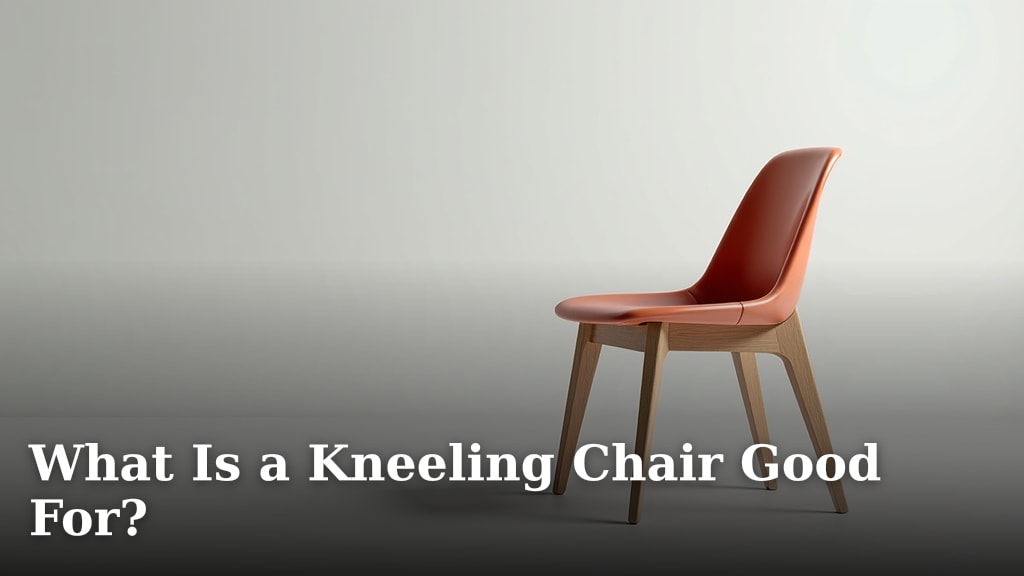
A kneeling chair is good for improving posture and reducing lower back pain by encouraging a more natural spinal alignment. It works by shifting your weight to your shins, which opens up your hip angle. This can make sitting more comfortable for extended periods. Many people find relief from discomfort when using one.
This type of chair is designed to work with your body. It offers an alternative to traditional office chairs that can strain your back. If you spend a lot of time at a desk, it might be a helpful addition to your workspace. It promotes a healthy sitting posture throughout the day.
- Main benefit: Better posture, less back pain.
- How it works: Shifts weight to shins, opens hips.
- Who it’s for: Desk workers, those with back discomfort.
- Key takeaway: Offers a more natural way to sit.
Let’s dive into how a kneeling chair can benefit you and how to make the most of it.
You’re probably wondering if a kneeling chair is just a trend or if it can actually help you feel better. The short answer is, yes, it can be very good for you. It’s designed to encourage a different way of sitting. This can make a big difference in how your body feels, especially after a long day at your desk.
How a Kneeling Chair Helps Your Body
A kneeling chair helps by changing your sitting posture. It shifts your weight forward. This means less pressure on your tailbone. It also opens up your hip angle more than a standard chair. This can reduce strain on your lower back.
Encouraging Natural Spinal Alignment
Traditional chairs often make you slouch. This compresses your spine. A kneeling chair helps you sit up straighter. It encourages your spine to stay in a more natural ‘S’ curve. This is a position many experts recommend for good posture (Mayo Clinic). When your spine is aligned, your muscles don’t have to work as hard to hold you up.
Reducing Lower Back Pain
Lower back pain is incredibly common for desk workers. A kneeling chair can offer relief. By shifting weight to your shins, it takes pressure off your lumbar spine. This can be a big win if you often feel stiff or sore after sitting. Many users report a noticeable decrease in back discomfort after switching.
Opening Up Your Hip Angle
When you sit in a regular chair, your knees are usually higher than your hips. This creates a sharp angle at your hips. This position can shorten your hip flexors over time. A kneeling chair allows your hips to be more open. Your knees are typically lower than your hips. This promotes better circulation and less tightness in your hips and thighs. Many physical therapists suggest this open hip position for better comfort and mobility (Cleveland Clinic).
Benefits Beyond Just Posture
The advantages of a kneeling chair go beyond just sitting up straighter. It can influence your energy levels and even your breathing. Let’s look at some of these other helpful aspects.
Increased Core Engagement
Because a kneeling chair requires you to balance more actively, it gently engages your core muscles. You don’t need to be doing crunches, but your abdominal and back muscles work a little harder to keep you stable. This subtle engagement can help strengthen these muscles over time. Think of it like a gentle workout while you work!
Improved Blood Circulation
The open hip position we talked about can also help with blood flow. When your legs are positioned more naturally, it’s easier for blood to circulate. This can reduce swelling in your legs and feet. Better circulation means your body gets more oxygen and nutrients. This can help you feel more alert throughout the day.
Potential for More Movement
Kneeling chairs often make it easier to shift your weight. You can move your legs and torso more freely. This encourages subtle movements throughout the day. Frequent, small movements are actually very good for your body. They prevent stiffness. They keep your joints lubricated.
Who Can Benefit Most from a Kneeling Chair?
While many people can find a kneeling chair helpful, some groups might see even greater advantages. If you check any of these boxes, a kneeling chair might be a great addition to your workspace.
Individuals with Lower Back Issues
If you’ve struggled with chronic lower back pain, a kneeling chair can be a relief. Many users find it helps alleviate pressure points. It offers a gentler way to sit for extended periods. It’s not a cure-all, but it can be a significant comfort aid. Always consult with your doctor or a physical therapist for persistent pain.
People Who Sit for Long Hours
Are you a student, a programmer, a writer, or anyone who spends most of your workday at a desk? If so, you’re likely familiar with the aches and pains that come with prolonged sitting. A kneeling chair offers a way to make that time more comfortable. It encourages better habits. It can help prevent the long-term effects of poor posture.
Those Seeking Better Ergonomics
If you’re focused on creating an ergonomic workspace, a kneeling chair fits right in. It’s a piece of equipment that actively works with your body’s natural structure. It’s an alternative to static sitting positions. It can help you achieve a more balanced and healthy setup.
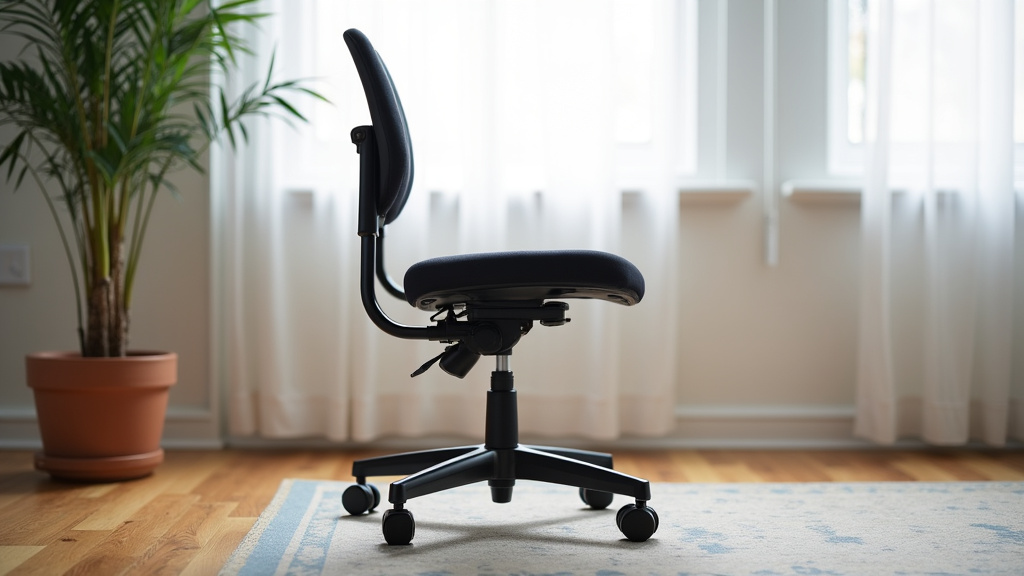
Making the Most of Your Kneeling Chair
Switching to a kneeling chair can feel different at first. Your body might need time to adjust. Here are some tips to help you get the best results:
- Ease into it: Don’t expect to sit in it all day on day one. Start with short periods, maybe 30 minutes at a time. Gradually increase the duration as you feel more comfortable.
- Adjust it correctly: Make sure the chair is at the right height for you. Your knees should be comfortably supported on the pads. Your thighs should be at a slight downward angle.
- Listen to your body: If something feels uncomfortable, take a break. You might need to adjust the chair or your position.
- Don’t forget to move: Even in a kneeling chair, it’s important to stand up and move around every hour or so.
- Consider your desk height: Ensure your desk is at a height that works with the kneeling chair. You should be able to type comfortably with your wrists straight.
Many people find that a combination of sitting styles works best. You might alternate between a kneeling chair and a standing desk, or even a regular chair. The goal is variety and good posture.
| Feature | Kneeling Chair | Traditional Chair |
|---|---|---|
| Weight Distribution | On shins and buttocks | Primarily on buttocks and lower back |
| Spinal Posture | Encourages upright, natural curve | Often leads to slouching |
| Hip Angle | Open (knees below hips) | Closed (knees at or above hips) |
| Core Engagement | Gentle, active stabilization | Minimal to none |
| Comfort for Long Periods | Can improve, especially for back pain | Can lead to stiffness and pain |
Using a kneeling chair is about finding a more natural way for your body to be supported while you work. It encourages better habits. It can help reduce common aches and pains. Give it a try, and see how it feels for you!
Conclusion
You’ve learned that a kneeling chair is more than just a seating option; it’s a tool for better well-being at your desk. By shifting your weight and opening your hips, it actively works to improve your posture and ease that nagging lower back pain. It gently engages your core and can even boost circulation, making long hours feel less draining. Don’t just take our word for it – if you spend many hours seated or struggle with discomfort, consider trying one. Your body might just thank you for the change.
Frequently Asked Questions
Can I use a kneeling chair all day?
It’s best to ease into using a kneeling chair gradually. Start with short periods, perhaps 30 minutes at a time, and slowly increase the duration as your body adjusts. Listening to your body and taking breaks is key.
Will a kneeling chair help with neck pain?
While a kneeling chair primarily targets lower back and hip discomfort by improving posture, better spinal alignment can indirectly help with neck pain. When your back is properly supported, your head and neck are more likely to sit in a neutral position, reducing strain.
Is a kneeling chair good for weight loss?
A kneeling chair is not designed for weight loss. While it does engage your core muscles gently, this is for stabilization, not a significant calorie burn. Its main benefits are posture improvement and pain reduction.
How do I know if my kneeling chair is adjusted correctly?
Your knees should rest comfortably on the padded supports, and your thighs should be at a slight downward angle from your hips. Ensure your desk height allows you to type with straight wrists and comfortable arm positioning.
Can I switch between a kneeling chair and a regular chair easily?
Yes, many people find that alternating between a kneeling chair, a standing desk, or even a traditional chair throughout the day is the most effective approach. This variety prevents stiffness and provides different types of support.
