
Why Does My Office Chair Feel Too Small?
Your office chair might feel too small because of its seat depth, seat width, or overall ergonomic design not fitting your body. Many chairs are built with a one-size-fits-most approach, which simply doesn’t work for everyone. You deserve a chair that supports you comfortably all day long.
Feeling cramped in your chair can lead to discomfort and even pain. We’ve found that common culprits include a backrest that’s too short, armrests that are too low, or a seat that doesn’t allow your legs to rest properly. It’s frustrating when your workspace doesn’t feel like it was made for you.
- Seat depth and width are key factors.
- Backrest height and armrest positioning matter too.
- Your personal body dimensions are the biggest influence.
- Office chairs aren’t always designed for every body type. Office chairs aren’t always designed for every body type, so consider petite office chairs.
Let’s get to the bottom of why your office chair feels like it’s shrinking and what you can do about it.
Understanding Why Your Office Chair Feels Too Small
It’s a common frustration. You sit down, expecting comfort, but your office chair feels like it’s actively trying to give you a hug that’s way too tight. This feeling of being cramped can happen for many reasons, and it’s usually not because the chair is literally shrinking.
We found that the core issue often lies in the chair’s dimensions not matching your personal body shape and size. Many chairs are designed with a “standard” user in mind, but as we all know, there’s no such thing as a truly standard human body!
Key Dimensions That Dictate Chair Fit
When your office chair feels too small, it’s often due to a few specific measurements. Getting these right can make all the difference in your comfort and productivity.
Seat Depth: The Space Behind Your Knees
Seat depth refers to the distance from the front edge of the seat to the backrest. If your chair’s seat is too deep, your legs will be pushed forward, leaving a gap behind your knees. This can cause pressure points and reduce circulation.
Conversely, if the seat is too shallow, it won’t provide enough support for your thighs. You might feel like you’re constantly sliding forward. We found that a good rule of thumb is to have about two to four fingers’ width of space between the front edge of the seat and the back of your knees when your back is against the backrest. This allows for proper blood flow and avoids that “perching” feeling.
Seat Width: Room to Breathe (and Sit)
Seat width is the measurement from one armrest to the other, or simply the usable space across the seat itself. If the seat feels too narrow, your hips and thighs won’t be properly supported. You might feel like you’re spilling over the edges.
This lack of support can lead to discomfort and even encourage you to sit in unhealthy, twisted postures. Many ergonomic guidelines suggest that your seat should be wide enough to comfortably accommodate your hips and allow for a small amount of wiggle room. We’ve found that for most people, a seat width of around 18 to 20 inches is generally sufficient, but personal preference plays a big role.
Backrest Height and Support
The backrest is crucial for lumbar support and overall comfort. If your chair’s backrest is too short, it might not reach the curve of your lower back (lumbar spine). This means your spine isn’t getting the support it needs to maintain its natural S-shape.
When the backrest doesn’t support your lumbar region, you might find yourself slouching or leaning unnaturally to find comfort. This can lead to back pain and fatigue. Research from occupational health experts often highlights the importance of adjustable lumbar support, which can be moved up or down to match the unique curve of your spine.
Armrest Position and Support
Armrests are there to help relieve pressure on your shoulders and neck. If your armrests are too high, they can force your shoulders to hunch up. This creates tension in your upper back and neck muscles.
On the flip side, if the armrests are too low, they won’t provide adequate support. Your arms might feel like they’re dangling, leading to strain. Ideally, your armrests should allow your elbows to rest at about a 90-degree angle when your shoulders are relaxed. Many modern office chairs offer adjustable armrests in height, width, and even pivot, allowing for a more customized fit.
Your Body Dimensions Matter Most
Let’s face it, we come in all shapes and sizes. What works for one person might be completely unsuitable for another. Your personal body dimensions are the biggest influence on whether an office chair feels right or wrong.
Height and Leg Length
Your overall height and the length of your legs significantly impact how a chair fits. Taller individuals, for example, may find that standard seat depths are too short and backrests are too low. People with shorter legs might struggle with seats that are too deep or chair heights that don’t allow their feet to rest flat on the floor.
Many chairs come with a recommended user height range. If you fall outside this range, it’s a strong indicator that the chair might not be the best fit. We found that looking at the chair’s specifications for maximum and minimum seat height is a good starting point for taller or shorter users.
Weight and Build
The weight capacity of a chair is an important factor, but so is the overall build and proportions of your body. Even if you are within the weight limit, a chair designed for a very slender build might feel constricting. Its frame or armrests might feel too narrow, or the seat might not offer enough contouring to support your shape comfortably.
We found that many manufacturers provide dimensions for their chairs, including the distance between armrests and the overall seat width. Comparing these to your own comfortable sitting width can be a helpful exercise. Sometimes, a chair with a wider seat or adjustable armrests can make a world of difference for those with a larger frame.
Common Chair Design Flaws Contributing to Discomfort
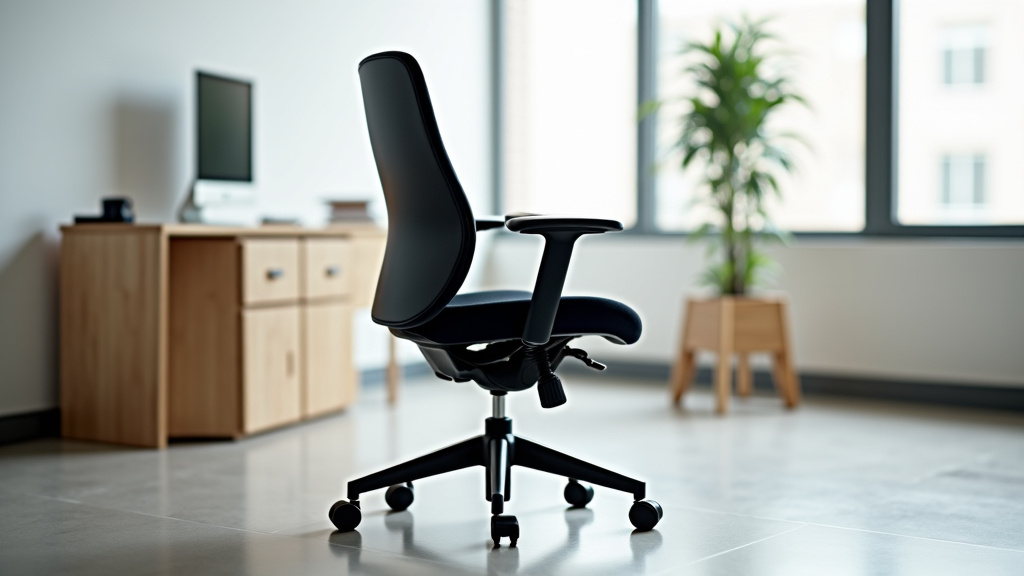
Beyond just dimensions, the actual design and adjustability of a chair can play a huge role in how it feels. Some chairs are simply not built with ergonomics in mind.
Fixed vs. Adjustable Features
Chairs with many fixed, non-adjustable parts are often the culprits. Think about armrests that can’t be moved, or a lumbar support that’s just a permanent curve in the plastic. If these fixed elements don’t align with your body, you’re out of luck.
Adjustability is key. The ability to change seat height, depth, backrest angle, and armrest position allows you to tailor the chair to your specific needs. We found that chairs offering at least a few of these adjustable features tend to be more comfortable for a wider range of users.
Lumbar Support Issues
As mentioned, poor or absent lumbar support is a major pain point. Some chairs have a prominent bulge that doesn’t match your spine’s curve, feeling more like a rock digging into your back than helpful support. Others have virtually no support at all, leaving your lower back unsupported.
The ideal lumbar support should feel gentle and well-placed, encouraging a healthy posture without being intrusive. Many experts recommend chairs with adjustable lumbar support systems that can be customized to your specific needs (Cleveland Clinic).
Seat Pan Shape and Material
The shape of the seat pan itself can contribute to discomfort. A seat that is too flat might not offer enough side-to-side support, making you feel like you’re sliding. A seat with a very pronounced waterfall edge (the rounded front) can sometimes press uncomfortably into the back of your thighs if it’s too stiff or too low.
The material also plays a role. Some foam cushions can flatten out quickly, losing their support over time. Others might be too firm or too soft. We found that chairs with breathable mesh or high-density foam often provide a good balance of comfort and support for extended sitting.
When to Consider a New Chair: A Quick Checklist
If you’re nodding along to many of these points, it might be time to think about a different chair. Here’s a quick way to assess your current situation:
- Do your feet rest flat on the floor when your back is against the backrest?
- Is there about 2-4 fingers’ width of space between the front of the seat and the back of your knees?
- Does the backrest properly support the curve of your lower back?
- Are your shoulders relaxed when your arms rest on the armrests?
- Do you feel pinched or too narrow in the seat or between the armrests?
- Does the chair feel like it’s actively causing you discomfort or pain after sitting for a while?
If you answered “no” to several of these questions, your current chair might be the source of your discomfort, and exploring alternatives could lead to a much more comfortable and productive workday.
Conclusion
Feeling like your office chair is too small is a common problem, often stemming from a mismatch between its dimensions and your unique body. We’ve seen how factors like seat depth, width, backrest height, and armrest positioning all play a part in your daily comfort. If your chair isn’t supporting you properly, it’s not just an annoyance—it can impact your well-being and productivity.
Don’t settle for discomfort. Take a moment to assess your current chair against your body’s needs. If it’s consistently making you feel cramped or causing pain, it’s time to explore options that are built for your perfect fit.
Frequently Asked Questions
Can a chair that’s too small cause actual physical pain?
Yes, absolutely. A chair that doesn’t fit your body can lead to poor posture, putting strain on your back, neck, and shoulders. We found that persistent discomfort or pain is a clear sign that your chair’s dimensions aren’t right for you.
Are there office chairs specifically designed for taller or shorter people?
Yes, many manufacturers offer chairs with extended height ranges or adjustable features tailored for taller or shorter individuals. You’ll want to look for chairs with adjustable seat height, depth, and backrests that can accommodate your specific leg and torso length.
What’s the best way to measure my body for chair compatibility?
You can measure the width of your hips and thighs comfortably when seated and compare that to the chair’s seat width. For seat depth, measure from the back of your knee to the front edge of your current seat and ensure a new chair allows for 2-4 fingers’ space there.
Is it better to have a wider seat even if I’m not considered “large-framed”?
A slightly wider seat can offer more freedom of movement and comfort for many people, even if you don’t fall outside standard sizing. We found that having a few inches of space on either side of your hips allows for better posture and avoids feeling restricted.
How can I tell if my armrests are at the correct height?
Your armrests should allow your elbows to rest at roughly a 90-degree angle when your shoulders are relaxed. If your shoulders are hunched up or your arms feel unsupported, the armrest height is likely not correct for you.
