
Why Does PU Leather Peel on Office Chairs?
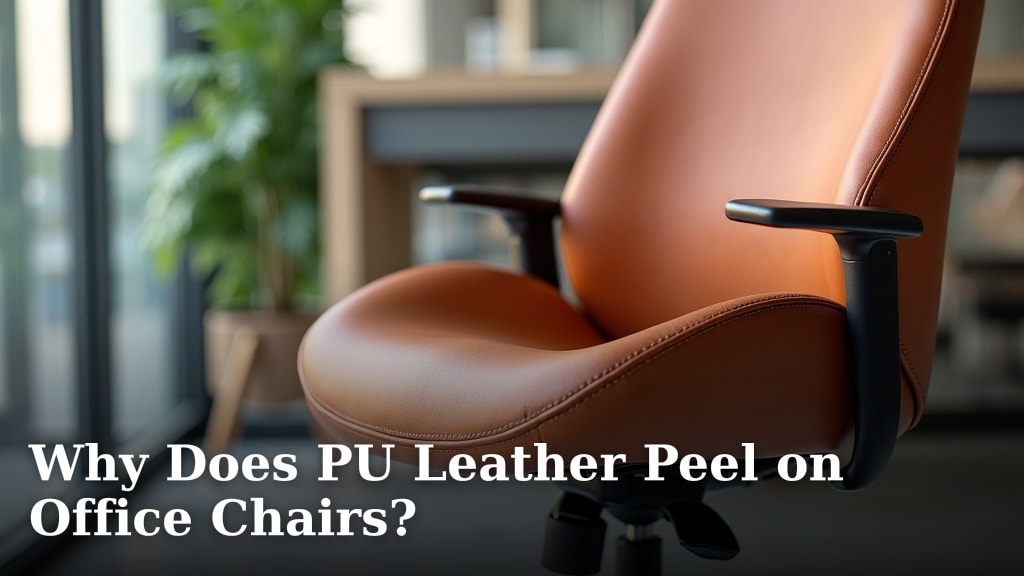
PU leather office chairs peel mainly due to wear and tear, exposure to UV light, and improper cleaning methods. This synthetic material breaks down over time, causing the top coating to crack and flake off, a common issue for many chair owners.
You might notice this peeling after just a few years, even with careful use. The plasticizer that makes PU leather flexible can migrate to the surface. This process is often accelerated by heat and humidity, leading to that frustrating peeling effect you’re seeing.
- PU leather peels from daily use and friction.
- Sunlight (UV rays) degrades the material over time.
- Harsh cleaners or excessive moisture can damage the coating.
- The plasticizers in PU leather can break down, causing flaking.
We understand how annoying it is when your comfy office chair starts looking worn. Let’s dive into why this happens and what you can do about it.
Understanding Why PU Leather Office Chairs Start to Peel
It’s incredibly common to see PU leather office chairs develop peeling spots. This isn’t usually a sign of neglect. PU leather, a popular synthetic material, is essentially a fabric base coated with a layer of polyurethane. This coating is what gives it that leathery look and feel. Over time, this coating can break down, leading to the frustrating peeling you’re experiencing. We’ll break down the primary culprits.
The Science Behind PU Leather Degradation
Think of PU leather like a protective skin on your chair. This “skin” is made from plastics and other chemicals. These components are designed to be flexible and durable, but they aren’t immune to the effects of time and the environment. Many experts explain that PU leather is essentially a textile that has been treated with polyurethane. This treatment provides the aesthetic appeal of real leather without the cost. However, this synthetic finish has its own set of vulnerabilities.
The Role of Plasticizers
One key factor in peeling is the presence of plasticizers. These are additives mixed into the polyurethane to make the material soft and pliable. Over time, these plasticizers can migrate to the surface of the material. This migration process is like water finding its way to the top of a swimming pool. When the plasticizers reach the surface, they can become brittle and break down. This often leads to the coating cracking and flaking off, which is the peeling effect you observe.
Environmental Factors Play a Big Role
Several environmental elements can accelerate the breakdown of PU leather. Sunlight, or more specifically, the ultraviolet (UV) rays from the sun, are a major enemy. UV radiation can degrade the polymer structure of the polyurethane coating. This weakens the material, making it more prone to cracking. Heat and humidity also contribute to this degradation. High temperatures can make the plasticizers more mobile, speeding up their migration to the surface. High humidity can also affect the chemical bonds within the material.
Daily Wear and Tear: The Unsung Hero of Peeling
Your office chair isn’t just sitting there; it’s in use. Every time you sit down, get up, or shift your weight, you’re causing friction. This constant rubbing and stress on the PU leather surface wear down the protective coating. Think of it like constantly rubbing a pencil eraser; eventually, it wears away. The arms, seat, and backrest areas typically show the most wear because they experience the most direct contact and friction.
Friction and Abrasion
The most common cause of peeling is simple friction. Clothes, pets, or even just the movement of your body against the chair create abrasive forces. These forces gradually break down the outer layer of the PU coating. Over months and years, this seemingly minor wear adds up. It creates microscopic cracks that eventually lead to larger peeling sections.
Stress Points and Flexing
Areas of the chair that bend or flex frequently are also susceptible. The seams, the edges of the seat, and where the backrest meets the seat are all stress points. Every time you lean back or adjust your position, these areas are put under tension. This repeated flexing can cause the PU coating to lose its integrity and begin to peel, especially if it has already been weakened by other factors.
Improper Care and Cleaning: A Common Pitfall
How you clean and maintain your PU leather chair can significantly impact its lifespan. Many household cleaning products are too harsh for synthetic leather. Using the wrong cleaning agents or techniques can strip away protective layers or damage the material’s structure, leading to premature peeling. It’s crucial to be gentle and use appropriate products. Many owners don’t realize that their cleaning habits are actually harming their chairs.
The Danger of Harsh Chemicals
Avoid using abrasive cleaners, solvents, or bleach on your PU leather chair. These chemicals can break down the polyurethane coating rapidly. They can strip away the finish, dry out the material, and even dissolve the plasticizers. This leaves the surface vulnerable and prone to cracking and peeling. Always check the manufacturer’s cleaning recommendations before using any product.
Excessive Moisture and Heat
When cleaning, using too much water can be detrimental. PU leather is not as porous as real leather, so it doesn’t absorb moisture in the same way. Excess water can seep into the fabric backing or break down the adhesive holding the coating to the fabric. Similarly, using hot water or heat-drying methods can also damage the material. Heat can accelerate the degradation process we discussed earlier.
Recommended Cleaning Practices
For routine cleaning, a soft, damp cloth is often all you need. For tougher spots, use a mild soap solution (like a tiny amount of dish soap mixed with water). Always wipe the area dry immediately afterward with a clean, dry cloth. For deep cleaning, consider using a cleaner specifically designed for PU leather or synthetic upholstery. We found that many manufacturers recommend a gentle approach, focusing on wiping rather than scrubbing.
| Factor | Description | Impact on PU Leather |
|---|---|---|
| Wear and Tear | Daily use, friction, and movement | Gradual breakdown of the surface coating, creating micro-tears. |
| UV Exposure | Direct sunlight | Degrades the polyurethane, making it brittle and prone to cracking. |
| Heat & Humidity | High ambient temperatures and moisture | Accelerates plasticizer migration and weakens material bonds. |
| Chemical Cleaners | Harsh soaps, solvents, bleach | Strips the protective coating, dries out the material, and causes damage. |
| Excess Moisture | Over-wetting during cleaning | Can damage the adhesive and fabric backing, leading to delamination. |
| Age | Natural material degradation over time | Plasticizers break down, and the coating naturally loses flexibility. |
The Lifespan of PU Leather Chairs
PU leather chairs are often a budget-friendly option. While they can look great for a while, their lifespan is generally shorter than chairs made from genuine leather or high-quality fabric. Many experts in material science suggest that PU leather is designed for a certain service life, after which degradation is expected. This is part of why they are more affordable. You’re investing in a material that offers a good aesthetic for a period, but it’s not typically built for decades of heavy use without showing signs of wear.
Understanding Material Differences
It’s helpful to understand that PU leather is fundamentally different from real leather. Real leather is a natural material that can often be repaired and conditioned to last for many years. PU leather, being a synthetic product, has a different aging process. The polyurethane layer is a coating, and like any coating, it can eventually wear off or degrade. This is why you might see peeling on a PU leather chair after just 2-5 years of regular use, whereas a real leather chair might last 10-20 years or more with proper care.
How to Potentially Extend the Life of Your PU Leather Chair
While you can’t entirely stop the natural aging process of PU leather, there are steps you can take to slow down the peeling and extend the useful life of your chair. Being mindful of its environment and how you care for it makes a big difference. Think of it like protecting a good pair of shoes from the rain. A little care goes a long way.
Strategic Placement is Key
Try to position your chair away from direct sunlight. If your desk is near a window, consider using blinds or curtains to block UV rays. Also, avoid placing your chair near heat sources like radiators or vents. Consistent, moderate temperatures are best for preserving the material.
Gentle Cleaning Routine
Stick to the gentle cleaning methods we discussed. A quick wipe-down with a damp cloth should be part of your regular routine. Address spills or stains immediately to prevent them from setting in or requiring harsher cleaning methods. This prevents issues before they start.
Avoid Excess Weight and Friction
Be mindful of what you place on your chair when not in use. Avoid placing sharp objects or heavy items that could create pressure points. If pets are a concern, consider a protective cover for the chair, especially in areas prone to scratching or shedding.
Consider Protective Sprays (with caution)
Some products are marketed as PU leather protectants. Research these thoroughly. A good quality spray might offer a light barrier against UV rays or minor spills. However, always test on an inconspicuous area first. Ensure the product is specifically designed for synthetic leather and doesn’t contain harsh chemicals that could do more harm than good. We found that a simple microfiber cloth often works just as well without the risk.
Quick Checklist for Chair Care:
- Keep out of direct sunlight.
- Avoid placing near heat sources.
- Wipe down regularly with a damp cloth.
- Address spills immediately.
- Use only mild soap and water for cleaning.
- Consider protective covers if you have pets. Consider a protective cover for the chair if pets are a concern.
Conclusion
So, you’ve learned that your PU leather office chair peels primarily due to daily wear, environmental factors like UV rays and heat, and improper cleaning. The plasticizers in the material can break down, leading to that frustrating flaking. While PU leather offers affordability, its synthetic nature means it has a shorter lifespan than genuine leather. To get the most out of your chair, keep it out of direct sunlight, clean it gently with a damp cloth, and avoid harsh chemicals. Taking these simple steps can help you slow down the peeling process and enjoy your chair for longer.
Frequently Asked Questions
Can I repair peeling PU leather on my office chair?
Minor peeling can sometimes be temporarily addressed with specific PU leather repair kits or fabric glue. However, extensive peeling is very difficult to repair effectively. For significant damage, replacing the chair or a professional reupholstery might be your best options.
How often should I clean my PU leather office chair?
A quick wipe-down with a damp microfiber cloth once a week is usually sufficient for general maintenance. Address spills immediately to prevent them from setting in. A more thorough cleaning with a mild soap solution can be done monthly or as needed.
Is it better to buy a real leather chair if I want it to last?
Generally, yes. Real leather is a natural material that is more durable and can often be repaired or conditioned to last for decades. PU leather is a synthetic alternative that offers a similar look at a lower cost but typically has a much shorter lifespan before showing signs of wear like peeling.
What’s the lifespan of a typical PU leather office chair?
The lifespan of a PU leather office chair can vary greatly depending on usage and care. However, many experts suggest that you can expect noticeable peeling and wear to appear within 2 to 5 years of regular use.
Can pet claws cause PU leather to peel?
Yes, absolutely. Pet claws can easily scratch and tear the surface of PU leather, which can initiate peeling. If you have pets, using a protective cover on your chair is highly recommended to prevent this type of damage.
