How to Make an Office Chair More Comfortable?
To make an office chair more comfortable, focus on adjusting its settings to support your natural posture, adding ergonomic accessories like a lumbar pillow, and ensuring regular movement breaks. We found that even small changes can greatly improve your comfort during long work sessions.
An uncomfortable office chair can lead to pain and distraction, impacting your productivity and overall well-being. By optimizing your setup, you can turn a basic chair into a much more supportive and body-friendly workstation. You deserve to feel good while you work, don’t you?
- Adjustments are key for proper posture.
- Add support with cushions and footrests.
- Take short, frequent breaks.
- Consider a chair upgrade if needed.
- Personalize your workspace for comfort.
Let’s dive into practical tips and tricks that will help you transform your office chair into a comfortable haven, starting today.
Optimizing Your Office Chair for Maximum Comfort
Transforming your office chair into a comfort zone doesn’t require a brand-new chair. You can make significant improvements with smart adjustments and a few helpful accessories.
Let’s refine your current setup. Start by understanding what your body needs to feel good for hours at a time, and then we’ll tackle the how-to.
Proper Chair Adjustments for Ergonomic Support
Your office chair has secret powers! Many chairs offer more adjustments than people realize. Learning to use them properly can prevent strain and boost your comfort (Mayo Clinic).
Think of your chair as a custom-fitted suit. It should hug your body in all the right places.
Setting the Correct Seat Height
The first adjustment you should make is your seat height. Your feet need to be flat on the floor, or on a footrest, with your knees forming about a 90-degree angle. This keeps pressure off your lower back and thighs.
If your feet dangle, your circulation can suffer, leading to discomfort. If your knees are much higher than your hips, it can push your pelvis into an unhelpful posture.
Try sitting tall. Adjust the lever until your thighs are roughly parallel to the floor. It really makes a difference!
Adjusting Backrest Tilt and Lumbar Support
Your chair’s backrest is crucial for lower back support. You want it to follow the natural curve of your spine, especially in your lumbar region (the small of your back).
Tilt the backrest so you’re sitting upright or slightly reclined. Aim for an angle between 100-110 degrees. Many modern chairs have a knob or lever to control the amount of lumbar support. Adjust it until it gently pushes into your lower back without feeling uncomfortable.
We found that even a slight adjustment here can prevent that aching feeling after a long day.
Optimizing Armrest Height and Position
Armrests are there to support your arms and shoulders, not to take over all your body weight. Your shoulders should be relaxed, not hunched up. Your elbows should rest comfortably at roughly a 90-degree angle when you’re typing.
Adjust the armrests so they are at the same height as your desk. This creates a supported pathway for your arms and wrists, reducing strain on your shoulders and neck.
Many chairs have armrests that move up, down, forward, backward, and even pivot. Play around until you find that sweet spot.
Enhancing Your Chair with Ergonomic Accessories
Sometimes, your chair needs a little help from its friends. Thoughtful accessories can transform an “okay” chair into a surprisingly comfortable one (Cleveland Clinic).
These additions can fill in gaps where your chair might be lacking, giving your body the support it craves.
Lumbar Support Pillows and Cushions
A lumbar support pillow is often the first thing people reach for. These cushions are designed to fit the curve of your lower back, maintaining its natural inward arch.
You can buy dedicated lumbar pillows, or even roll up a small towel and place it behind you. Experiment with different thicknesses and firmness levels to find what feels best for your body.
It helps prevent slouching and keeps your spine in a healthier alignment.
Seat Cushions for Pressure Relief
If your chair’s seat is too hard or worn out, a seat cushion can be a game-changer. These cushions relieve pressure points, especially on your tailbone and hips.
Look for memory foam, gel, or a combination of materials. We found that a good seat cushion can improve circulation and reduce numbness, especially during long stretches of sitting.
It’s like sitting on a cloud, but with proper support. Who wouldn’t want that?
Footrests for Lower Body Support
For many people, especially those who are shorter, a footrest is an underrated hero. It ensures your feet are flat and your knees are at the correct angle, even if your chair needs to be higher to reach your desk.
A footrest also allows for gentle movement, which can stimulate blood flow in your legs. Some footrests even rock or tilt, providing dynamic movement.
Don’t just dangle your feet; give them a solid foundation!
Practical Tips for Sustained Comfort and Well-being
Comfort isn’t just about your chair; it’s also about your habits. Your behavior throughout the day plays a huge role in how good (or bad) you feel.
Let’s build some healthy routines into your work life.
Taking Regular Movement Breaks
Even the most ergonomic chair can’t save you from the dangers of prolonged sitting. Regular movement breaks are essential (CDC).
Set a timer to remind you to stand up and stretch every 30-60 minutes. Get a glass of water, walk to a window, or do some simple stretches at your desk.
Your body loves to move. Breaking up sitting time helps with circulation, reduces stiffness, and can even boost your focus.
The Importance of Good Posture While Seated
All the adjustments in the world won’t matter if you’re not mindful of your posture. Think about how you’re sitting right now. Are your shoulders relaxed? Is your head balanced over your spine?
Imagine a string pulling gently from the top of your head, lengthening your spine. Keep your core gently engaged, and avoid slouching or leaning too far forward. We found that conscious effort a few times a day helps reinforce good habits.
Your body adapts to how you hold it. Guide it well!
Considering a Chair Upgrade: When is it Time?
Sometimes, despite your best efforts, your old chair just can’t keep up. If your chair is very old, broken, or simply lacks the necessary ergonomic features, it might be time for an upgrade.
A high-quality ergonomic chair is an investment in your health and productivity. Look for features like adjustable lumbar support, seat depth adjustment, and multiple tilt options.
Here’s a quick comparison of what to look for when considering an upgrade:
| Feature | Basic Chair | Ergonomic Chair |
|---|---|---|
| Seat Height | Often limited range | Wide, easy adjustment |
| Lumbar Support | Fixed, minimal or none | Adjustable height and depth |
| Armrests | Fixed, non-adjustable | Multi-directional (up/down, forward/back, pivot) |
| Backrest Tilt | Fixed or simple lock | Synchronous tilt, tension control, multiple lock positions |
| Seat Pan | Flat, hard | Contoured, often with depth adjustment |
Think about how many hours you spend in your chair. Isn’t your comfort worth it?
Your Personal Comfort Checklist
Here’s a quick list to help you remember the key steps to a more comfortable office chair experience:
- Adjust your seat height so feet are flat on the floor or footrest, and knees are at 90 degrees.
- Ensure your lower back is supported by the chair’s lumbar curve or an added pillow.
- Set armrests to support your elbows at 90 degrees, keeping shoulders relaxed.
- Take a standing or stretching break at least every hour to reset your body.
- Practice mindful posture: sit tall, shoulders back, head balanced.
- Consider a supportive footrest if your feet don’t reach the floor comfortably.
Conclusion
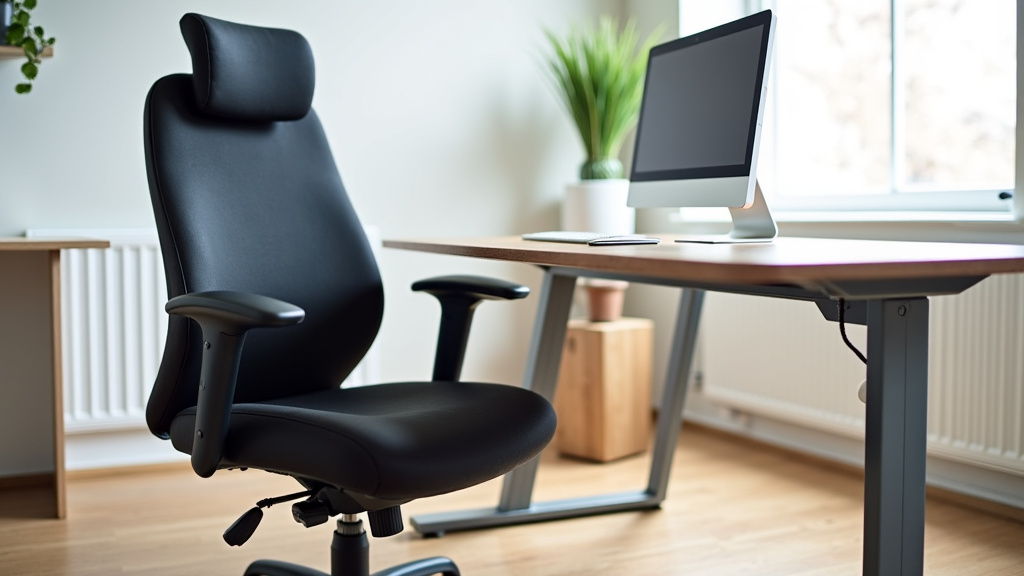
You now have a powerful toolkit for transforming your office chair into a comfortable and supportive workstation. By integrating thoughtful adjustments and smart accessories, you can significantly reduce discomfort and boost your well-being. Don’t underestimate the impact these small changes can have on your daily work life.
We encourage you to experiment with these tips, listen to your body, and create a workspace that genuinely supports you. Start making one change today, and experience the difference a comfortable chair can make!
Frequently Asked Questions
How often should I re-evaluate my chair adjustments?
It’s a good idea to re-evaluate your chair adjustments periodically, especially if you notice new aches or discomfort. Your body changes, and so might your comfort needs. A quick check-in at the beginning of each week can be beneficial.
Can a standing desk replace the need for a comfortable office chair?
While standing desks are great for breaking up sitting time, they don’t eliminate the need for a comfortable chair. Most people use a sit-stand approach, alternating between positions. A good chair remains essential for your sitting periods.
Are expensive ergonomic chairs always better?
Not necessarily. While high-end chairs often offer more adjustments and higher quality materials, a less expensive chair can be very comfortable with the right adjustments and accessories. Focus on features that support your specific body and needs, not just price.
What’s the ideal monitor height when sitting comfortably?
When you’re sitting comfortably, your monitor’s top edge should be at or slightly below eye level. This helps prevent neck strain. Ensure your screen is about an arm’s length away to maintain good focus and reduce eye fatigue.
Will improving my chair comfort really impact my productivity?
Absolutely. When you’re comfortable, you’re less distracted by aches and pains, allowing you to focus better on your tasks. Reduced discomfort can lead to improved concentration, better mood, and ultimately, higher productivity throughout your workday.