
How to Clean a Leather Office Chair?
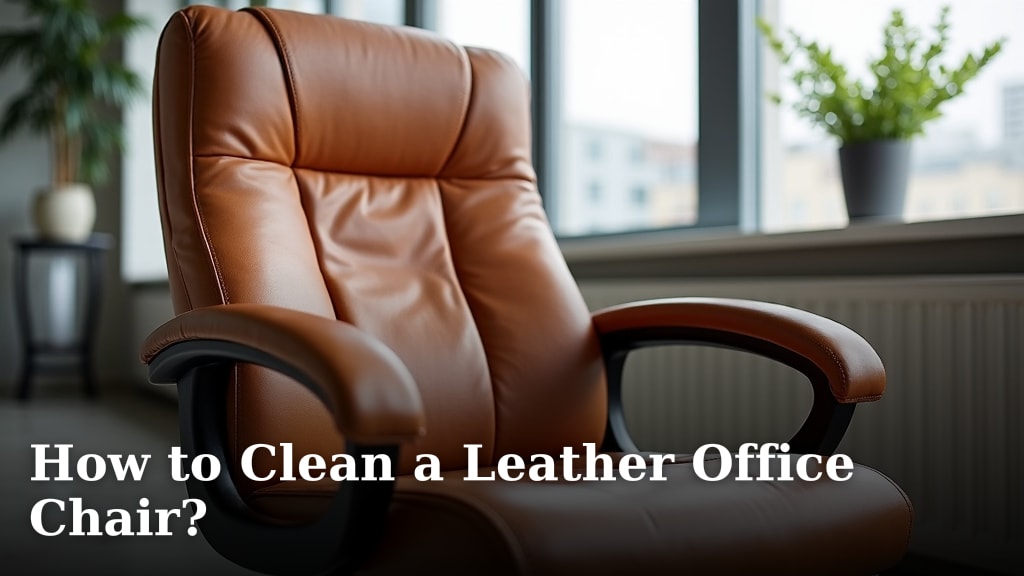
The easiest way to clean a leather office chair is by regularly wiping it down with a damp cloth and mild soap. For deeper cleaning, you’ll want to use a specialized leather cleaner. Always test any cleaning solution on a hidden spot first.
You probably spend a lot of time in your office chair, right? Keeping it clean not only makes your workspace look better but also helps preserve the leather. Regular maintenance prevents damage and keeps your chair feeling fresh and comfortable for years.
- Wipe regularly with a damp cloth.
- Use mild soap for light dirt.
- Treat stains with a dedicated leather cleaner.
- Always test cleaners in an hidden area.
- Condition leather after cleaning.
Ready to give your chair the spa treatment it deserves? Let’s walk through exactly how to clean a leather office chair, step by step.
Prepping Your Leather Office Chair for Cleaning
Before you dive into cleaning your leather office chair, a little prep work goes a long way. Think of it like getting ready for a big project. You wouldn’t start painting a room without clearing out the furniture first, right? The same idea applies here. Proper preparation makes the cleaning process easier and helps you get the best results.
First, you’ll want to clear away any clutter. Remove pens, papers, or anything else resting on your chair. Then, give it a quick once-over to see what you’re up against. Are there crumbs? Dust bunnies? Or something more stubborn?
Initial Inspection and Dust Removal
Take a good look at your chair. What kind of shape is it in? Notice any visible dirt or dust. This initial inspection helps you gauge the level of cleaning needed. You might find a few surprises!
Dust is the enemy of clean leather. It can settle into the grain and make your chair look dull. Start by using a soft brush attachment on your vacuum cleaner. Gently go over all the leather surfaces. Don’t press too hard; you want to lift the dust, not scratch the leather.
For tight spots, like seams or around buttons, a soft-bristled toothbrush can be helpful. Just be gentle. This step is about removing loose particles before they get wet and turn into mud.
Gathering Your Cleaning Supplies
Having everything ready before you start saves time and frustration. Imagine getting halfway through and realizing you’re missing a key item! We’ve all been there. Here’s a list of what you’ll need. These are common household items, so you likely already own most of them.
- Two soft, clean microfiber cloths
- Mild dish soap (like Dawn or Palmolive) or a specialized leather cleaner
- Distilled water (tap water can leave mineral spots)
- A small bucket or bowl
- Leather conditioner (optional, but highly recommended)
- Cotton swabs for tiny crevices (optional)
We found that microfiber cloths work best because they are gentle and highly absorbent. Avoid using abrasive sponges or rough towels, as they can damage the leather surface.
The Step-by-Step Cleaning Process
Now that your chair is prepped and your supplies are ready, it’s time to get down to business. Cleaning your leather office chair doesn’t have to be a big chore. Breaking it down into simple steps makes it manageable and effective. You’ll be surprised how quickly your chair can look new again.
Spot Testing Your Cleaner
This is perhaps the most important step before applying any cleaning solution to your entire chair. Always test on a hidden area first. Why? Different leathers can react differently to cleaners. You want to make sure your chosen solution won’t cause discoloration or damage.
Find an inconspicuous spot, like the underside of the seat or the back of a leg. Apply a tiny amount of your chosen cleaner with a cotton swab or a corner of a cloth. Let it sit for a few minutes, then wipe it off. Check for any changes in color or texture. If everything looks good, you’re ready to proceed!
Many experts, including those in leather care guides, emphasize this step. It’s your insurance policy against accidental damage.
Light Cleaning with Mild Soap and Water
For general dirt and grime, a simple solution of mild soap and water is often all you need. This method is gentle and effective for everyday maintenance. It’s like giving your chair a refreshing bath.
Mix a few drops of mild dish soap with distilled water in a bowl. You want a very dilute solution, just enough to create a little suds. Dip one of your microfiber cloths into the solution, then wring it out thoroughly. The cloth should be damp, not soaking wet.
Gently wipe down all the leather surfaces of your chair. Work in small sections. Don’t scrub vigorously; a light, even wipe is sufficient. As you go, you’ll see the dirt transferring to your cloth. Rinse your cloth frequently and re-dampen with the solution as needed.
After cleaning a section, immediately follow up with your second clean, dry microfiber cloth. This helps to remove any excess moisture and prevent water spots.
Tackling Stubborn Stains with Leather Cleaner
Sometimes, a mild soap and water solution isn’t enough for those tougher marks. This is where a dedicated leather cleaner comes in handy. These products are formulated to be safe for leather while offering more cleaning power. Think of them as your chair’s stain-fighting superheroes.
We found that many specialized leather cleaners contain conditioners, which is a nice bonus. Apply the leather cleaner according to the product’s instructions. Usually, this means applying a small amount to a clean cloth, then gently working it into the stained area in a circular motion.
Be patient with stubborn stains. You might need to repeat the process a few times. Avoid harsh scrubbing, which can damage the leather’s finish. Once the stain is gone or significantly reduced, wipe the area with a clean, damp cloth to remove any residue, then dry with a clean, dry cloth.
Types of Stains and How to Approach Them
Different stains require slightly different tactics. Knowing what you’re dealing with can help you choose the right approach.
- Ink Stains: For fresh ink, many leather cleaners have specific instructions. Sometimes a bit of rubbing alcohol on a cotton swab can work, but always test it in a hidden area first, as it can be harsh.
- Grease/Oil Stains: Blot immediately with a clean, dry cloth. Do not rub! For older stains, a specialized degreaser for leather or even cornstarch can help absorb the oil. Sprinkle cornstarch, let it sit for hours or overnight, then gently brush it off.
- Food/Beverage Stains: Wipe up immediately with a damp cloth. For sticky residues, the mild soap solution is usually effective.
The key with any stain is to address it as soon as possible. The longer a stain sits, the harder it is to remove. It’s like a race against time!
The Importance of Conditioning Your Leather
Cleaning can strip some of the natural oils from leather, leaving it a bit dry. This is why conditioning is so important. Think of it as moisturizing your skin after a shower. A good conditioner replenishes those lost oils, keeping your leather soft, supple, and less prone to cracking. It’s an investment in your chair’s longevity.
Why Leather Conditioning Matters
Leather is a natural material, and like our skin, it needs moisture to stay healthy. Without it, leather can become stiff, brittle, and develop fine cracks. Conditioning helps to restore its natural luster and protect it from daily wear and tear. It also helps create a barrier against future spills and stains.
Many experts, including those focused on leather upholstery care, recommend conditioning your leather chair every 3-6 months, or more often if it’s in direct sunlight or a dry environment. It’s a small step that makes a huge difference in the long run.
Applying Leather Conditioner
Once your chair is clean and completely dry, it’s time for the conditioner. Choose a high-quality leather conditioner. There are many great options available, often sold where leather cleaners are found.
Apply a small amount of conditioner to a clean, soft cloth. Work it into the leather in small, circular motions. You don’t need a thick layer; a thin, even coat is perfect. The leather should absorb the conditioner, not sit on top of it. Some conditioners might darken the leather slightly at first, but this usually fades as it dries.
After applying the conditioner to all leather surfaces, let it sit for about 15-30 minutes, or as directed by the product’s instructions. This allows the leather to fully absorb the nourishing ingredients. Finally, buff off any excess with a clean, dry cloth. Your chair should now feel soft, look richer, and smell wonderful!
Maintenance Tips for Long-Lasting Leather
Cleaning your chair is great, but regular maintenance is what truly keeps it looking its best for years. It’s like brushing your teeth daily versus only going to the dentist when you have a cavity. A little effort consistently prevents bigger problems later.
Creating a Cleaning Schedule
Consistency is key. You don’t need to deep clean your chair every week, but a little routine goes a long way. Consider setting up a simple cleaning schedule.
| Frequency | Action | Details |
|---|---|---|
| Weekly | Dusting/Wiping | Quick wipe with a dry or slightly damp microfiber cloth to remove surface dust. |
| Monthly | Light Cleaning | Wipe with mild soap and water solution (damp cloth). |
| Quarterly | Deep Clean & Condition | Thorough cleaning with leather cleaner, followed by conditioning. |
This schedule is a general guideline. If you use your chair heavily or if it’s in a busy environment, you might want to adjust the frequency. The goal is to prevent dirt from building up and becoming ingrained.
Quick Checklist for Leather Chair Care
Here’s a simple checklist to keep your leather office chair looking sharp:
- Dust your chair regularly with a soft cloth.
- Wipe up spills immediately to prevent staining.
- Avoid placing your chair in direct sunlight to prevent fading and drying.
- Keep sharp objects away from the leather to prevent scratches.
- Use a coaster for drinks to avoid moisture rings.
- Condition your leather chair every few months to keep it supple.
Following these simple steps will help protect your investment and ensure your leather office chair remains a comfortable and attractive part of your workspace for many years to come. It’s amazing what a little care can do!
Conclusion
You’ve seen how simple it is to keep your leather office chair in top condition. With a little consistent effort, you can protect your investment and ensure it stays comfortable and attractive. Remember, regular dusting and immediate spill cleanup go a long way.
By following our steps for cleaning, spot treatment, and especially conditioning, you’re actively extending the life of your chair. Don’t let dirt and dryness shorten its lifespan. Take pride in your workspace and enjoy a well-maintained, luxurious leather chair. Your back (and your office aesthetic) will thank you.
Frequently Asked Questions
How often should I deep clean my leather office chair?
We recommend a deep clean with a specialized leather cleaner and conditioner every three to six months. This frequency helps restore natural oils and protect the leather. If you use your chair heavily or it’s in a dry environment, you might consider cleaning more often.
Can I use household cleaners like Windex or all-purpose sprays on my leather chair?
No, you should avoid using harsh household cleaners. Products like Windex, bleach, or all-purpose sprays can damage the leather’s finish, strip its natural oils, and cause discoloration. Always stick to mild soap and water or cleaners specifically designed for leather.
What’s the best way to prevent my leather chair from cracking?
Regular conditioning is key to preventing cracks. Leather dries out over time, especially if exposed to sunlight or dry air. Applying a good quality leather conditioner every few months keeps the material supple and moisturized, which greatly reduces the risk of cracking.
My leather chair has a strong odor. How can I get rid of it?
First, ensure the chair is thoroughly cleaned and dried to remove any lingering dirt or spills causing the smell. For persistent odors, try placing a bowl of baking soda near the chair overnight to absorb smells. You can also use a leather-safe deodorizer if needed, but always test it first.
Is it okay to sit in my leather chair immediately after conditioning?
It’s best to let the conditioner fully absorb into the leather before sitting on it. This usually takes about 15-30 minutes, or as directed by the product. Sitting too soon can transfer the conditioner to your clothes and prevent it from properly nourishing the leather.