How to Fix Wobbly Office Chair Base?
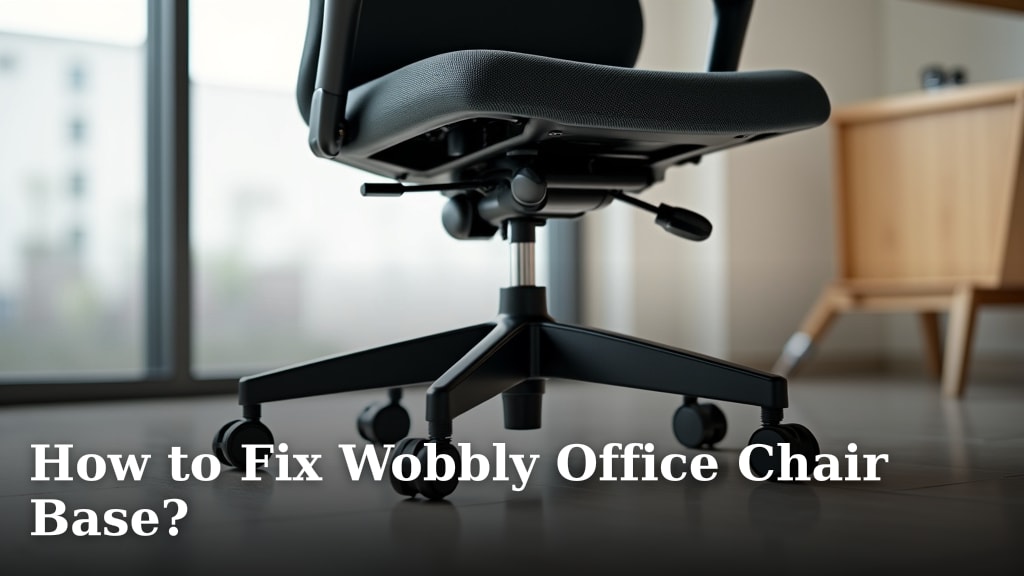
To fix a wobbly office chair base, you generally need to tighten loose bolts, replace worn-out casters, or inspect the chair’s central column. Addressing these common issues will often restore your chair’s stability and comfort.
A stable office chair is important for your comfort and posture during long workdays. We found that a wobbly chair can lead to distraction and even discomfort. Fortunately, many common causes are easy to fix with basic tools.
- Identify if the wobble is from the base, casters, or gas cylinder.
- Tighten any loose screws or bolts under the seat and around the base.
- Replace damaged or worn chair casters (wheels).
- Check the gas lift cylinder for stability and replace if faulty.
- Lubricate moving parts to ensure smooth operation.
Let’s walk through exactly how to diagnose and fix your wobbly office chair base step by step, so you can get back to working comfortably.
Restoring Stability to Your Office Chair Base
You’re ready to get rid of that annoying wobble. We’ll guide you through the process of stabilizing your office chair, ensuring it feels sturdy and comfortable again.
Understanding the Source of the Wobble
Before you grab your tools, you need to play detective. Pinpointing where the wobble comes from is the first, most important step. Is it the seat itself, the wheels, or the central column? We found that taking a moment to observe can save you a lot of time and effort.
Examining the Chair’s Top Components
Start by checking the seat and backrest. Sometimes, the problem isn’t the base at all. Try to rock the seat by hand. Does it move independently from the rest of the chair? If so, the issue might be where the seat plate attaches to the gas lift.
- Check the seat plate screws: Look underneath your seat. You’ll usually see four screws holding the seat plate to the chair bottom. Are they all tight?
- Test the backrest connection: If your backrest moves, examine its attachment points. These can loosen over time with regular use.
Inspecting the Chair’s Core and Base
Next, focus on the central part of your chair. This includes the gas lift cylinder and the star-shaped base. We found that these areas are often the culprits for instability.
- The Gas Lift Cylinder: This is the tall, shiny part that lets you adjust your chair’s height. Does it feel loose where it meets the seat or where it enters the base? We’ve seen cylinders become detached or worn.
- The Chair Base (Star Base): This is the large, multi-legged part that sits on the floor. Is it cracked? Are any of the legs bending or detaching?
Tools You Might Need
Don’t worry, you won’t need a whole workshop. Most office chair fixes require only basic household tools. Having these on hand makes the job much smoother.
- Allen wrenches (hex keys): Many chairs use these for assembly. Your chair might have come with a set.
- Screwdrivers: Both Phillips-head and flathead are good to have.
- Pliers or an adjustable wrench: Useful for tightening nuts or holding parts.
- Lubricant (like WD-40 or silicone spray): Helpful for stiff or squeaky parts, though not always for wobble.
- Gloves: To protect your hands, especially if dealing with grime.
Tightening Loose Connections
This is often the simplest and most effective fix. Many wobbles are simply due to parts that have worked their way loose over time. Think of it like a bicycle — bolts need occasional tightening.
Under the Seat Fasteners
Turn your chair over carefully. Look at the mechanism directly under the seat. You’ll likely see several screws or bolts. These connect the seat to the control mechanism and the gas lift. We recommend you tighten every visible fastener here.
- Use the correct Allen wrench or screwdriver.
- Turn clockwise until snug, but don’t overtighten. Overtightening can strip threads or crack plastic.
- Check the arms too, if they are bolted to the seat. Loose armrests can sometimes make the whole chair feel unstable.
Base and Caster Connections
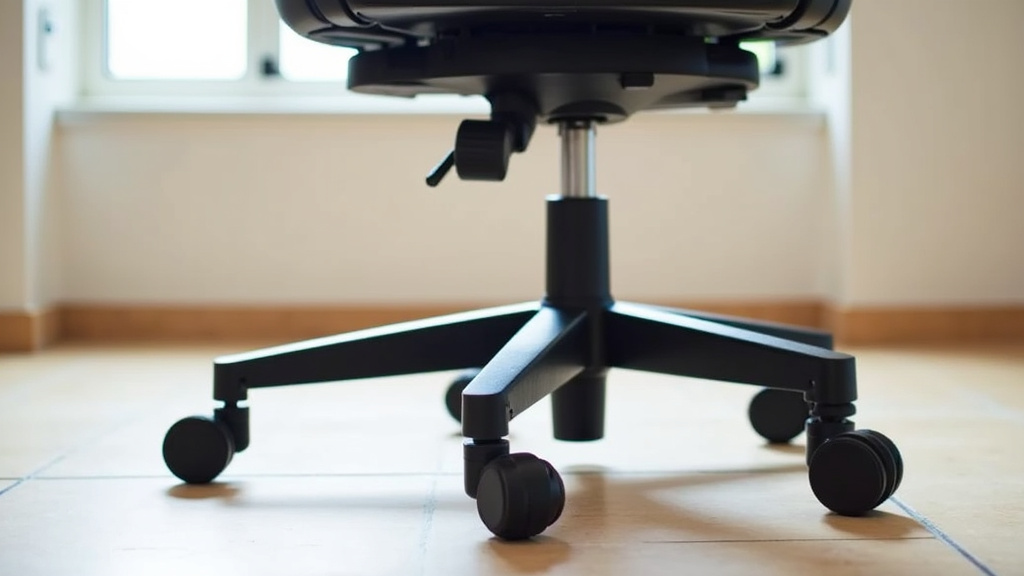
The chair’s base also has connections worth inspecting. Each leg of the star base connects to the central hub. While these are often molded plastic or metal, sometimes a bolt secures them. Similarly, the casters (wheels) push into sockets at the end of each leg.
- Check the base legs: Are they firmly attached to the center? Any visible gaps or cracks?
- Inspect caster stems: Give each wheel a gentle tug. If it pulls out easily, the socket might be worn, or the stem bent.
Addressing Caster (Wheel) Issues
Wobbly wheels are a common source of instability. They might be worn out, broken, or simply dirty. Imagine trying to walk on shoes with uneven soles – it’s similar for your chair.
Cleaning and Lubricating Casters
Often, hair, dust, and debris get wrapped around the wheel axles. This can prevent smooth rolling and cause friction, leading to a feeling of instability. Cleaning them can make a big difference.
- Remove debris: Turn the chair over. Use tweezers or pliers to pull out hair and gunk from around the wheels.
- Lubricate axles: A quick spray of silicone lubricant can help them spin freely
Conclusion
You now have a clear roadmap to fix that annoying office chair wobble. By methodically identifying the source, gathering simple tools, and performing targeted adjustments, you can restore your chair’s stability. We’ve found that these basic steps often prevent the need for a costly replacement. Take a few minutes to give your chair the attention it needs, and you’ll be back to comfortable, focused work in no time.
Frequently Asked Questions
What if my chair is still wobbly after tightening everything?
If you’ve tightened all visible fasteners and the wobble persists, the issue might be with internal components. We suggest inspecting the gas lift cylinder for proper seating or potential damage. A worn-out cylinder can cause instability even when everything else is tight.
Can I use super glue to fix a cracked chair base?
No, we advise against using super glue or similar adhesives for structural repairs on a cracked chair base. These glues aren’t designed to withstand the dynamic stress and weight bearing of an office chair. For cracks, it’s safer and more effective to replace the entire base to ensure long-term stability and safety.
How often should I check my office chair for wobbles?
We recommend performing a quick stability check on your office chair every few months, especially if you use it daily. Regular use can gradually loosen components, so a proactive tightening of bolts can prevent major wobbles from developing. It’s a simple habit that extends your chair’s life.
Is it worth replacing casters, or should I just buy a new chair?
Replacing casters is often a very cost-effective fix. A set of new, high-quality casters is significantly cheaper than a new chair and can dramatically improve stability and mobility. We find it’s almost always worth replacing worn casters unless the chair has multiple other major issues.
My gas lift keeps sinking. Is this related to a wobbly base?
While a sinking gas lift isn’t directly a “wobble” of the base, it indicates a faulty gas cylinder, which is a core component. A failing gas lift can sometimes feel like instability as the chair doesn’t hold its height. Replacing the gas lift cylinder will resolve both the sinking and any related feeling of looseness.