Why Does My Office Chair Hurt My Tailbone?
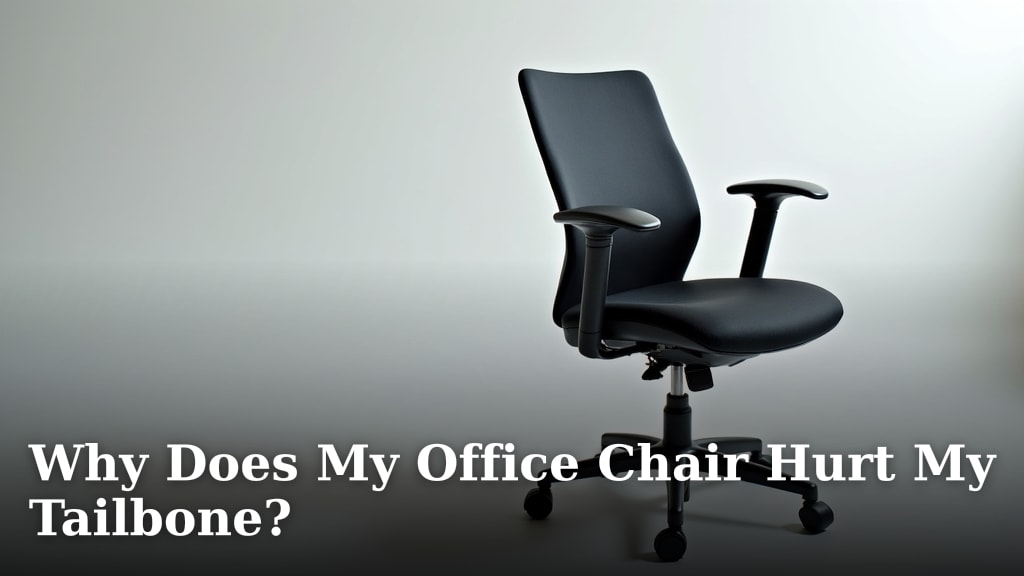
Your office chair hurts your tailbone, or coccyx, because it often creates direct pressure on this sensitive area. Poor posture, a hard seat, or an unsupportive chair design are common culprits that can lead to tailbone pain while sitting.
Many people experience this discomfort, especially those who spend long hours at a desk. We found that this pain can range from a dull ache to a sharp, stabbing sensation, making your workday miserable. It’s not just uncomfortable; it can also affect your productivity and overall well-being.
TL;DR:
- Your chair might put direct pressure on your tailbone.
- Poor posture is a big contributor to tailbone pain.
- A hard seat or lack of support can also be to blame.
- Long sitting hours often make tailbone pain worse.
- Fixing your chair or posture can bring relief.
Let’s dive into the common reasons your office chair might be causing tailbone pain and what you can do about it.
Understanding the Root of Your Tailbone Pain
Tailbone pain, medically known as coccydynia, often stems from how you interact with your office chair. It’s a localized pain that can make sitting feel like a chore.
The Anatomy of Your Tailbone
Your tailbone, or coccyx, is a small, triangular bone at the very bottom of your spine. It’s made up of several fused vertebrae. While small, it plays a vital role in supporting your weight when you sit and serves as an attachment point for various muscles and ligaments (Cleveland Clinic).
Because it protrudes slightly, it’s vulnerable to direct pressure. Imagine it like a tiny tripod leg that bears more weight than it’s designed for.
Common Causes of Coccyx Discomfort
So, why does this small bone get so angry? We’ve identified several key culprits that turn your office chair into an instrument of discomfort.
Direct Pressure and Impact
This is often the biggest offender. When you sit down, especially on a hard surface, your tailbone can take a direct hit. Think of it like constantly tapping a sensitive spot. Over time, this repeated pressure irritates the coccyx and surrounding tissues.
Poor Posture Habits
Your posture is a huge factor. Slouching or leaning back too far can shift your weight. This often puts more direct pressure on your tailbone. We found that many people unknowingly adopt postures that worsen their pain rather than alleviate it.
- Slouching: Causes your pelvis to tilt backward, concentrating pressure on the coccyx.
- Leaning Back: Removes lumbar support and often pushes your tailbone into the seat.
- Perching on the Edge: This can strain your back and put uneven pressure on your lower body.
Unsuitable Chair Design
Not all chairs are created equal. Some office chairs are simply not designed with tailbone comfort in mind. A flat, hard seat pan is a major issue. It doesn’t allow your tailbone to be suspended or cushioned properly. We’ve all sat in those chairs that feel like sitting on a wooden bench after an hour!
How Your Office Chair Can Contribute to Pain
It’s not always you; sometimes, it’s the chair. Let’s break down how specific chair features (or lack thereof) can make your tailbone sing the blues.
The Role of Seat Cushioning
Think of your car’s suspension; it absorbs bumps. Your chair cushion should do something similar for your backside. If your office chair has a thin, worn-out, or overly firm cushion, it offers little protection. This means your tailbone bears the brunt of your body weight. Research shows that adequate cushioning distributes pressure more evenly (NIH).
Flat and Uncontoured Seats
Many standard office chairs have a flat seat. While this might seem neutral, it often forces your tailbone to press directly against the surface. A well-designed chair often has a slight contour or a cut-out area. This allows your tailbone to float freely. This simple design feature can make a world of difference.
Lack of Lumbar Support
You might wonder what lumbar support has to do with your tailbone. It’s all connected! Proper lumbar support helps maintain the natural curve of your lower back. When your lower back is supported, your pelvis tends to stay in a neutral position. Without it, you might slouch, which, as we discussed, puts extra stress on your tailbone.
Beyond the Chair: Other Factors Affecting Tailbone Pain
While your office chair is often a primary suspect, other elements can play a role or even worsen your tailbone discomfort. It’s a puzzle with several pieces.
Prolonged Sitting
Even in the best chair, sitting for hours on end is tough on your body. Your tissues need movement and circulation. Long periods of inactivity can lead to muscle stiffness and increased pressure on your tailbone. We often hear people say their pain gets worse towards the end of the workday, and this is a common reason why.
Your Sitting Habits
Are you a fidgeter or a statue? How you sit matters. Crossing your legs, leaning heavily to one side, or constantly shifting can unevenly distribute weight. This puts undue stress on your coccyx or the muscles around it.
Weight Distribution and Body Mechanics
Your body weight naturally exerts pressure downwards. If you have a job that requires a lot of heavy lifting or awkward movements outside of sitting, this can also impact your lower back and tailbone. Pregnancy and childbirth can also contribute to tailbone pain due to changes in pelvic alignment and pressure (Mayo Clinic).

Quick Fixes and Long-Term Solutions
Don’t despair! There are practical steps you can take right now and adjustments you can make for lasting relief.
Immediate Relief Strategies
Feeling pain right now? Try these simple adjustments:
- Stand Up and Walk: Get up every 30-60 minutes for a few minutes.
- Use a Donut or Coccyx Cushion: These specialized cushions relieve direct pressure.
- Adjust Your Posture: Sit upright with your feet flat on the floor and your back against the chair.
- Lean Forward Slightly: This can reduce direct pressure on your tailbone.
Choosing the Right Chair
If your current chair is the main issue, consider an upgrade. Look for chairs with these features:
| Feature | Benefit for Tailbone Pain |
|---|---|
| Coccyx Cut-out | Completely removes pressure from the tailbone area. |
| Contoured Seat Pan | Supports the natural curve of your thighs and hips, distributing weight. |
| Adjustable Lumbar Support | Maintains natural spinal curve, preventing slouching. |
| Quality Foam Cushioning | Provides durable, even support without bottoming out. |
| Tilt and Recline Options | Allows you to change positions and relieve pressure points. |
Checklist for a Pain-Free Sitting Setup
Here’s a quick checklist to ensure your workstation is helping, not hurting, your tailbone:
- Is your chair seat adjusted so your feet are flat on the floor?
- Is your back fully supported by the chair’s backrest, especially your lower back?
- Is there a gap between the back of your knees and the edge of the seat?
- Are your elbows at a 90-degree angle when typing?
- Do you take short breaks to stand and stretch every hour?
Conclusion
Tailbone pain from your office chair is more than just an annoyance; it signals that something in your setup needs attention. By understanding how direct pressure, poor posture, and chair design contribute to coccydynia, you can take control. We’ve shown that simple adjustments, from using a specialized cushion to upgrading your chair, can make a huge difference. Don’t let discomfort disrupt your workday. Implement these strategies, listen to your body, and create a more supportive work environment for lasting relief.
Frequently Asked Questions
Can a bad office chair cause permanent tailbone damage?
While a bad office chair is unlikely to cause permanent structural damage, prolonged pressure and irritation can lead to chronic inflammation and persistent pain. Over time, this can affect your sitting tolerance and overall comfort. Addressing the issue promptly helps prevent long-term discomfort.
How long does it take for tailbone pain from a chair to go away?
The recovery time varies depending on the severity and duration of the pain. For mild cases caused by poor posture or a temporary bad chair, relief might come within a few days of making corrections. More persistent pain might take several weeks to resolve fully with consistent adjustments and care.
Is it better to sit on a hard or soft surface for tailbone pain?
Neither extreme is ideal. A very hard surface puts direct pressure on the tailbone. An overly soft surface can cause you to sink, also putting pressure on the coccyx. The best option is a moderately firm, contoured seat or a cushion specifically designed to relieve tailbone pressure.
What kind of exercises can help with tailbone pain caused by sitting?
Gentle stretches that target the pelvic floor and lower back can be beneficial. Pelvic tilts, knee-to-chest stretches, and gentle glute stretches can help relieve tension. Always consult with a healthcare professional or physical therapist before starting a new exercise routine.
When should I see a doctor for tailbone pain from my office chair?
If your tailbone pain is severe, doesn’t improve after a few weeks of making chair and posture adjustments, or is accompanied by other symptoms like numbness or weakness, it’s wise to consult a doctor. They can rule out other conditions and recommend specific treatments.