Why Does Sitting All Day Hurt My Hips?
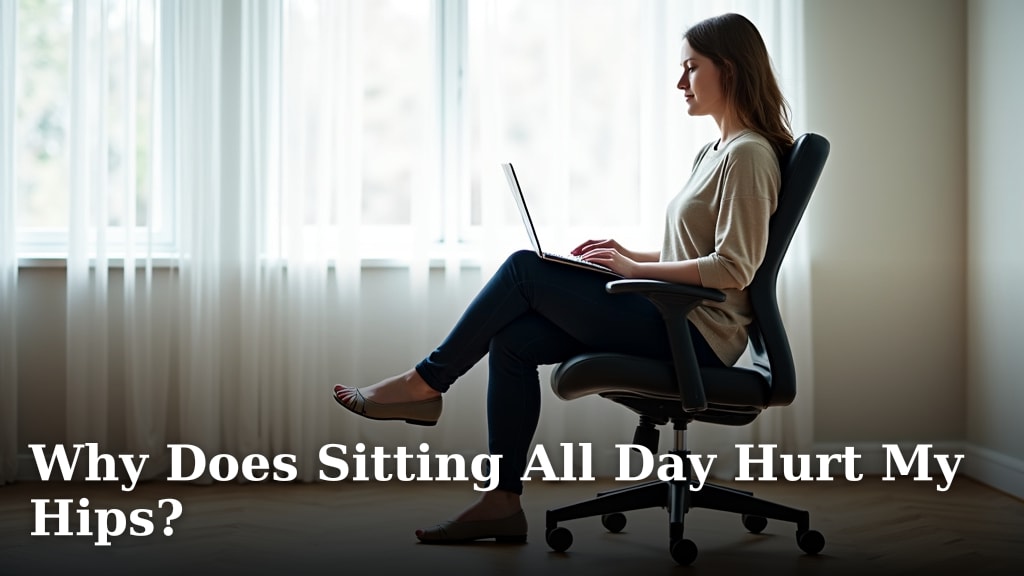
Your hips hurt from sitting all day because prolonged sitting shortens and tightens your hip flexor muscles. This consistent tension can lead to muscle imbalances and stiffness, causing discomfort and pain in your hip joints.
When you sit for long periods, your body adapts to that seated posture. We found that this often weakens your glutes and core muscles. This means other muscles have to work harder, putting extra stress on your hips and lower back. It’s a common problem in our modern, sedentary lifestyles.
- Sitting shortens hip flexors.
- Tight muscles cause pain.
- Weak glutes and core are a factor.
- Poor posture adds stress to hips.
- Movement helps prevent discomfort.
So, what exactly happens when you sit for hours on end, and how can you find relief? Let’s break down the science behind why your hips ache and what you can do about it.
How Sitting All Day Affects Your Hips
Sitting for long periods can really mess with your hips. Your body is designed to move, not to stay still for hours. When you sit, certain muscles get tight, and others get weak. This imbalance is often the root cause of your hip pain.
We found that your body starts to adapt to this seated posture. It thinks this is your new normal. This adaptation, while natural, isn’t always good for you in the long run.
The Hip Flexor Problem
Your hip flexors are a group of muscles at the front of your hip. They help you lift your knee towards your chest. When you sit, these muscles are in a shortened position. Think of them like a rubber band constantly held stretched tight.
Over time, these muscles can actually shorten and tighten permanently. This is called adaptive shortening. When you finally stand up, those tight flexors pull on your pelvis and lower back, leading to discomfort and pain in your hips.
What are Hip Flexors?
The main hip flexor muscles are the iliacus and the psoas major, often grouped as the iliopsoas. There are others too, like the rectus femoris, which is part of your quad muscle. These muscles are vital for almost every movement you make involving your legs and torso.
When they get tight, they don’t just affect your hips. They can also contribute to lower back pain and poor posture. It’s like one part of a complex machine isn’t working right, and it throws everything else off balance.
Weak Glutes and Core
While your hip flexors are tightening, other important muscles are going to sleep. We’re talking about your gluteal muscles (your butt muscles) and your core muscles.
When you sit, your glutes aren’t really engaged. They become weak and inactive over time. This is sometimes called “gluteal amnesia.” Your core muscles also don’t have to work as hard to stabilize your spine when you’re sitting, so they weaken too.
The Domino Effect
Imagine your body as a team of muscles. If the star players (your glutes and core) are benched, other players have to step up. This often means your hip flexors and lower back muscles end up doing too much work. This overuse leads to strain and pain.
This muscle imbalance creates a vicious cycle. Tight hip flexors inhibit your glutes even further. Weak glutes mean less support for your pelvis and spine, putting more stress on your hips (Cleveland Clinic).
Posture’s Role in Hip Discomfort
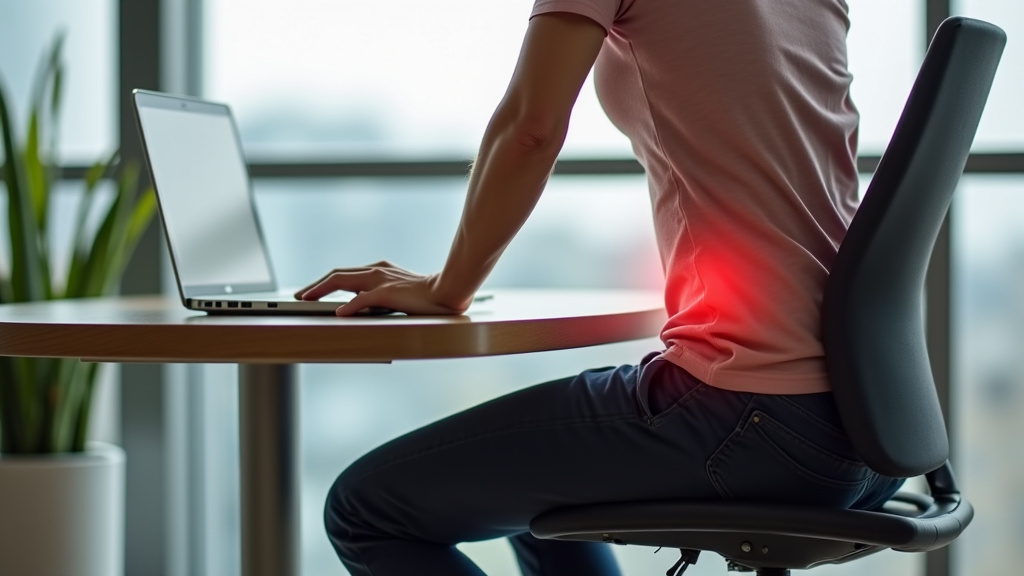
How you sit plays a huge part in how your hips feel. Many of us slouch, lean, or cross our legs without thinking. These habits, repeated for hours every day, can put awkward stress on your hip joints and surrounding tissues.
Your spine isn’t in its natural S-curve when you slouch. This tilts your pelvis backward, which can further tighten your hip flexors and stretch out your glutes, making them even weaker.
Common Poor Sitting Postures
Do you often find yourself slumped forward? Or maybe you sit with one leg tucked under you? These seemingly harmless habits can be culprits. We found that even the way your chair is set up can impact your posture.
Here are some postures that can hurt your hips:
- Slouching: Rounds your lower back, tilting your pelvis and stressing your hips.
- Leaning to one side: Puts uneven pressure on your hips and spine.
- Crossing your legs: Can rotate your pelvis and create tension in one hip.
- Sitting on an unsupportive chair: Doesn’t allow your spine to maintain its natural curve.
Understanding Hip Joint Compression
When you sit, especially in chairs that aren’t ergonomically designed, your hip joints can experience constant compression. Think of it like gently squeezing a sponge for a long time. Over time, that constant pressure can irritate the joint.
The cartilage in your hip joint needs movement to stay healthy. Movement helps distribute nutrients and remove waste. Sitting still for hours limits this vital process, potentially contributing to joint degeneration over time (NIH).
Other Factors Contributing to Hip Pain
While tight hip flexors and weak glutes are major players, other things can worsen your hip pain from sitting. It’s rarely just one issue; often, it’s a combination.
Reduced Circulation
Prolonged sitting can reduce blood flow to your lower body, including your hips. Good circulation is essential for muscle health and tissue repair. When blood flow is restricted, muscles can become stiff and more prone to pain.
Many experts say that even short breaks to stand and move can significantly improve circulation and reduce stiffness (Mayo Clinic).
Nerve Compression
Sometimes, hip pain isn’t just about muscles and joints. Sitting can put pressure on nerves that run through your glutes and down your legs, such as the sciatic nerve. This can lead to radiating pain, tingling, or numbness.
If you’ve ever felt a “pins and needles” sensation after sitting for a long time, you’ve experienced mild nerve compression. Consistent compression can be more serious.
What Can You Do Right Now?
Don’t worry, you’re not doomed to hip pain forever! There are practical steps you can take to alleviate discomfort and prevent future issues. The key is to break up your sitting time and add movement.
Here’s a simple checklist to get started:
- Take movement breaks: Stand up and walk around for 2-5 minutes every hour.
- Stretch regularly: Focus on gentle hip flexor stretches.
- Strengthen your glutes: Do exercises like glute bridges or squats.
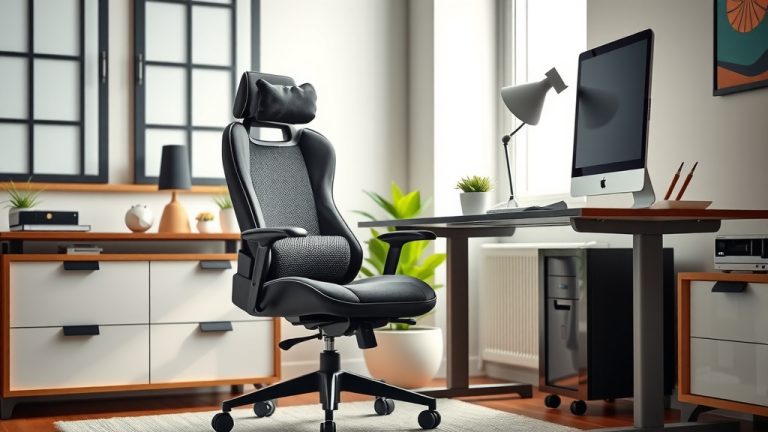
- Improve your sitting posture: Use ergonomic support if needed.
- Hydrate throughout the day: Water helps maintain joint and muscle health.
Understanding the Impact of Sedentary Lifestyle
Our modern lives often involve a lot of sitting. From commutes to desk jobs to relaxing at home, it adds up. We found that this overall sedentary lifestyle is a major contributor to many musculoskeletal issues, not just hip pain.
It’s about finding balance. You might not be able to eliminate sitting entirely, but you can certainly mitigate its negative effects. Think of it as counteracting the hours of stillness with targeted movement and activity.
The long-term effects of too much sitting go beyond hip pain. It can affect your overall health, including heart health and metabolism. So, taking care of your hips is also taking care of your whole body.
The Science Behind Movement for Pain Relief
Movement is medicine for your joints and muscles. When you move, you increase blood flow, lubricate your joints, and encourage muscle activation. This helps undo the damage caused by prolonged sitting.
Regular movement also helps maintain the flexibility and strength of your muscles. It teaches your body that you don’t just exist in a seated position. Your body adapts to what you consistently ask it to do.
The Benefits of Regular Stretching
Stretching helps to lengthen those tight hip flexors. When they are less tight, they put less pull on your pelvis and lower back. This can immediately ease some of the pressure on your hips.
Think of stretching as releasing the tension in that “stretched rubber band” we talked about earlier. It allows your muscles to return to a more neutral, relaxed state.
The Power of Strengthening
Strengthening your glutes and core muscles provides better support for your pelvis and spine. When these muscles are strong, they can take on their share of the workload, reducing the burden on your hips and lower back.
It’s about getting that “team of muscles” back in balance. Strong glutes are crucial for hip stability and healthy movement patterns. Many common hip pains often disappear when glute strength improves.
Conclusion
Sitting all day can definitely take a toll on your hips, often due to tight hip flexors, weak glutes, and poor posture. You’ve learned how your body adapts to this sedentary lifestyle, creating muscle imbalances and discomfort. But here’s the good news: you have the power to change this.
By incorporating simple strategies like movement breaks, targeted stretches, and strengthening exercises, you can significantly reduce hip pain. Start today by standing up and moving for just a few minutes every hour. Your hips (and the rest of your body) will thank you!
Frequently Asked Questions
How can I tell if my hip flexors are tight from sitting?
You might notice a forward tilt in your pelvis when standing, or an inability to fully straighten your hip. You could also feel tightness or pain in the front of your hips, especially when you try to stand up after sitting for a while.
Are there specific exercises to strengthen glutes for hip pain from sitting?
Yes, many simple exercises can help. Try glute bridges, clam shells, or banded walks. These help wake up and strengthen those dormant glute muscles, improving hip stability and reducing strain.
Can a standing desk really help with hip pain caused by sitting?
A standing desk can certainly help by reducing continuous sitting time. It allows you to alternate between sitting and standing, keeping your muscles more engaged and preventing prolonged hip flexor shortening. Remember to still move and stretch even when standing.
How long does it take to relieve hip pain from sitting once I start making changes?
You might feel some relief relatively quickly, often within a few days or weeks, especially with consistent movement and stretching. Significant, lasting improvement usually takes longer as your muscles re-balance and strengthen over several weeks to months.
Should I see a doctor or physical therapist for hip pain from sitting?
If your hip pain is severe, doesn’t improve with self-care, or is accompanied by numbness or weakness, it’s wise to consult a doctor. A physical therapist can also provide a personalized plan for stretching and strengthening to address your specific needs.