Is a Standing Desk Stool Better Than a Chair?
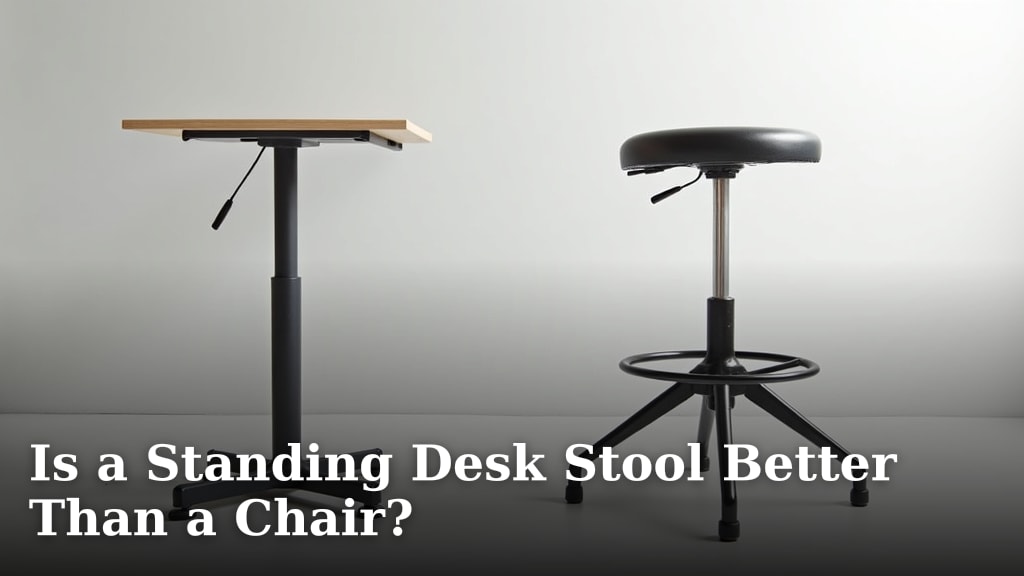
Deciding if a standing desk stool is better than a chair depends on your needs and work style. We found that for most people, a stool offers dynamic movement and improved posture when paired with a standing desk, but it’s not always a direct replacement for a traditional office chair.
Many people struggle with traditional seating, leading to discomfort or stiffness. A standing desk stool provides a supportive middle ground between standing and sitting. It helps you stay active while still giving you a place to rest.
- Stools encourage more movement than chairs.
- They can improve your core strength.
- Stools might not offer the same back support as chairs.
- It’s best to switch between standing, sitting on a stool, and sitting in a chair.
- Personal preference plays a big role in what works best for you.
Ready to figure out if a standing desk stool is the right fit for your workspace? We’ll walk you through the pros and cons of each option.
Comparing Standing Desk Stools and Traditional Office Chairs
You’re looking for the best way to support your body while working, and that’s a smart move. Let’s compare standing desk stools and office chairs to help you decide what’s right for your workspace.
Understanding the Standing Desk Stool: A Hybrid Solution
A standing desk stool isn’t quite a chair, and it’s not fully standing either. Think of it as a supportive perch. It keeps you elevated and active.
What is a Standing Desk Stool?
A standing desk stool is often called an active stool or lean-to stool. It lets you lean, perch, and even slightly sit while still engaging your core and legs. You’re not fully sitting or fully standing; you’re somewhere in between, maintaining movement.
Many designs exist, from wobbling stools that encourage movement to stable ones that offer a higher sitting position. The goal is always to reduce static posture.
The Benefits of Choosing a Standing Desk Stool
Why might you choose a stool over a chair? The main reason is movement. We’ve seen many people find relief and better energy levels.
Enhanced Movement and Engagement
One of the biggest advantages is how much it encourages you to move. Instead of being locked into a static position, a stool allows you to shift your weight, sway, and even gently rock. This movement is key.
Moving helps your circulation. It can prevent that stiff, “pins and needles” feeling you might get from sitting too long. We found that users often feel more energized and alert throughout the day.
Improved Posture and Core Strength
Without a backrest to slouch against, a standing desk stool naturally prompts you to sit up straighter. Your core muscles get more of a workout. This can lead to better posture over time.
Many physical therapists suggest active sitting for this reason. It strengthens the muscles that support your spine. It’s like a subtle workout while you work (Cleveland Clinic).
Reduced Pressure on Your Body
When you sit in a traditional chair, a lot of pressure goes through your hips and lower back. A stool distributes your weight differently. It often puts less direct pressure on your lower body, which can be a relief for some people. This pressure reduction is a significant plus.
Potential Drawbacks of Standing Desk Stools
While stools offer many benefits, they aren’t perfect for everyone. It’s important to know the other side of the coin too.
Limited Back and Arm Support
Most standing desk stools don’t have backrests or armrests. This means you won’t get the same kind of lumbar support or arm relief you might be used to in a traditional office chair. If you have existing back issues, this could be a concern.
For some, the lack of support can lead to fatigue quicker than in a chair. It requires your body to do more work to maintain posture. This isn’t a bad thing, but it’s something to be aware of.
Adjusting to a New Seating Style
Switching from a chair to a stool can take some getting used to. Your muscles might feel a bit tired at first, especially your core and legs, as they adjust to the new demands. It’s a new way of sitting, and your body needs time to adapt. We often recommend starting with short periods.
Don’t expect to use it all day, every day, right from the start. Ease into it. Think of it like starting a new exercise routine; gradual progress is key.
The Role of Traditional Office Chairs
Let’s not forget the good old office chair. It’s a classic for a reason, offering specific advantages that stools don’t.
Comprehensive Support and Comfort
A good ergonomic office chair is designed for long periods of sitting. It offers a backrest, lumbar support, and armrests. This means you can fully recline and relax, giving your muscles a break.
Many chairs are highly adjustable, letting you fine-tune them to your body. This makes them ideal for tasks that require sustained focus in a seated position. If you need to rest, a chair is usually the more comfortable option.
Reduced Fatigue for Extended Periods
When you have a long work session, a chair can help prevent fatigue. The full support allows your muscles to relax. This is especially true if you’re not used to active sitting or have conditions that make sustained muscle engagement difficult. We find chairs are often preferred for those long, uninterrupted work blocks. For those who need to sit for extended periods, our guide to the best office chairs for long hours can help you find a comfortable and supportive option.
When to Use a Standing Desk Stool vs. a Chair
It’s not really about one being “better” than the other all the time. It’s about knowing when to use each. Variety is your best friend here.
Here’s a quick guide to help you decide when each might be most suitable:
| Scenario | Standing Desk Stool | Traditional Office Chair |
|---|---|---|
| Short, Active Tasks | Excellent for quick breaks from standing, brainstorming, or tasks requiring some movement. | Less ideal if you want to keep your body engaged. |
| Long Work Sessions | Can lead to fatigue if used exclusively. Best for intermittent use. | Offers sustained comfort and support for hours of seated work. |
| Posture Improvement | Actively encourages better posture and core engagement. | Can support good posture but doesn’t actively train muscles as much. |
| Back Pain Relief (General) | May relieve pressure from prolonged sitting. | Can provide specific lumbar support for existing back issues. |
| Reducing Sedentary Time | A great tool to add more dynamic movement throughout the day. | Better than nothing, but still a sedentary option. |
The Power of Blending Both: Hybrid Workspaces
The real secret to a healthy workspace isn’t choosing one over the other. It’s about using both! A hybrid approach often yields the best results.
Alternating Between Standing, Stool, and Chair
Many experts, including those at the Mayo Clinic, suggest you shouldn’t stay in any one position for too long. Your body thrives on variety. Think of your workspace as a playground for movement. Switch between standing, perching on your stool, and sitting in your chair. This reduces muscle strain and keeps your blood flowing.
For example, you might stand for an hour, then perch on your stool for 30 minutes, then sit in your chair for an hour. Keep changing it up! Listen to your body and what feels good.
Creating a Dynamic Work Environment
Your goal is to create a dynamic environment. This means you’re never truly stuck. A standing desk makes this possible, and adding a stool simply enhances it further. It gives you more options for how you position your body.
This approach isn’t just about comfort; it’s about long-term health. Regularly changing your posture can reduce the risk of many health issues associated with prolonged sitting or standing (NIH).
Making Your Decision: A Quick Checklist
Still wondering what’s best for you? Here’s a checklist to help you think through your needs:
- Do you already have a standing desk? (A stool is designed to pair with one.) If you already have a standing desk, you might also be interested in finding the best office chair for standing desk setups to complement your workspace.
- Are you looking to increase movement and core engagement during your workday?
- Do you find traditional sitting uncomfortable after a while?
- Are you able to ease into a new seating style gradually?
- Do you have space for both a chair and potentially a stool?
- Is your primary goal to reduce static sitting and increase activity?
If you answered yes to most of these, a standing desk stool could be a fantastic addition to your setup. Remember, your body is unique. What works for one person might not work for another. The best solution is often a blend of options tailored to your personal comfort and health goals.
Conclusion
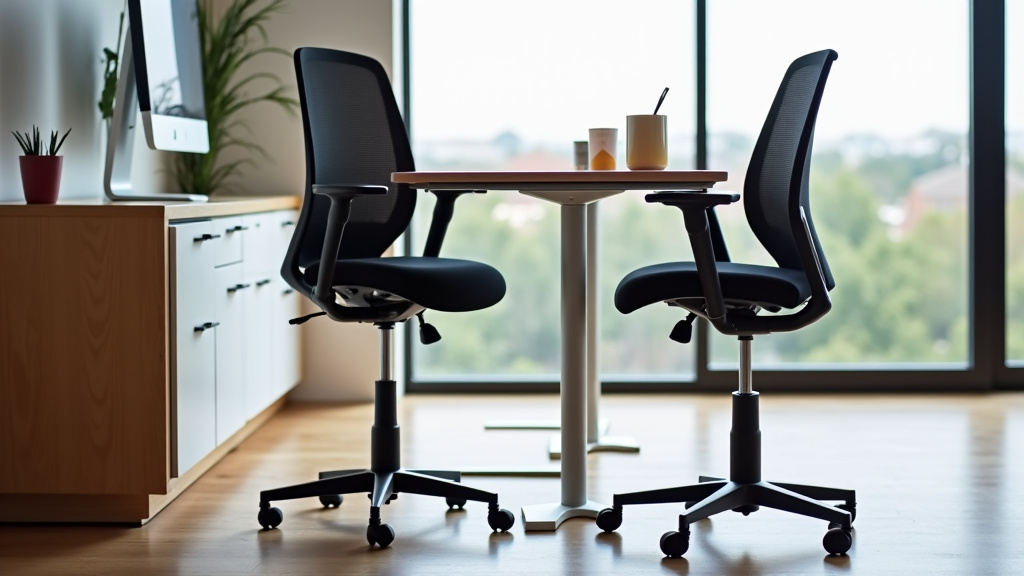
Deciding between a standing desk stool and a traditional office chair really comes down to your personal workflow and health goals. We’ve seen that while chairs offer sustained comfort, stools excel in promoting movement and core engagement. The best approach for most people is to create a dynamic workspace, blending the benefits of standing, perching on a stool, and sitting in a chair. Listen to your body and adjust throughout the day. Your long-term well-being will thank you for making conscious choices about how you sit and stand.
Frequently Asked Questions
Are standing desk stools safe for your back?
Yes, for many people, standing desk stools can be beneficial for back health. They encourage active sitting and help strengthen your core muscles. However, if you have pre-existing severe back conditions, consult with a healthcare professional before making a switch, as the lack of a backrest might not be suitable for everyone.
How long should you use a standing desk stool each day?
You should ease into using a standing desk stool. Start with short periods, perhaps 15-30 minutes at a time, and gradually increase as your body adapts. We found that alternating between standing, using the stool, and a traditional chair throughout the day is the most effective strategy for comfort and health.
Can a standing desk stool replace an ergonomic office chair entirely?
For most people, a standing desk stool cannot fully replace an ergonomic office chair. Chairs offer comprehensive support, including lumbar and armrests, which are crucial for long, focused work sessions. A stool is best used as part of a varied sitting and standing routine, not as your sole seating solution.
What features should I look for in a good standing desk stool?
Look for adjustability in height to match your standing desk. Wobble or pivot features are great for encouraging movement. A comfortable, durable seat cushion is also important. Some stools offer a small amount of back support, which can be a good compromise.
Do standing desk stools help with circulation?
Yes, standing desk stools can significantly help with circulation. By encouraging subtle movement, shifting your weight, and preventing prolonged static posture, they promote better blood flow throughout your body. This can reduce fatigue and the “pins and needles” sensation often associated with sitting too long.