Why Does My Office Chair Feel Too Firm?
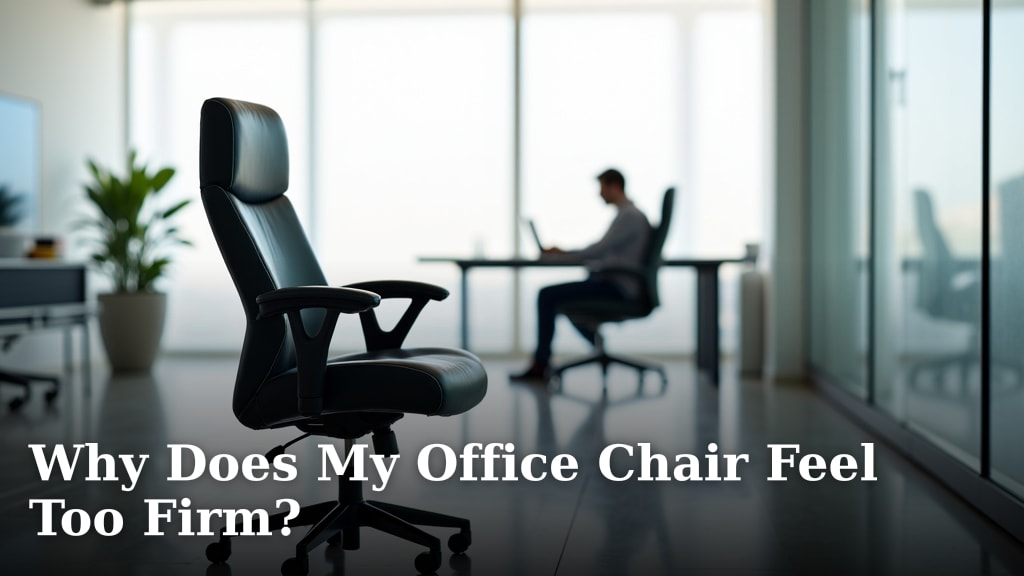
Your office chair feels too firm because of several common reasons. We found that a primary cause is often the chair’s design or materials, which might not suit your body type or support needs. Sometimes, it’s also about how you’re using the chair, not just the chair itself.
You might be wondering if it’s just you, but many people experience this discomfort. We found that new chairs often start firm and soften over time. Your posture and even the temperature of your office can also play a role in how firm your chair feels.
TL;DR
- Chair design and materials are key factors.
- New chairs often need a break-in period.
- Your posture can impact perceived firmness.
- Office temperature might affect material feel.
Let’s walk through why your office chair might feel too firm and what you can do about it. We’ll help you understand the root causes and find solutions for better comfort.
Understanding Why Your Office Chair Feels So Uncomfortable
You’ve settled into your office chair, ready for a productive day, but a nagging discomfort starts to creep in. That “too firm” feeling can really throw off your focus. We found that this sensation often stems from a few key areas: the chair itself, how you’re using it, or even your environment.
Let’s dive into the specifics. You’ll likely discover that one or more of these points hit home. Understanding the problem is the first step toward finding a comfy solution.
The Chair Itself: Design and Material Matters
Not all chairs are created equal. You might think a firm chair means better support, but there’s a delicate balance. Too firm, and it can feel like sitting on a plank. Too soft, and you might sink in and lose proper alignment.
We found that the materials used and the overall design play a huge role in how your chair feels. Let’s break down some common culprits.
Material Composition: What’s Inside Your Cushion?
Ever wonder what makes up that seat cushion? We did some digging and found that the core material is a major factor. Most office chairs use foam, but not all foam is the same.
- High-Density Foam: This type of foam is designed to be very supportive and durable. It resists compression well. While this sounds good, it can feel quite firm, especially when new.
- Memory Foam: Often softer initially, memory foam conforms to your body. However, some types can still feel dense and firm, particularly in cooler temperatures.
- Gel Layers: Some chairs incorporate gel for cooling and pressure distribution. If the gel layer is thin or the underlying foam is very firm, you might not feel much relief.
- Mesh: While not a cushion material, mesh chairs offer a different kind of support. They can feel firm because they lack the plushness of foam, but they often provide excellent breathability.
The quality and density of these materials directly impact the initial feel and how they hold up over time. A chair made with cheaper, high-density foam might never soften up much.
Chair Design: Is It Built for You?
Chair design isn’t just about aesthetics; it’s about ergonomics. We found that a chair might feel firm simply because its shape or dimensions aren’t a good match for your body.
- Seat Pan Shape: Some seat pans are very flat, which can put pressure on your sit bones. Others might have contours that don’t align with your body shape.
- Lumbar Support: While crucial, if the lumbar support pushes too aggressively into your lower back, it can make the whole chair feel unyielding. To ensure proper spinal alignment and prevent discomfort, consider looking into the best desk chair with lumbar support.
- Overall Sizing: If you’re a smaller person in a very large, robust chair, it might feel overwhelmingly firm. Conversely, a larger person in a smaller chair might feel the frame through the minimal padding.
Think of it like trying on shoes. A pair might be well-made, but if they don’t fit your foot shape, they’ll never be comfortable.
The Break-In Period: New Chair Nerves
Did you just get a new chair? You might be surprised to learn that many brand-new office chairs, especially quality ones, feel quite firm at first. It’s not just you!
We found that materials like high-density foam and new upholstery need time to “break in.” This is similar to new shoes or a new mattress.
This break-in period allows the materials to soften and adapt slightly to your body’s contours. It might take a few days, a few weeks, or even a month of regular use. So, before you declare war on your new chair, give it some time.
Your Posture and Usage Habits
Sometimes, the chair isn’t entirely to blame. We found that how you sit and how long you sit can greatly influence whether your chair feels firm or just right.
Are you slouching? Perching on the edge? These habits can make even the most comfortable chair feel like a block of wood.
Sitting Posture: The Foundation of Comfort
Good posture isn’t just for looking sharp; it’s vital for comfort. If you’re not sitting correctly, you might be creating pressure points that make your chair feel firmer than it is.
Many experts emphasize that your body should be properly aligned. Your feet should be flat on the floor (or a footrest), your knees at about a 90-degree angle, and your back supported by the chair’s lumbar support (Mayo Clinic). If you’re slumped, you’re not distributing your weight evenly, and certain areas of the seat will feel the brunt of it.
Try to adjust your chair to fit your body, rather than forcing your body to fit the chair.
Duration of Sitting: The Long Haul Effect
How long do you sit without a break? We found that even on a perfectly comfortable chair, sitting for hours on end can lead to discomfort. Your body needs to move.
Prolonged sitting compresses your soft tissues and restricts blood flow. This can make the chair feel harder over time, simply because your body is getting stiff and tired. Many health organizations recommend taking short breaks every 30-60 minutes to stand, stretch, or walk around for a few minutes (CDC).
Think of it as giving your body, and your chair, a little reset button.
Environmental Factors: The Unseen Influencers
Did you know your office environment can also play a role? It’s not just about the chair or your posture; external factors can subtly change how you perceive firmness.
Temperature’s Touch: Cold vs. Warm
This might sound strange, but we found that the temperature of your office can affect how firm your chair feels. Materials like memory foam, in particular, are sensitive to temperature.
In a colder room, memory foam can become noticeably stiffer and less pliable. As it warms up from your body heat, it softens and conforms better. So, if your office is on the chilly side, your chair might feel extra firm at the start of your day.
This effect is less pronounced with traditional high-density foam, but still worth considering. A warmer office might just make your chair feel a little more inviting.
Humidity Levels: A Subtle Factor
While less common, extreme humidity can sometimes subtly affect certain upholstery materials, making them feel a bit stiffer or less pliable. It’s usually a minor factor compared to temperature, but it’s part of the complete picture.
Addressing the Problem: Your Checklist for Comfort
So, what can you do about it? Here’s a quick checklist to help you tackle that “too firm” feeling. Don’t worry, you don’t need to buy a brand-new chair right away.
| Problem Area | Potential Solution | Notes |
|---|---|---|
| New Chair Firmness | Allow for a break-in period | Use regularly for a few weeks to let materials soften. |
| Incorrect Posture | Adjust chair and sit ergonomically | Feet flat, knees at 90°, back supported. Use a footrest if needed. |
| Material Discomfort | Add a seat cushion or pad | Memory foam, gel, or a softer foam pad can add comfort. |
| Prolonged Sitting | Take frequent breaks | Stand, stretch, or walk for 5 minutes every hour. |
| Chair Sizing Mismatch | Re-evaluate chair fit for your body | Consider if chair dimensions suit your height/build. |
| Cold Office Environment | Warm up the office or use a warming pad | Helps certain foams become more pliable. |
Quick Fixes You Can Try Today
You don’t always need to spend a lot to make a difference. We found that some simple adjustments can provide immediate relief.
Here’s a quick list of things you can try:
- Add a Seat Cushion: A memory foam or gel cushion can add a layer of softness and better pressure distribution.
- Adjust Your Chair Settings: Play with height, tilt, and lumbar support. Even small changes can make a big difference in how weight is distributed.
- Check Your Foot Placement: Make sure your feet are flat on the floor or a footrest. Dangling feet can put extra pressure on your thighs and seat.
- Take More Movement Breaks: Set a timer if you need to. Get up, stretch, and move your body regularly throughout the day.
- Evaluate Your Desk Height: Sometimes, an incorrect desk height forces you to sit awkwardly, leading to perceived chair firmness.
Remember, your comfort is important. Don’t just grin and bear it. Small changes can lead to much greater comfort and productivity.
Conclusion
You’ve discovered that a firm office chair isn’t just one thing. It’s often a mix of the chair’s design, its materials, your sitting habits, and even your office environment. We’ve shown you that everything from high-density foam to a chilly room can affect how your chair feels.
Don’t just endure discomfort. By understanding these factors, you’re now equipped to make targeted adjustments. Start with the quick fixes we outlined, like adding a cushion or taking more breaks. Your comfort and productivity will thank you for it.
Frequently Asked Questions
How long does it take for a new office chair to break in?
Most new office chairs, especially those with high-density foam, need a break-in period. This can range from a few days to several weeks, or even a month of regular use. Keep using it consistently to allow the materials to soften and conform to your body.
Can my body weight affect how firm my office chair feels?
Yes, your body weight can absolutely influence perceived firmness. A heavier person might compress the foam more, potentially feeling the base of the chair sooner. Conversely, a lighter person might not activate the foam enough, making it feel excessively firm.
Is a very firm office chair always bad for my back?
Not necessarily. A truly supportive chair needs some firmness to maintain proper alignment and prevent sinking. However, “too firm” means it lacks adequate cushioning or pressure distribution, which can create painful pressure points and discomfort over time.
Will adding a seat cushion make my firm chair feel softer?
Yes, adding a quality seat cushion is one of the most effective solutions. Look for cushions made of memory foam, gel, or a combination. They add an extra layer of padding and can help distribute your weight more evenly, making the chair feel much softer.
How often should I get up from my firm office chair?
We found that regular movement is crucial for comfort, even in a comfortable chair. Aim to take a short break, about 5 minutes, every 30 to 60 minutes. Stand up, stretch, or walk around to relieve pressure and improve circulation.