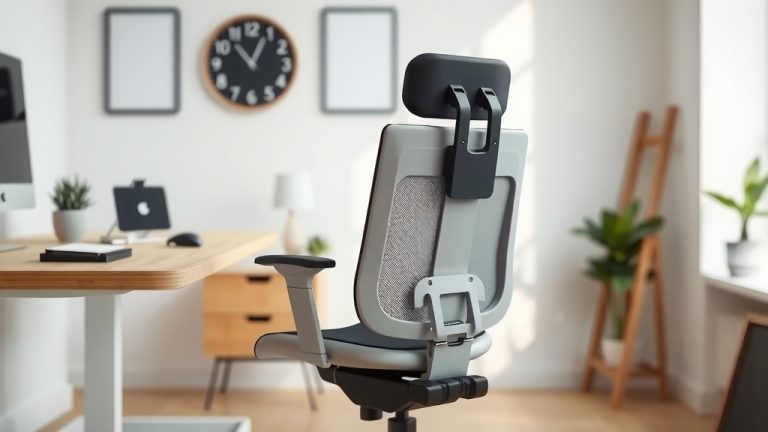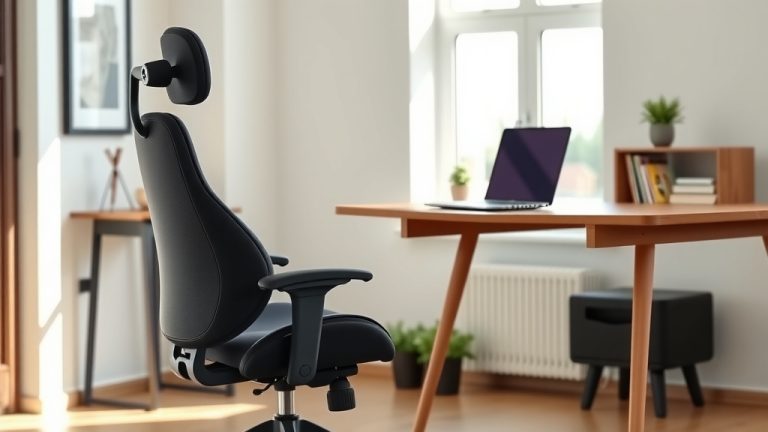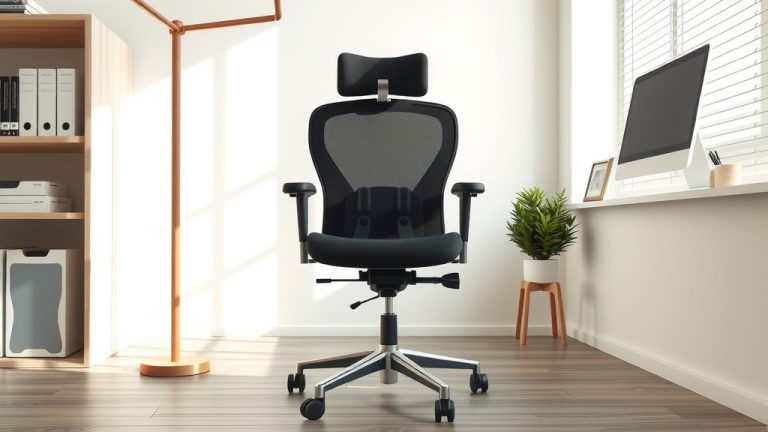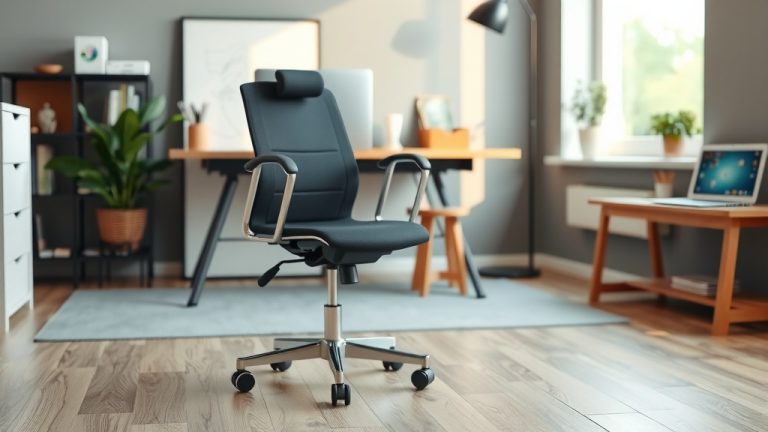
What Is an Ergonomic Office Chair?

An ergonomic office chair is a type of seating specifically designed to provide optimal support and comfort while you work. These chairs are built to support your body’s natural posture, reducing strain and promoting better health during long sitting periods.
You’ll often find these chairs in home offices and workplaces where people spend hours at their desks. They typically feature multiple adjustments, letting you customize the fit to your unique body. Our research shows that many people experience less back pain and discomfort after switching to an ergonomic chair.
TL;DR: Here’s the gist of ergonomic chairs
- Ergonomic chairs support your natural posture.
- They reduce strain and discomfort when sitting.
- You can adjust them to fit your body perfectly.
- Many users report better comfort and health.
Below, we break down everything you need to know about what makes an office chair ergonomic, and why it might be the right choice for your workspace.
Understanding Ergonomic Chair Design
An ergonomic office chair is more than just a fancy seat; it’s a tool designed to support your body’s specific needs while you work. We found that the core idea behind these chairs is to allow your body to maintain a natural, healthy posture, even when you’re sitting for extended periods.
Think of it like a good shoe. A well-designed shoe supports your foot’s natural arch, reducing strain. An ergonomic chair does the same for your spine, hips, and shoulders. It molds to you, rather than forcing you to adapt to it.
Key Components of an Ergonomic Chair
What makes a chair ergonomic? It’s all about the features. You’ll notice many different parts that move and adjust. These aren’t just for show; they serve important functions in keeping you comfortable and healthy.
We found that understanding these components helps you choose the right chair. It also helps you adjust it properly once you get it.
Adjustable Seat Height
This is perhaps the most basic but critical adjustment. Your feet should be flat on the floor, or on a footrest, with your knees forming roughly a 90-degree angle. This ensures proper circulation and reduces pressure on your lower back.
If your chair is too high, your feet dangle, creating pressure points. Too low, and your knees point too high, straining your spine. We found many people overlook this simple adjustment, but it’s foundational to good posture.
Backrest Lumbar Support
The lumbar region is your lower back. An ergonomic chair provides adjustable support here. This can be a separate cushion or a curved design within the backrest itself.
Many experts say this support is vital for maintaining the natural inward curve of your lower spine (Cleveland Clinic). Without it, your spine can round, leading to slumping and pain.
Adjustable Seat Depth
Seat depth refers to how far forward or back the seat pan moves. You want about two to four fingers’ width between the edge of the seat and the back of your knees. This prevents the edge of the seat from cutting off circulation to your legs.
It also ensures your back is fully supported against the backrest. Research suggests improper seat depth is a common cause of leg numbness and discomfort.
Adjustable Armrests
Armrests on an ergonomic chair often go beyond just moving up and down. They can pivot, slide forward and back, and sometimes even move sideways. Your forearms should rest lightly on them, keeping your elbows bent at about 90 degrees.
This takes pressure off your shoulders and neck. If armrests are too high or too low, they can contribute to shoulder tension.
The Benefits of Using an Ergonomic Chair
Why should you care about all these adjustments? The benefits extend far beyond just feeling a little more comfortable. We found that a good ergonomic chair can significantly impact your physical well-being and even your productivity.
Think about how many hours you spend sitting. Investing in a chair designed for your body is an investment in your health.
Reduced Pain and Discomfort
This is the most talked-about advantage. Ergonomic chairs are designed to prevent the aches and pains that often come with prolonged sitting. By supporting your natural posture, they distribute your weight more evenly.
Many users report a significant decrease in back pain, neck stiffness, and shoulder soreness. It’s like taking a load off your body’s pressure points.
Improved Posture
A standard office chair might let you slouch or hunch. An ergonomic chair guides you into better posture. The adjustable features encourage you to sit upright and align your spine correctly.
Over time, this can help retrain your body to maintain better posture even when you’re not in the chair. Good posture isn’t just about looking confident; it’s about minimizing strain on your muscles and joints (Mayo Clinic).
Increased Blood Circulation
When you’re sitting in an ill-fitting chair, you might be unknowingly restricting blood flow. Pressure points under your thighs or on your lower back can impede circulation. This can lead to numbness, tingling, or fatigue.
Ergonomic chairs are designed to prevent these pressure points. They keep your body in a position that promotes healthy blood flow, helping you feel more alert and less tired.
Ergonomic vs. Standard Office Chairs
You might be wondering, “Isn’t any office chair ‘ergonomic’?” Not quite. While many chairs claim to be comfortable, true ergonomic chairs meet specific design standards. Let’s compare them.
Key Differences at a Glance
Here’s a quick overview of how ergonomic chairs stand out:
| Feature | Standard Office Chair | Ergonomic Office Chair |
|---|---|---|
| Adjustments | Limited (e.g., seat height only) | Multiple and precise (height, depth, recline, armrests, lumbar) |
| Lumbar Support | Minimal or none | Adjustable and targeted to your lower back curve |
| Comfort Level | General, may decrease over time | Customized, sustained comfort for long periods |
| Health Focus | Secondary or absent | Primary design goal: support posture, reduce strain |
| Price Point | Typically lower | Generally higher due to features and design |
As you can see, the biggest difference lies in adjustability and the intentional focus on health and body support.

Is an Ergonomic Chair Right for You?
If you spend many hours each day sitting at a desk, the answer is most likely yes. While the upfront cost can be higher, we found that many users consider it a worthwhile investment in their long-term health and productivity.
Consider your workday. Are you often shifting in your seat, feeling restless, or experiencing a dull ache by the afternoon? These are common signs that your current chair isn’t serving you well. An ergonomic chair can transform your work experience.
Checklist: Signs You Might Need an Upgrade
- You feel stiffness or pain in your back or neck after sitting.
- Your feet don’t rest flat on the floor, or your knees are too high.
- You constantly fidget or change positions to get comfortable.
- Your current chair lacks adjustable features.
- You experience numbness or tingling in your legs or arms.
If you checked off even one of these, it might be time to explore your ergonomic chair options. Your body will thank you for it!
Conclusion
Investing in an ergonomic office chair isn’t just about comfort; it’s about safeguarding your health and boosting your productivity. We’ve shown you how these chairs support your body’s natural curves and provide essential adjustability. You can proactively prevent pain and improve your posture. Many users find it transforms their work day.
Don’t let discomfort dictate your work experience. Take a moment to assess your current setup. Consider upgrading to an ergonomic chair. Your back, neck, and overall well-being will offer a sincere thank you.
Frequently Asked Questions
How do I know if my current chair is ergonomic?
Check for multiple adjustment options. A truly ergonomic chair allows you to adjust seat height, backrest height and tilt, lumbar support, and armrests. If your chair only offers basic height adjustment, it likely isn’t ergonomic.
Are all expensive office chairs ergonomic?
Not necessarily. While many high-end chairs are ergonomic, price isn’t the sole indicator. Focus on the adjustable features and design principles. Research individual models to ensure they meet ergonomic standards, regardless of cost.
How long should an ergonomic chair last?
The lifespan varies based on quality, materials, and usage. A well-built ergonomic chair can last anywhere from 5 to 15 years or even longer. Look for chairs with good warranties. This often indicates manufacturer confidence in durability.
Can an ergonomic chair fix existing back pain?
An ergonomic chair can significantly alleviate and prevent pain. However, it’s not a magic cure. It supports proper posture, which can reduce strain. For severe or persistent pain, consult a healthcare professional in addition to upgrading your chair.
What’s the most important feature to look for in an ergonomic chair?
While all features are important, adjustable lumbar support is often considered critical. It helps maintain the natural curve of your lower spine. This prevents slouching and reduces the risk of lower back pain.