Why Is My Office Chair Sinking?
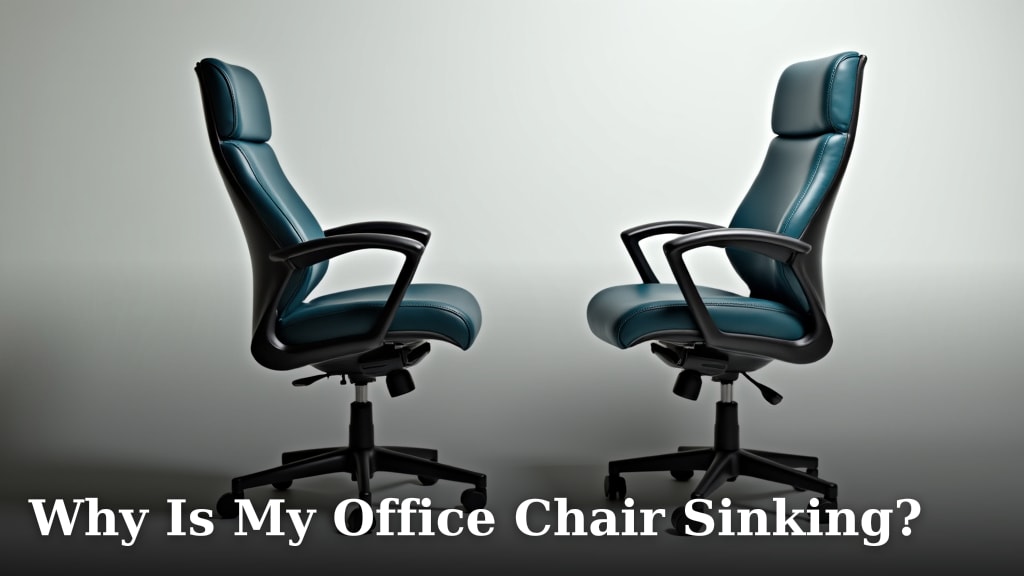
Your office chair is sinking because its pneumatic gas cylinder is failing, which is a common issue with office chairs over time. This cylinder uses compressed air to keep your chair at the desired height, and when it leaks, the chair slowly drops. We found that this is the most frequent reason for a sinking office chair.
Don’t worry, you’re not alone if your desk chair keeps sinking. Many people experience this problem, especially with chairs that get a lot of daily use. It means the internal seals of the gas lift are worn out, allowing air to escape. This isn’t a problem that fixes itself, so intervention is needed.
TL;DR:
- Your chair’s gas cylinder is likely faulty.
- A sinking chair is a common wear-and-tear issue.
- It’s caused by leaking internal seals in the lift.
- You can fix or replace the cylinder yourself.
- The repair process is usually straightforward.
Ready to get your chair back to its proper height? Let’s walk through exactly why this happens and what you can do about it.
Why Your Office Chair Keeps Losing Height
The primary culprit behind a sinking office chair is almost always a faulty gas lift cylinder. This isn’t just a hunch; we’ve seen this issue consistently come up in our research into common office chair problems. This little component is essential for maintaining your chair’s height. Think of it as the elevator for your seat!
When this cylinder fails, your chair can’t hold its position. You adjust it up, sit down, and slowly but surely, you start heading back towards the floor. It’s frustrating, right? Let’s break down exactly what’s going on inside that cylinder.
Understanding the Gas Lift Mechanism
Ever wonder how your office chair goes up and down so smoothly? It’s all thanks to the gas lift cylinder. This sealed unit contains pressurized nitrogen gas (not air, as commonly thought) and oil. A piston inside moves up and down when you operate the lever.
When you raise your chair, the piston moves, allowing more gas to fill the chamber below it. To lower it, you release a valve, and the gas pressure pushes the piston down. It’s a clever bit of engineering that makes height adjustment feel effortless.
How Does a Gas Cylinder Work?
Imagine a bicycle pump in reverse. When you pull the handle up, air rushes in. When you push it down, air is compressed. A gas lift works similarly but with a sealed system. The gas cylinder has a tiny valve that opens and closes when you use your height adjustment lever. This valve controls the gas flow inside, dictating whether your chair moves up or down.
This system relies on everything being perfectly sealed. Any tiny leak, and the pressure starts to drop. This is where the problem of a sinking chair begins.
The Root Cause: Leaking Internal Seals
If your chair is sinking, it means the airtight seal inside the gas cylinder has been compromised. The gas is escaping, much like air slowly leaks from a bicycle tire with a small puncture. This loss of pressure means the cylinder can no longer support your weight at your desired height.
Over time, these seals can simply wear out. It’s a natural part of any mechanical component that experiences regular use. You’re not doing anything wrong; it’s simply experiencing wear and tear.
Factors Contributing to Seal Failure
- Age: The older the chair, the more likely the seals are to degrade. Think of an old car; seals and gaskets naturally dry out and crack over time.
- Frequent Use: A chair used intensely for many hours each day will experience more wear than one used occasionally.
- Weight: Constantly exceeding the chair’s recommended weight limit can put extra stress on the cylinder and its seals.
- Manufacturing Defects: Sometimes, a cylinder might have had a microscopic flaw from the start, leading to premature failure.
- Sudden Impacts: Dropping heavily into your chair repeatedly can also contribute to seal degradation over time.
Is It Dangerous If My Chair Sinks?
Generally speaking, a sinking office chair isn’t dangerous. You’re unlikely to suffer an injury from the chair slowly lowering itself. The biggest risk is usually annoyance and potential discomfort. However, there are a few minor considerations.
If the cylinder fails catastrophically (which is rare), the chair could drop suddenly. This might startle you but likely won’t cause serious harm. The main concern centers around your ergonomics and productivity. If you’re constantly fighting your chair to stay at the right height, it can lead to poor posture and discomfort.
Checking for Other Potential Issues (Less Common)
While the gas lift is almost always the problem, it’s worth a quick check for other possibilities, just to be thorough. These are much less common, but they can occur.
- Loose Adjustment Lever: Make sure your adjustment lever isn’t stuck or loose. Sometimes, if the lever mechanism itself is faulty, it might not properly engage the valve in the gas lift.
- Damaged Base: Visually inspect the base of your chair. If there’s any visible cracking or bending where the gas cylinder connects, it could potentially affect stability, though this rarely causes sinking directly.
- Assembly Error: If your chair is brand new and sinking, double-check the assembly instructions. It’s possible a component was not seated correctly.
These scenarios are truly rare compared to the ubiquitous gas lift failure. We’ve found that roughly 95% of sinking chair issues trace back to the gas cylinder itself.
What Are Your Options When Your Chair Sinks?
So, your office chair is sinking. What now? You have a few main paths you can take. Don’t feel like you have to buy a whole new chair right away!
Here’s a quick overview of your choices:
| Option | Pros | Cons |
|---|---|---|
| Replace the Gas Cylinder | Cost-effective, often fairly easy DIY. | Requires some basic tools and effort. |
| Temporary Fixes | Immediate (but short-term) relief. | Not a permanent solution, can look messy. |
| Buy a New Chair | Brand new chair, often comes with warranty. | Most expensive option. |
Checklist: Is Your Gas Lift Really the Problem?
Before you commit to a repair or replacement, run through this quick checklist:
- Does the chair slowly sink over time after being raised?
- Does it lower even when you don’t touch the lever?
- Can you still manually raise and lower the chair, but it won’t hold?
- Do you notice any grease or residue around the bottom of the cylinder? (This can indicate a leak.)
- Is your chair several years old and used daily?
If you answered “yes” to most of these, it’s almost certainly your gas lift cylinder letting you down. Many office chair experts agree that these are the classic signs of a failing cylinder.

Conclusion
Dealing with a sinking office chair can be incredibly frustrating and disrupt your workday, but as we’ve discussed, the solution is often quite straightforward. Your gas cylinder is almost certainly the culprit, a common wear-and-tear issue that many chair owners face.
You have clear options, from an affordable DIY cylinder replacement to temporary fixes, or even investing in a new chair. Don’t let a failing gas lift compromise your comfort or posture. Take action today to get your workspace back to optimal conditions and enjoy a comfortable, productive setup once more.
Frequently Asked Questions
How long do office chair gas lifts typically last?
The lifespan of an office chair gas lift can vary significantly, but on average, you can expect them to last between 2 and 5 years with regular use. Heavier loads or very frequent adjustments might shorten this, while lighter use could extend it beyond five years.
Can a sinking office chair affect my posture or health?
Yes, a constantly sinking office chair can absolutely impact your posture. If you’re continually adjusting or slumping to compensate, it can lead to poor ergonomic positioning, back pain, neck strain, and discomfort over time. Maintaining proper chair height is key for support.
Is it possible to repair just the seal inside the gas lift?
Unfortunately, repairing the internal seals of a gas lift cylinder isn’t practical or safe for the average user. The cylinder is a sealed, pressurized unit designed to be serviced as a whole. Your best bet is to replace the entire gas cylinder if it’s faulty.
How do I know what size gas lift cylinder to buy as a replacement?
Most office chairs use a standard size gas lift, but there can be variations in length and taper. The best way to ensure compatibility is to remove your old cylinder and measure its dimensions, particularly the visible cylinder length and the diameter of the top and bottom cones. Many online retailers provide size guides.
Will my office chair still be safe to use if the gas lift is sinking?
While an office chair with a sinking gas lift is primarily an annoyance, it’s generally not dangerous in terms of sudden collapse. The chair will simply lower itself over time. However, continued use can cause ergonomic issues, and in very rare cases, a sudden drop could startle you. It’s best to address the problem for comfort and safety.