What Is the Difference Between Executive and Ergonomic Chair?
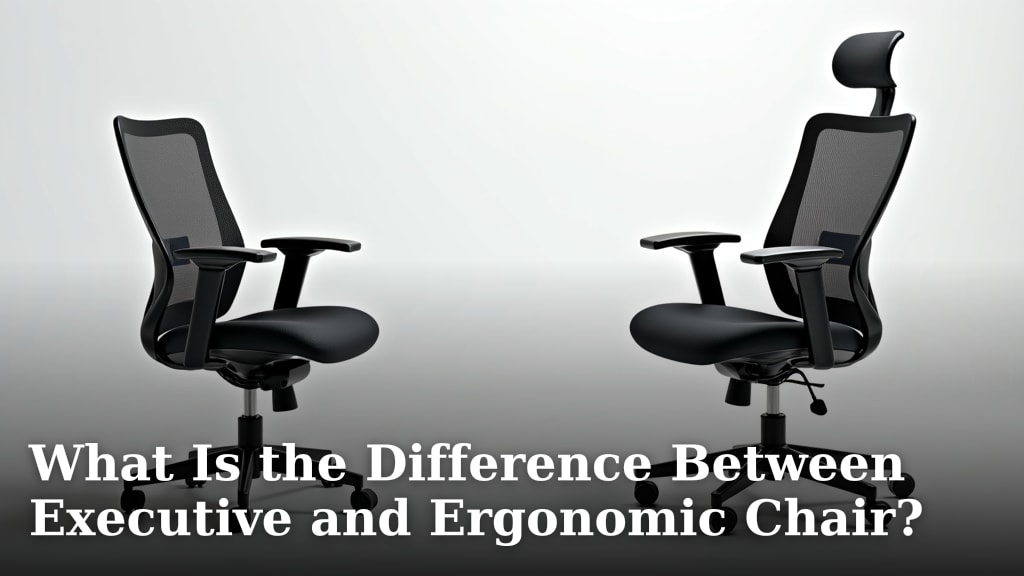
The main difference between an executive and an ergonomic chair is their primary purpose: executive chairs prioritize luxury and status, while ergonomic chairs focus on adjustability and health. We found that executive chairs often feature large, opulent designs, but ergonomic chairs offer extensive adjustments to support your body better.
You might wonder which chair is right for your office space. We found that executive chairs often look grand, making a statement in a traditional setting. On the other hand, ergonomic chairs are engineered for comfort and productivity, helping you maintain good posture throughout your workday.
- Executive chairs are about prestige and appearance.
- Ergonomic chairs are designed for comfort and health.
- Executive chairs have fewer adjustments.
- Ergonomic chairs offer many customizable features.
- Your choice depends on your priorities: look versus long-term comfort.
Ready to figure out which chair best suits your needs? Let’s break down the key features and benefits of both executive and ergonomic chairs to help you make an informed decision.
Executive vs. Ergonomic Chairs: Understanding Their Core Differences
You’re looking for a new office chair, and you’ve heard these terms thrown around. It can be a little confusing, right? Let’s clear up the main distinctions between an executive chair and an ergonomic chair so you can make the best choice for your workspace.
Simply put, an executive chair is often about making a statement, while an ergonomic chair is about supporting your body. We’ll dive into what that means for your daily comfort and productivity.
What Defines an Executive Chair?
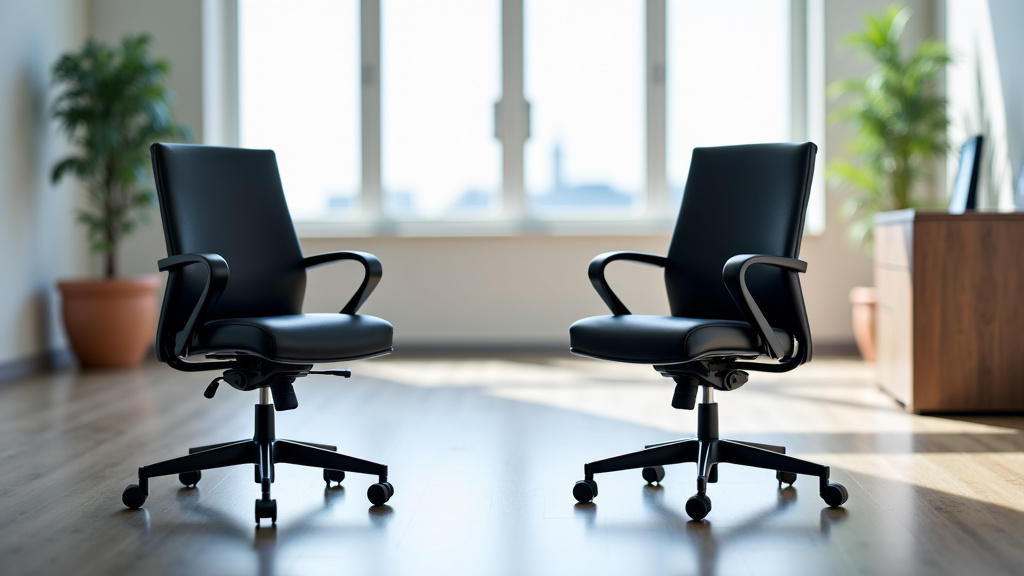
Think “corner office” or a classic library setting. Executive chairs are designed with a particular aesthetic in mind. They often exude a sense of authority and prestige. We found that these chairs prioritize a luxurious look and feel above all else.
Style and Materials
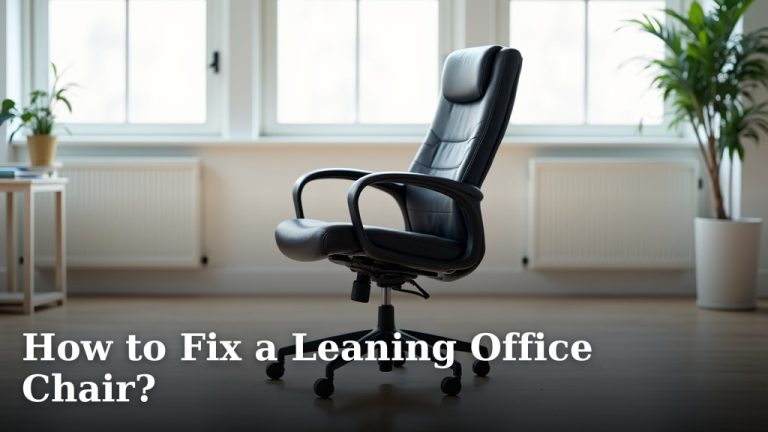
When you see an executive chair, you’ll immediately notice its generous proportions. They often feature a high back, sometimes extending above your head. The materials are typically rich and upscale. We found that genuine leather or high-quality bonded leather are common choices. You might also see plush padding and elegant stitching. The overall design tends to be more traditional, with a focus on visual appeal.
Comfort and Adjustments
While executive chairs are designed to be comfortable, their comfort often comes from soft padding rather than precise anatomical support. They generally offer fewer adjustable features compared to ergonomic chairs. You’ll usually find basic height adjustment and a tilt lock. Some might have a rocking mechanism. However, fine-tuning for your specific body shape isn’t their strong suit. We found that their comfort is more “general plushness” than “customized support.”
What Defines an Ergonomic Chair?
Now, let’s switch gears. When we talk about an ergonomic chair, we’re talking about health and function. These chairs are built to support your body in a way that promotes good posture and reduces strain, especially during long hours of sitting. Ergonomics means designing for efficiency and comfort in the working environment.
Focus on Adjustability
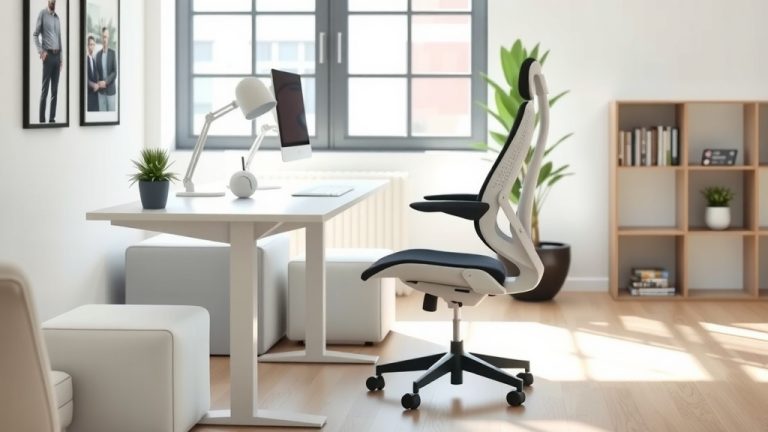
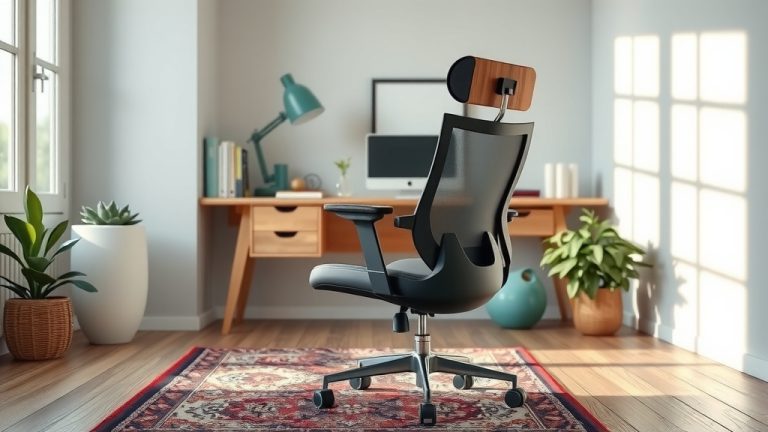
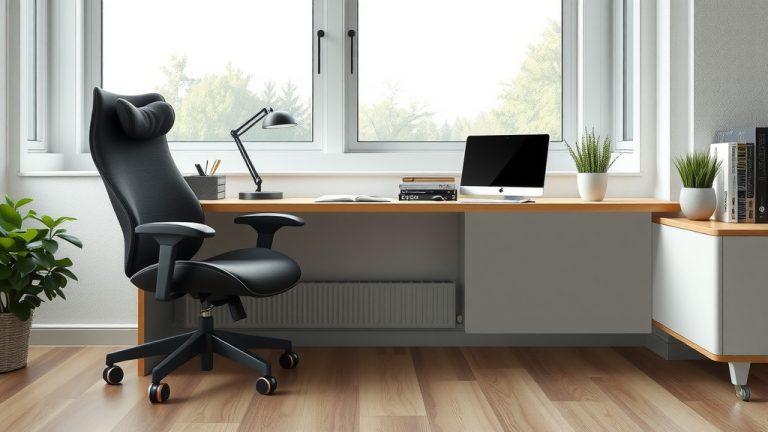
This is where ergonomic chairs really shine. They are packed with adjustments to conform to your unique body. You’ll find features like seat height, seat depth, lumbar support (both height and depth), armrest height and pivot, backrest recline with tension control, and headrest adjustments. We found that the goal is to allow you to customize the chair to fit your body perfectly. This helps you maintain a neutral spine alignment and distribute your weight evenly.
Materials and Design
Ergonomic chairs don’t always look as “fancy” as executive chairs. Their design is driven by function. You’ll often see breathable mesh backs, contoured seats, and durable fabrics. The aesthetics are more modern and often utilitarian. They might not make a grand statement, but they make a grand difference to your back! We found that the materials are chosen for their support, breathability, and durability during prolonged use.
Key Differences at a Glance
To help you visualize the core distinctions, let’s put them side-by-side. Think of it like comparing a classic luxury car to a high-performance sports car. Both are great, but for different reasons.
| Feature | Executive Chair | Ergonomic Chair |
|---|---|---|
| Primary Goal | Luxury, status, aesthetic appeal | Health, posture, long-term comfort, productivity |
| Design Aesthetic | Traditional, opulent, grand, often bulky | Modern, functional, streamlined, often technical |
| Materials | Leather (real or bonded), plush padding | Mesh, fabric, durable plastics, foam, often breathable |
| Adjustability | Limited (height, tilt lock) | Extensive (height, depth, lumbar, armrests, recline) |
| Back Support | General padding, high back | Contoured, adjustable lumbar support, often breathable |
| Price Range | Can be expensive due to materials/brand | Varies widely, high-end models can be very expensive due to engineering |
Choosing the Right Chair for Your Needs
So, how do you decide? It really comes down to what you value most in your workspace. Are you sitting for long hours every day? Is the look of your office paramount? Let’s break it down further.
When an Executive Chair Might Be Right for You
If you’re looking to create a specific impression in your office, an executive chair is a strong contender. Perhaps you have clients visiting frequently, or you simply enjoy the classic, luxurious feel. We found that these chairs are ideal for shorter periods of sitting or for making a statement. They can be great for a home office where aesthetics are a top priority, and you’re not logging 8+ hours a day at the desk.
- You want a chair that looks impressive and high-status.
- Your office decor is traditional or opulent.
- You sit for shorter periods throughout the day.
- A plush, soft feel is more important than precise support.
- You prioritize design over extensive adjustability.
When an Ergonomic Chair is Your Best Bet
If you spend a significant portion of your day in your chair, an ergonomic model is almost always the better choice. We found that prolonged sitting without proper support can lead to back pain, neck strain, and other discomforts. An ergonomic chair is an investment in your long-term health and productivity. Many experts, including those at the Occupational Safety and Health Administration (OSHA), recommend ergonomic setups to reduce workplace injuries. This type of chair helps prevent discomfort before it starts.
- You sit for long hours (4+ hours daily).
- You experience back, neck, or shoulder pain.
- Your health and posture are top priorities.
- You need a chair that can adapt to your body’s specific contours.
- You value function and personalized support over a grand aesthetic.
The Importance of Good Posture (No Matter Your Chair)
Even with the best ergonomic chair, your posture still matters. No chair can do all the work for you. We found that taking regular breaks, stretching, and being mindful of how you sit are crucial. A good chair supports good habits, it doesn’t replace them (Mayo Clinic). When you sit, aim for your feet to be flat on the floor, your knees at a 90-degree angle, and your back supported against the chair’s backrest. Your computer screen should be at eye level.
Consider Your Investment
Think about your chair as an investment. For an executive chair, you’re investing in a look and feel. For an ergonomic chair, you’re investing in your physical well-being and productivity. Both can be expensive, but the return on investment differs significantly depending on your needs. A well-chosen ergonomic chair can reduce sick days due to discomfort and keep you focused and pain-free, which has its own valuable returns.
Conclusion
Choosing between an executive and an ergonomic chair boils down to your priorities. An executive chair offers a luxurious look and feel, making a statement in your office. It’s great for shorter sitting periods or when aesthetics are key. We found that an ergonomic chair is an investment in your health and productivity.
It provides the adjustable support your body needs for long hours at your desk. Consider how many hours you sit and what you value most. Then, choose the chair that best supports your needs and workspace.
Frequently Asked Questions
Can an executive chair be ergonomic?
While some executive chairs offer basic adjustments, they rarely provide the extensive ergonomic support needed for prolonged sitting. Their primary design focus is on luxury and appearance. True ergonomic chairs prioritize customizable body support.
Which chair is better for back pain?
An ergonomic chair is almost always better for back pain. We found that its adjustable features, like lumbar support and seat depth, help maintain proper spinal alignment. This reduces strain and discomfort during long work sessions.
Are executive chairs always more expensive than ergonomic chairs?
Not necessarily. While high-end executive chairs with premium materials can be costly, top-tier ergonomic chairs, engineered with advanced features and materials, can also be very expensive. The price depends on brand, materials, and available adjustments for both types.
How long should I sit in an executive chair versus an ergonomic chair?
You can comfortably sit in an executive chair for shorter periods, perhaps a few hours at most. For extended sitting, like a full workday, an ergonomic chair is strongly recommended. It’s designed to support your body for 8+ hours without causing discomfort.
Does a chair’s appearance affect productivity?
Indirectly, yes. While an executive chair might create a prestigious office environment, an ergonomic chair directly impacts your physical comfort. We found that comfort reduces distractions and fatigue, allowing you to focus better and be more productive throughout your day.