Is Memory Foam Good for Office Chairs?
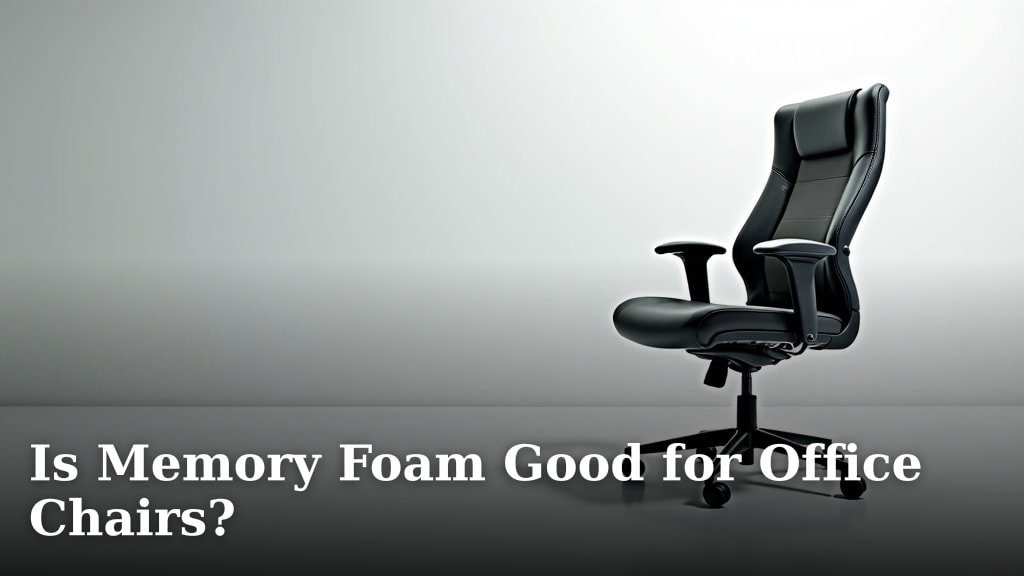
Yes, memory foam is generally good for office chairs because it offers superior comfort and support, contouring to your body for better pressure distribution and helping you maintain proper posture throughout your workday. We found it can make a big difference in your daily comfort.
You spend many hours in your office chair, so its comfort matters a lot for your health and productivity. Memory foam seating can reduce pressure points and help prevent aches and pains that come from sitting too long. It helps keep you comfortable and focused.
- Memory foam offers superior comfort.
- It provides excellent body contouring.
- It helps distribute pressure evenly.
- Memory foam can reduce common aches and pains.
- It supports good posture during long work sessions.
So, is memory foam right for your office chair? Let’s dive deeper into what makes memory foam a smart choice for your workspace and explore its pros and cons in detail.
Understanding Memory Foam in Office Chairs
Memory foam is generally excellent for office chairs because it offers superb comfort and tailored support, conforming to your body to distribute pressure better and help maintain good posture.
You’ve probably heard of memory foam mattresses, right? The same science applies to your office chair. This special material, a type of polyurethane, reacts to your body heat and pressure. It softens, molds to your unique shape, and then slowly returns to its original form when you get up. It’s pretty neat!
This “molding” action means the foam cradles your body. It fills in the gaps between you and the chair. This creates a much more supportive sitting surface than traditional foam, which often feels flat and unyielding after a short time. You get a customized fit every time you sit down.
How Memory Foam Benefits Your Workday
Let’s get down to why memory foam is such a big deal for your office chair. It’s not just about feeling soft. It’s about providing real, tangible benefits that impact your health and productivity.
Superior Pressure Relief
Imagine sitting on a hard surface for hours. What happens? Pressure points develop. Your tailbone, hips, and lower back start to ache. Memory foam actively works against this.
We found that memory foam distributes your weight much more evenly across the seating surface. Instead of all your weight pushing down on a few spots, it spreads out. This reduces those uncomfortable pressure points. It’s like floating rather than perching.
This pressure relief is key to avoiding numbness or “pins and needles” in your legs and glutes. It keeps blood circulation flowing more freely, which is essential when you’re sitting for long periods.
Enhanced Lumbar and Postural Support
Good posture is tough to maintain, especially when you’re focused on work. Your back tends to slouch or hunch. Memory foam can be a real game-changer here.
Because it molds to your body, memory foam naturally supports the natural curve of your spine. It doesn’t force your back into an unnatural position; it encourages your body’s own alignment. This passive support for your lumbar region can prevent common backaches.
When your spine is properly aligned, your muscles don’t have to work as hard to hold you upright. This means less fatigue and fewer aches as the day goes on. You might even find yourself sitting taller without even trying.
Durability and Longevity
You want your office chair to last, right? Memory foam often holds up better than cheaper, conventional foams. It’s designed to return to its original shape over and over again.
This “memory” quality means it’s less likely to sag or develop permanent indentations. We found that good quality memory foam maintains its integrity for longer, giving you consistent support for years. This makes it a smart investment for your workspace.
While a higher initial cost might be a factor, the longevity often makes it more cost-effective in the long run. You won’t be replacing your chair or cushion as frequently.
Potential Downsides to Consider
While memory foam has many positives, it’s not without its quirks. It’s important to understand these before making a decision. No product is perfect, and memory foam is no exception.
Heat Retention
One of the most common complaints about memory foam is its tendency to retain heat. Remember how it reacts to body heat to mold to your shape? That heat can sometimes get trapped.
For some people, especially in warmer climates or offices, this can lead to feeling a bit too warm or sweaty. It’s like being hugged by a warm cloud. While cozy for a bed, it can be less ideal for focused work.
However, manufacturers have been working hard to address this. Many modern memory foams now incorporate cooling gels, open-cell structures, or breathable covers to help dissipate heat. So, if you tend to run hot, look for these cooling features when you’re shopping.
Initial Firmness or “Off-Gassing”
When you first get a new memory foam product, you might notice a slight “new product” smell. This is often called “off-gassing” and is usually harmless. It’s similar to the smell of a new car.
The smell usually dissipates within a few days or a week. It helps to air out the cushion or chair in a well-ventilated area before prolonged use. We found that most people don’t find it to be a long-term issue.
Also, some memory foam can feel a bit firm when you first sit down, especially in a cooler room. It needs a moment or two to warm up from your body heat and soften. Give it a minute, and it will start to conform.
Cost Factor
Generally, chairs with memory foam cushioning tend to be a bit more expensive than those with traditional foam. The specialized material and manufacturing process contribute to a higher price point.
Think of it as an investment in your comfort and long-term health. While it might be a larger upfront cost, the benefits of improved posture and reduced pain can be priceless. Consider it against the cost of doctor visits for back pain!
You can also find memory foam cushions to add to an existing chair if a full replacement isn’t in your budget. This can be a great way to experience the benefits without breaking the bank.
Memory Foam vs. Other Chair Cushion Materials
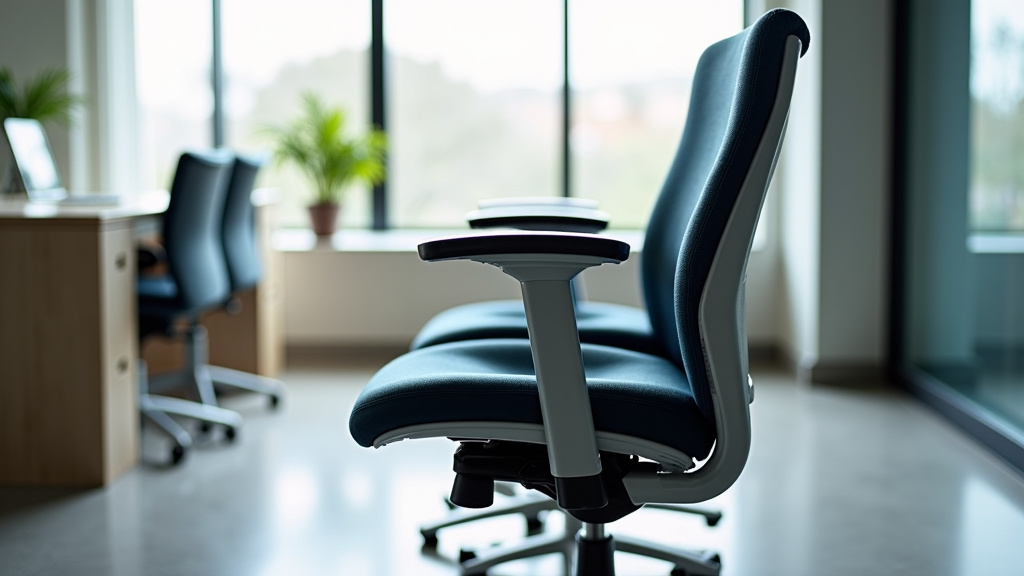
It’s helpful to see how memory foam stacks up against other common materials you’ll find in office chairs. Each has its own pros and cons, and what’s best for one person might not be best for another.
| Feature | Memory Foam | Standard Foam (Polyurethane) | Mesh |
|---|---|---|---|
| Comfort & Support | Excellent contouring, superior pressure relief. Molds to body. | Good initial comfort, but can compress and flatten over time. Less contouring. | Good breathability, flexible support. Can feel firm for some. |
| Breathability | Can retain heat (look for cooling gels/open-cell designs). | Moderate breathability, can get warm. | Excellent airflow, very breathable. |
| Durability | Good to excellent; resistant to permanent indentations. | Fair to good; prone to sagging and losing shape over time. | Good; resilient but mesh can stretch or tear with heavy use. |
| Price Point | Typically higher due to specialized material. | Generally lower, more budget-friendly. | Mid-range to high, depending on quality. |
| Body Interaction | Reacts to body heat and pressure, personalized fit. | Provides static support, uniform resistance. | Adapts to some degree through tension, provides springy feel. |
Choosing the Right Memory Foam Chair for You
So, you’re leaning towards memory foam? Great! But how do you pick the right one? Not all memory foam is created equal. Here’s a quick checklist to guide your decision-making process.
When you’re looking at memory foam office chairs or cushions, keep these points in mind:
- Density: Higher density foam generally means better support and durability. It will feel firmer initially but last longer.
- Cooling Features: If heat is a concern, actively seek out chairs with cooling gel infusions, perforated designs, or breathable fabric covers.
- Thickness: A thicker layer of memory foam usually provides more comfort and deeper contouring. Too thin, and you won’t get the full benefit.
- Ergonomic Adjustments: Even with great cushioning, the chair should still offer good adjustability (armrests, height, recline) to fit your body perfectly.
- User Reviews: Always check what other people are saying. Do they mention comfort? Durability? Any issues with heat?
- Return Policy: If you’re buying online, make sure there’s a good return policy so you can try it out without worry.
You deserve to be comfortable at your desk. Investing in a quality memory foam office chair can truly transform your workday, making those long hours feel a lot less grueling and a lot more productive.
Conclusion
You’ve seen how memory foam can truly transform your office chair experience. We found it offers superior comfort, eases pressure points, and supports better posture throughout your long workdays. While it might have a few minor drawbacks like potential heat retention or a higher initial cost, its benefits often outweigh these concerns, especially with modern designs addressing them.
Investing in a memory foam chair or cushion is an investment in your comfort, health, and productivity. Your body will thank you for it! Don’t let discomfort hinder your focus any longer. Explore the options available and find the perfect memory foam solution for your workspace today.
Frequently Asked Questions
Is a memory foam cushion enough, or do I need a whole chair?
A memory foam cushion can significantly upgrade an existing chair by adding pressure relief and contouring. This is a cost-effective way to experience the benefits. However, a full memory foam chair often integrates the foam more seamlessly with ergonomic adjustability for a complete solution.
How long does memory foam last in an office chair?
High-quality memory foam in an office chair can last for several years, typically 3-7 years or even longer. Its durability depends on density, frequency of use, and overall quality. It resists permanent indentations better than standard foam.
Does memory foam get softer over time with use?
Memory foam does soften slightly as it adapts to your body and room temperature. However, it shouldn’t “break down” and lose its support like traditional foam. If it feels significantly softer and less supportive, it might be reaching the end of its lifespan.
Can memory foam help with specific back pain conditions?
While memory foam isn’t a medical treatment, its ability to contour and distribute pressure can alleviate discomfort for many with back pain. By supporting the natural curve of your spine and reducing pressure points, it helps maintain a more comfortable, aligned posture throughout the day.
How do I clean a memory foam office chair or cushion?
Most memory foam chairs or cushions come with removable, washable covers. For spills directly on the foam, spot clean with a damp cloth and mild soap. Allow it to air dry completely before reassembling. Avoid soaking the foam, as it can be difficult to dry thoroughly.